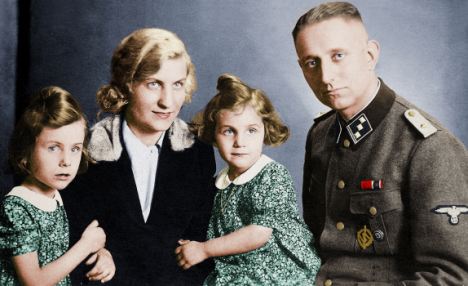
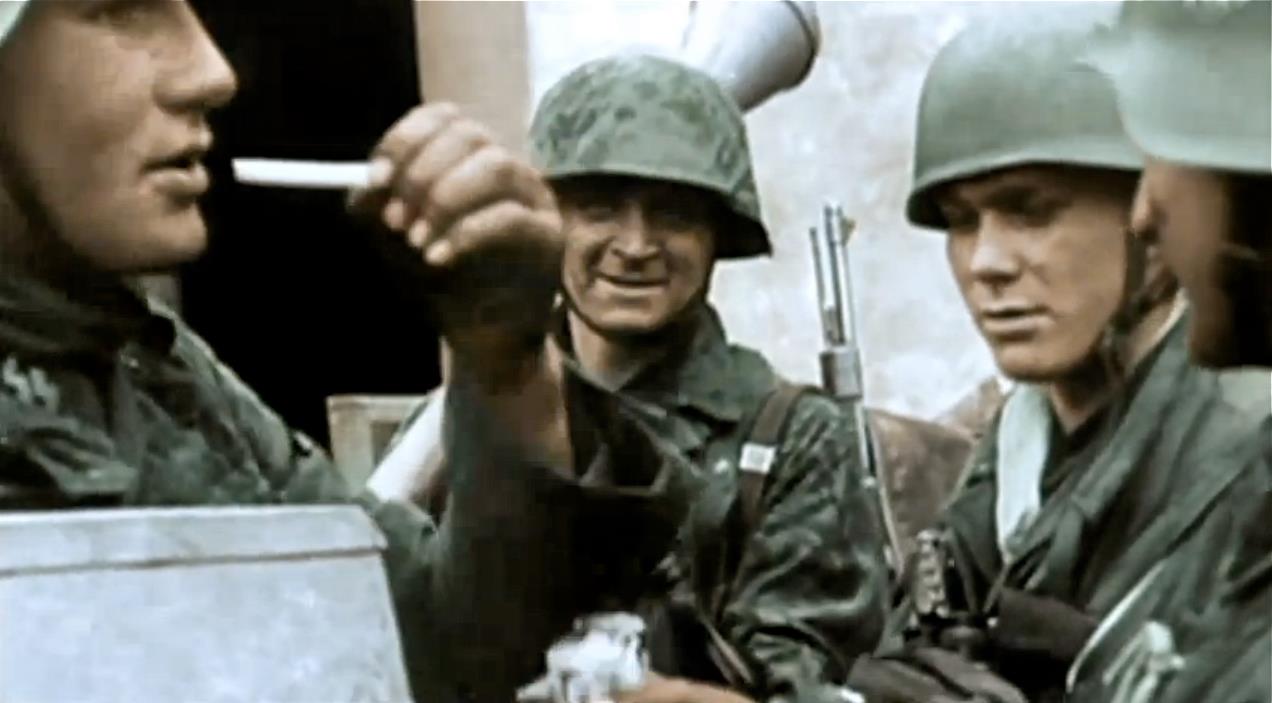

Erich von Manstein
Manstein: Hitler’s Most Capable General, Architect of Blitzkrieg
At the time it was called the “art of war.” War as a game of strategy. His conduct of war was brilliant. The invasion of France was Hitler's greatest victory. Much was achieved by sheer force—for example, the conquest of Crimea and Sevastopol.
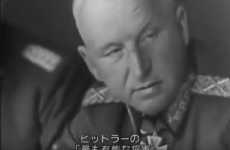
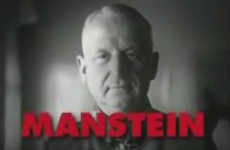
Hitler's 'most capable general.' The Allies' 'most dangerous enemy.' A Prussian field marshal: dutiful, critical, obedient. Why did he take part in this war and remain loyal to the end?
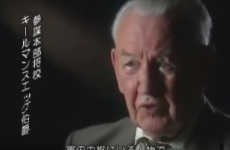
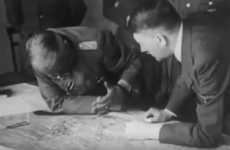
General Staff officer Count Kielmansegg: "No one at the military's center argued with Hitler as much as he did—over measures needed at the front, for example."
At the operations table, two mismatched men argued fiercely: the supreme commander holding power and the capable strategist.
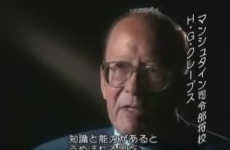
H. G. Krebs, an officer at Manstein's headquarters: “To him, Hitler was an ignorant lance corporal from the First World War, a man vain enough to think he had knowledge and ability. He saw it as fate that Germany's military destiny rested with this man.”
He led and prolonged the war for Germany. He ignored the crimes.
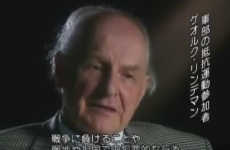
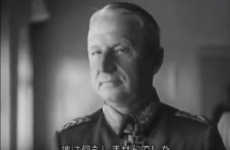
Military resistance member Georg Lindemann: "In his position, I think I would have understood: that the war would be lost, that criminal acts were being committed both in the field and at home, that something had to be done to break the deadlock, and that one had to risk one's life if necessary."
He did nothing. The conspirators' beacon of hope merely obeyed.
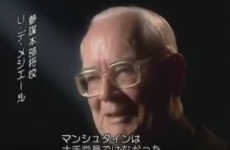
General Staff officer U. de Maizière: “Manstein was not a Nazi Party member. There was an unbridgeable gulf between him and Hitler. But with his traditional upbringing, he felt he should fulfill his duty. Some firmly call this his failure or shortcoming. Others show understanding, because tradition, history, and education formed the foundation of their generation. They had received a monarchical education rooted in a thousand years of history.”
Early Life
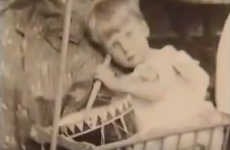
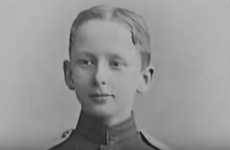
From childhood, he dreamed of becoming a soldier. It was almost a destiny. He received a traditional Prussian military education. Like his ancestors, he wanted to serve emperor and fatherland. That was the beginning. Training at the Berlin cadet school. Discipline and obedience. Comradeship. Fulfillment of duty.
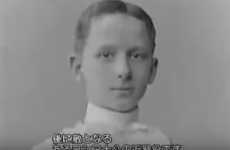
He attended the crown prince's wedding as a cadet, serving as a personal attendant to a Russian grand duke who would later become an enemy.
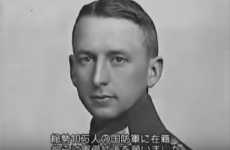
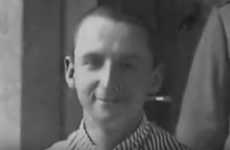
With the outbreak of the First World War, his education ended early. He went eagerly to the front. The capable noncommissioned officer [note: Manstein himself] was wounded in close combat and stunned by defeat. He recovered.
The republic was virtually in chaos. Serving in the hundred-thousand-strong Reichswehr, they wanted rearmament. They despised democracy but refused to become involved in politics.
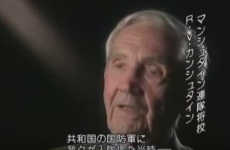
R. von Kanstein, an officer in Manstein's regiment: “When we joined the republic's armed forces—I joined in 1926—it was our duty to remain apolitical. We did not even vote. That was how extreme our training was. It was a mistake.”
They rejected political ideologies as well. Manstein disliked parliamentary disputes between parties.
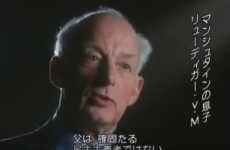
Manstein’s son Rüdiger von M.: ‘Father was not a committed democrat. But as long as the government was legitimate, he pledged it his loyalty.’
The new government was formally legal—a government opposed to democracy.
Opposition to the Exclusion of Jews
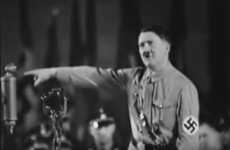
[Hitler's speech, February 10, 1933] “They destroyed everything. For fourteen years, no one hindered their work.”
This regime was no tragedy. (Note: Manstein) disliked the mob but wanted a strong army. He opposed only the exclusion of Jews from the military.
R. V. von Canstein, an officer in Manstein's regiment: "He objected for the sake of a young officer. I had been looking after the man; I knew him well and thought highly of him. There was a fierce disagreement over the Aryan paragraph [note: between Manstein and those around him]. It became so heated that Beck had to mediate."
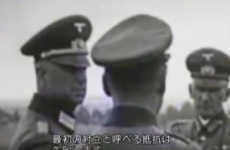
The first clash with his superiors. He told his commanding officer: ‘Complete affirmation of National Socialism and racial ideology goes without saying. But we must not forget military honor.’ This resistance, which could be called his first confrontation, failed.
The president was his uncle by marriage. With President Hindenburg's death, Hitler monopolized power. The SA was neutralized, and the army swore allegiance to him personally. Manstein served the Führer loyally. For promotion. Men like Manstein were needed for war. As a brilliant strategist, he rose through the ranks as the armed forces expanded. Other officers did not like him. He was knowledgeable, and most of what he said was correct. A man of great promise—a new Moltke, perhaps?
Demotion
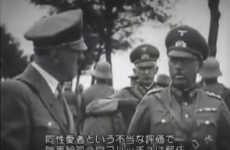
The post of chief of the General Staff was almost within reach. He had bought a home and had an official car: a bright future awaited. (Note: But) a conspiracy blocked his path. Army commander Fritsch was dismissed on a false accusation of homosexuality, and so was Manstein, who was close to him. The fall of this idol was a shock.
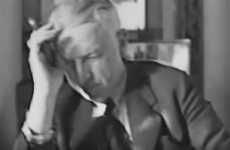
Manstein's daughter Gisela von Lingenthal: “My father respected Fritsch enormously and always kept photographs of him and Beck on his desk. I could see that he was exhausted. He said nothing, but soon afterward he sold the house in Berlin. He had no intention of returning.”
His advancement stalled. Instead of chief of the General Staff in Berlin, he became a divisional commander in Liegnitz. Officially a promotion, it was in reality a sidelining. Yet he was a man they needed.
Blitzkrieg
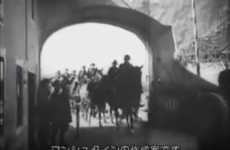
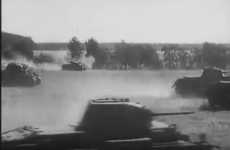
In March 1938, German troops entered Austria, according to Manstein's plan. Entry into the Sudetenland followed. He contributed to Hitler's victories. The invasion of Poland brought promotion to army group chief of staff. 'Blitzkrieg' was his idea.
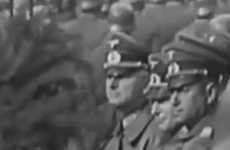
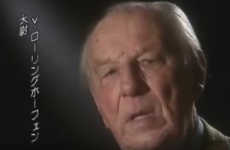
He stood in the front row at the victory parade in Warsaw. The next objective was France. Hitler demanded an early attack. The draft plan resembled one that had failed in the past.
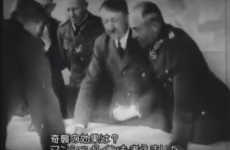
Captain von Loringhoven: “The original operational plan envisaged using a strong flanking force of appropriate size, as in 1914. But unlike in the First World War, the advance would pass from the Netherlands and Belgium through northern France toward Paris.”
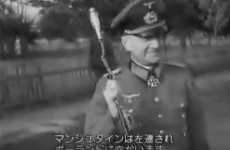
Hitler was dissatisfied. What about the effect of surprise? Manstein also considered the question. In Koblenz, he developed his famous alternative. In seven memoranda, he put its advantages at the top and tried to persuade the command. High Command judged the plan dangerous. Manstein was demoted and sent to Poland.
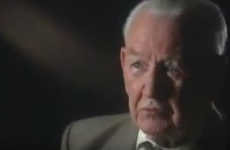
His plan saw the light of day. Hitler’s chief adjutant took notice, and he was summoned to the Chancellery on February 17, 1940. He explained an invasion plan that would outwit France. Army Group A’s armored forces would strike where the enemy least expected, swiftly passing through the Ardennes, terrain considered impassable to tanks. At the same time, Army Group B would attack the Netherlands and Belgium, drawing the Allied counterattack. If successful, the operation would cut off the enemy’s retreat by advancing to the English Channel. This was the sickle cut through France, the ‘Blitzkrieg’ plan.
General Staff officer Count Kielmansegg: "It was an extremely bold and relatively risky plan. But it had a decisive advantage. In war, the decisive thing is to take the enemy by surprise."
Hitler immediately accepted the plan. This is Manstein's diary.
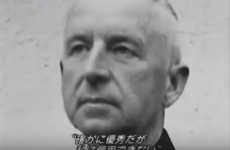
“What this genius lacks is the assistance of generals who understand his operations and share his determination to win.”
And Hitler's assessment of Manstein.
“Certainly capable, but I cannot trust him.”
On May 10, 1940, he wrote in his diary:
‘The Western Front begins. But I am at home.’
Within days, the operation’s success was evident, and its originator became famous.
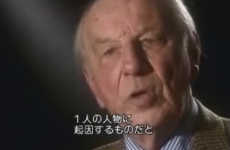
Captain von Loringhoven: ‘The rumor gradually spread that this reorganization and strategic plan originated with one man: General Manstein, then the army group’s chief of staff.’
German forces advanced toward the English Channel, with Manstein commanding a formation. Hitler’s order to halt astonished him. The British successfully escaped from Dunkirk. For a man who wanted a decisive outcome, this was a ‘lost victory.’ Germany’s conquest of Paris was Manstein’s achievement.
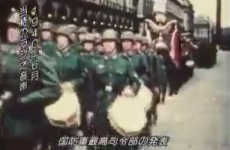
〈June 1940, contemporary radio broadcast〉‘Announcement from the High Command of the Wehrmacht: the entire French front has been completely destroyed.’
For Hitler, the greatest moment of his life. Hitler said:
“Only Manstein understood the new attack plan.”
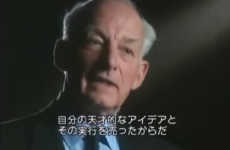
Manstein’s son Rüdiger von M.: ‘Of course, it was Father’s greatest achievement at the time. The family knew the idea was his. He was not very pleased, because everyone except Hitler had objected to the plan, and because he had sold Hitler his brilliant idea and its execution.’
Operation Barbarossa
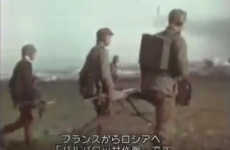
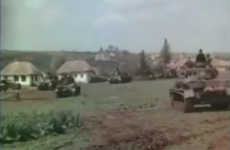
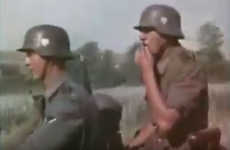
From France to Russia: Operation Barbarossa. A new dimension of war, whose aim was “annihilation.” Manstein commanded an armored corps. He did not pass on the Commissar Order. To him, shooting prisoners was “unsoldierly.” He turned a blind eye to the criminal nature of the war.A swift advance. Forgetting the Commissar Order, he gained an army to command and a new assignment.
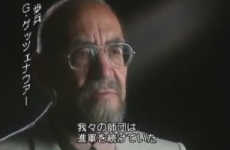
Infantryman G. Götzenauer: "The idea was to capture Sevastopol by Christmas. Our division kept advancing. We thought of it as a Christmas present for the Führer."
An absurd war. Crimea was intended as a settlement area for people from South Tyrol. German-style names had already been chosen. It was a 'war of materiel.'
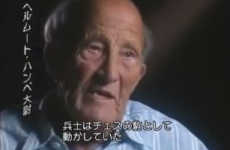
Captain Helmut Hampe: ‘He was a strategist. He moved soldiers like chess pieces. I acknowledge his skill at that. But on a human level, he did not move me.’
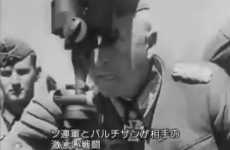
Fierce fighting against Soviet troops and partisans. A “war of annihilation.” He (note: Manstein) was drawn into it too. He ordered his soldiers to “eliminate” the “Jewish-Bolshevik regime.” “Atonement by the Jews” was necessary. Did he (note: really) put this into practice?
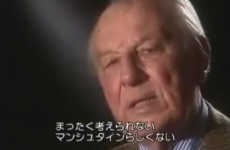
Captain von Loringhoven: "Quite inconceivable. It was unlike Manstein."
What defined him? Antisemitism? Optimism? Ambition? At the same time, he prohibited looting, personal profiteering and acts of violence. The illusion of a ‘fair’ war on the Eastern Front.
The attack on Sevastopol in December 1941. Eleven days were allotted to capture the fortress. The first assault failed.
Infantryman G. Götzenauer: “Our battalion was down to twenty-four men. There were no officers, NCOs or sergeants. A lance corporal led us, and we were constantly ordered to keep fighting. Looking at the piles of bodies, I could only call it criminal.”
Overlooking War Crimes
Combat and slaughter of every kind. Behind the armed forces, the SS killed more than 90,000 people: Jews, Communists, and itinerant peoples. He chose not to know.
<Manstein's testimony at Nuremberg: 'All I knew about the special units' duties was that they were intended to prepare political administration—that is, political screening of the inhabitants of the occupied eastern territories—and that this was done on Himmler's orders and under his responsibility.'>
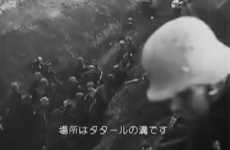
Did he know nothing more? A captain witnessed the special unit's actions at the Tatar Ditch.
Captain Ulrich Gunzert: “Bodies were piled up. Volley after volley was fired, and anyone still alive was killed with a pistol shot to the head or by other means. It was fundamentally mass slaughter.”
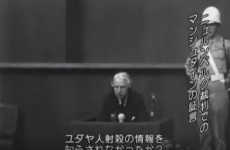
Questioning by defense counsel at the Nuremberg trials.
〈‘Were you not informed of the shooting of Jews?’〉
<Manstein's testimony at Nuremberg: 'I was told nothing.'>
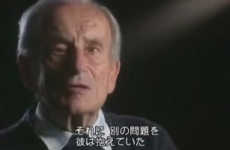
Captain Ulrich Gunzert: “I had an opportunity to report this to him. This is what happened: I reported it and asked him to take some action, but he refused. He was absorbed in purely military matters. Not just then, but always, he said he had no influence over rear areas outside his command. He also had another problem to deal with.”
Manstein was interested only in the front.
Captain Ulrich Gunzert: ‘He ordered me not to mention it again. He also said he had sworn obedience to the commander-in-chief. This can only be described as evading responsibility.’
Sevastopol Fortress
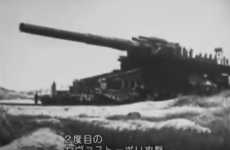
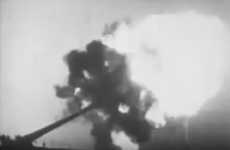
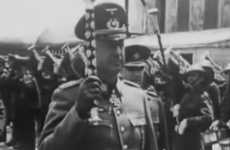
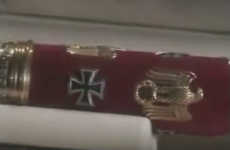
The second assault on Sevastopol. Huge railway guns subjected the fortress to a fierce bombardment. After 32 days of bitter fighting, the city fell. A Christmas present for Hitler. At the cost of tens of thousands of soldiers. Tasting victory on the battlefield was an incomparable experience. His diary for July 1, 1942: “Thanks to God and to all who shed their blood for victory.” Hitler established the Crimea Shield to commemorate the victory and awarded him a field marshal's baton. To Manstein, this was only natural. The baton is still kept under tight security. In a letter to his wife, he said he did not know whether Hitler's ambitions had subsided.
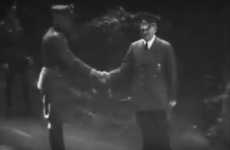
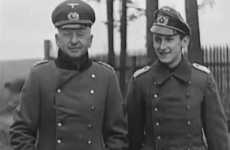
Congratulations at the Führer’s Chancellery. (Note: photograph on the left; no dialogue.) Hitler’s secret weapon on the Eastern Front (note: Manstein had become this). He would command the assault on Leningrad. His son Gero, whom he saw then, was killed at the front a few days later.
The Sixth Army at Stalingrad
Before he had time to mourn the death, he was given a mission. The Sixth Army was isolated at Stalingrad. Though he had few troops, he was optimistic about rescuing it. As the Sixth Army's hope, he radioed: “We will do everything in our power to rescue you.”
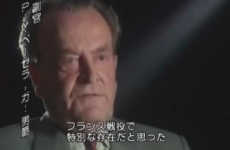
Adjutant Baron P. V. Boeselager: "After the conquest of Sevastopol and the French campaign, he thought he was someone special. He believed he could accomplish a great deal and succeed in commanding armies, because he thought Hitler valued him. But that was an overestimation."
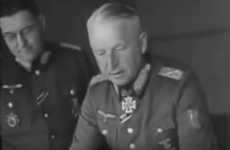
Supplying the army by air was impossible. Nevertheless, he instructed the Sixth Army to defend its position and concentrated his forces. He requested an order for a breakout, but would not issue it himself.
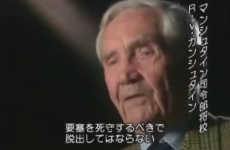
R. V. Kanstein, an officer at Manstein's headquarters: “He believed Hitler's instructions should be obeyed. The fortress had to be held to the death; there must be no breakout.”
Manstein sought permission to break out. Hitler insisted on defense, thinking of Caucasian oil and an advance into India. Manstein argued that the Sixth Army was the priority now: it must escape immediately.
Manstein's diary, November 26, 1942: 'The Führer refuses.'
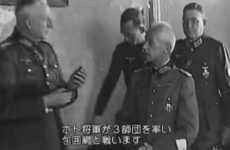
The last hope was to break through the encirclement. General Hoth led three divisions against it in Operation Winter Storm. The objective was to open a gap. Depending on the situation, Operation Thunderclap would follow immediately. Thunderclap meant a breakout.
General Staff officer Count Kielmansegg: "He also ordered Paulus to prepare a breakout. He could do no more. But had he ordered a withdrawal within six hours, he might have been dismissed. Hitler merely said it was pointless."
They came within forty-eight kilometers [note: of the Sixth Army]. But [note: at that point] the Italian front in the south was breached. The attack was halted to respond to it. The situation was disastrous.
R. von Cannstein, officer at Manstein's headquarters: “We were utterly dispirited by the failure. Our anger and hatred were directed at Hitler.”
Those inside the encirclement despaired. Manstein put on a show of optimism.
Second Lieutenant G. von Bismarck: ‘He said the military outcome was settled, but there was still hope.’
On January 3, 1943, officers were still being sent into the encirclement [note: as in the original]. Bismarck was listening to the telephone conversation with Berlin.
Second Lieutenant G. von Bismarck: ‘He said very calmly, “That lance corporal has learned nothing from Verdun. Something much more serious is happening here, right at the limit.”’
The Sixth Army’s task was to draw in the enemy. A captain described their desperate plight.
Sixth Army adjutant Winrich Behr: ‘He said, “As for the Führer, we must change his mind. That is what I hope, but I doubt it will have any effect.”’
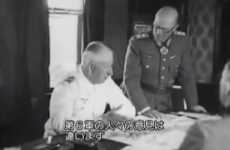
Manstein believed he had done everything possible. The men of the Sixth Army disagreed.
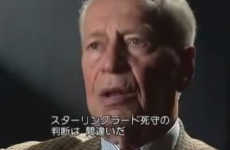
Sixth Army adjutant Winrich Behr: "He would only stand up to Hitler so far. He could have resigned or risked his own life. That might have persuaded people, but the decision to hold Stalingrad at all costs was wrong."
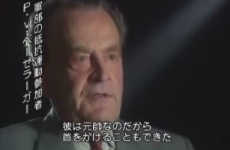
Military resistance member P. V. Boeselager: “He was a field marshal; he could have risked his own neck. Of more than 300,000 officers and men at Stalingrad, only 6,000 returned after captivity. He should have faced that fact.”
Persuading Stauffenberg
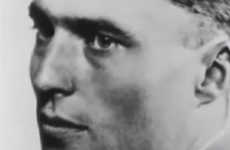
There were people who took these sacrifices more seriously. Count Stauffenberg sensed a national crisis. For them, Manstein was a beacon of hope, a man who could lead a rebellion.
Late January 1943, Army Group Don headquarters. Stauffenberg tried to persuade him. Their conversation could be heard outside.
R. von Kanstein, an officer at Manstein's headquarters: “What I can say is that Stauffenberg was deeply disappointed because he had not obtained Manstein's agreement. The reason was also conveyed to him: a military commander in a responsible position cannot actually encourage his officers and men to refuse their duties, because that would bring about the collapse of the entire front.”
(Note: Manstein) also believed the time was not ripe at home. Given the demand for unconditional surrender, it was already too late. Stauffenberg told an officer:
R. V. Kanstein, an officer at Manstein's headquarters: “All the generals know. But very few take action.”
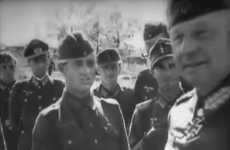
He did not act. Manstein chose obedience. He also said, ‘Prussian field marshals do not rebel.’
Military resistance member P. von Boeselager: “If necessary, even a field marshal should rebel, unless he values his position too much.”
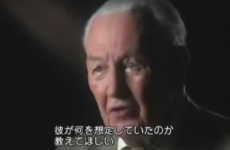
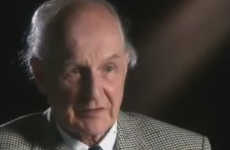
General Staff officer Count Kielmansegg: “I would like to know what he envisaged. Was he thinking of marching on Berlin?”
Military resistance participant Georg Lindemann: "He should have acted on his own initiative and turned his gun on Hitler. He should have become involved and played some role."
Disagreement with Hitler
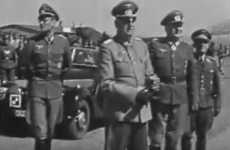
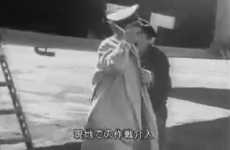
His troops faced annihilation. The Soviet advance westward could not be stopped. Was the Eastern Front collapsing? As Manstein devised countermeasures, Hitler caught wind of them. He intervened in operations on the spot. Five conferences in three days. They clashed over the map table.
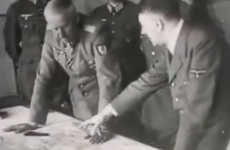
H. G. Krebs, officer at Manstein's headquarters: “They clashed because Manstein had ideas of his own. Naturally, he often withdrew. He sought success while conserving his forces. That was why he moved back and forth. It always created mistrust. Hitler, unwilling to discuss it, interrupted him.”
Manstein wanted flexibility in operations.
Manstein's son, Rüdiger V. M.: "His great weakness was misreading Hitler's character and true nature. As a result, he believed for far too long that objective argument could persuade Hitler, and that such persuasion would work on him. That was a profound mistake."
He realized that under this Führer he could not win the war he wanted to win. Create space, lure the enemy in, and strike from the flank: this proposal was rejected.
General Staff officer Count Kielmansegg: “But this is what happened. When Soviet tanks drew close, Hitler left. That meant the time had come to carry out this operation, because for those few days Hitler would give no orders. It was his only opportunity to have a free hand.”
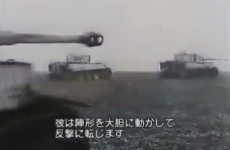
He trapped the Russian forces advancing in confidence of victory. Boldly shifting his formations, he counterattacked. The front toward Stalingrad did not move, which he regarded as a major achievement. This success reinforced a misconception: the war was not yet lost.
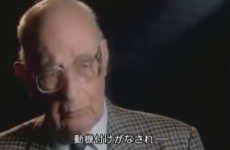
Baron H. V. Humboldt, an officer at Manstein's headquarters: "He was probably optimistic. I do not know whether, deep down, he contemplated failure. He came to think that, with motivation and the right decisions at the right time, a draw might still be possible."
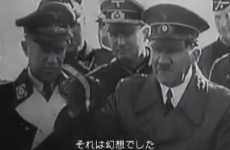
It was an illusion. Hitler would not give him freedom: this was his war. Manstein obeyed. Hitler hoped to weaken Soviet forces with tanks. The operation was postponed again and again.
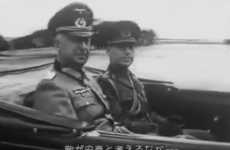
Baron H. von Humboldt, an officer at Manstein's headquarters: “His fury showed in his words. The schedule was postponed every day, and success was questioned.”
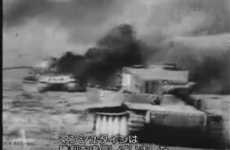
The field marshal awaited the commander-in-chief’s decision. He headed toward Bucharest as a diversion. While the enemy felt secure, German forces advanced. July 1943: the tank battle of Kursk. The start came too late. Manstein was convinced of victory. Soviet forces were fully prepared. Operation Citadel failed. Was Manstein responsible?
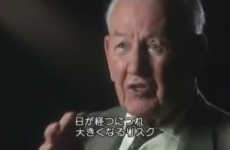
General Staff officer Count Kielmansegg: “Why was the opportunity missed? The risk increased with every passing day. The risks of the operation as a whole were not pointed out. That was why we and Manstein believed it would succeed.”
Even with defeat certain, he remained optimistic to the end. Manstein sought a draw. Rommel called him an illusionist, because he believed Hitler would relinquish command in the east. He intended to persuade him.
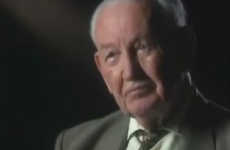
General Staff officer Count Kielmansegg: "When we tried to speak, Hitler said, 'I know what you want. We will not discuss it. Field Marshal, first explain the situation of your army group.'"
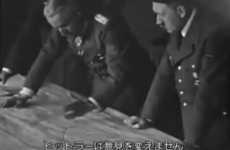
It was a difficult situation: retreat on the Eastern Front. Hitler would not change his mind. Relations between the two deteriorated.
H. G. Krebs, an officer at Manstein’s headquarters: ‘He was fighting Hitler, too. He had to think about what might influence him. That was another front for him.’
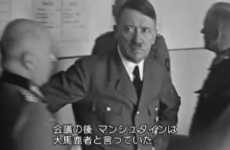
Hitler paid no attention to the losses.
H. G. Krebs, officer at Manstein's headquarters: “After the conference, Manstein called him a complete fool. He stated his opinions clearly to Hitler at the operations table as well. Hitler insisted on his own views without considering the consequences. But he was confident, because in the end Manstein, as a typical Prussian officer, always chose obedience, even under these circumstances.”
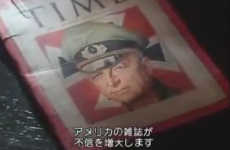
He obeyed and looked away from criminal acts. He remained silent about rebellion and would not contemplate defeat. At the front his days were filled with classical music, chess and cards. If you think you will lose a war, you will lose: that was his motto. The number of emissaries grew. Hitler did not trust Manstein.A man who constantly opposed him and demanded authority. An American magazine increased that distrust. Goebbels called him the “retreating field marshal.” Someone outside the Nazi Party could not be trusted. Yet Hitler could not dispense with an able general.
Escalating Disagreements and Dismissal
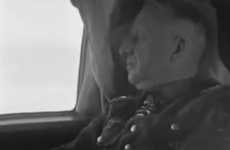
March 1944. The conflict intensified. Once again the entire army was surrounded. Hitler insisted on holding the defense; Manstein demanded withdrawal, threatening resignation. Hitler made his final concession. The army withdrew: the last of the 'lost victories.'
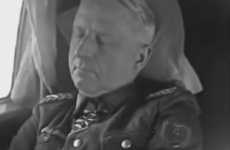
Six days later, Hitler summoned him. His army group knew what it meant: dismissal. March 31, 1944, Obersalzberg. Hitler explained that a firm defense was needed.
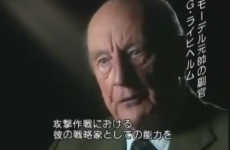
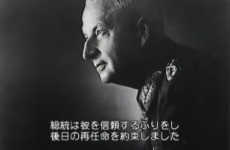
Field Marshal Model's aide G. Reichhelm: “Hitler praised his abilities as a strategist in offensive operations. But he said: you are not needed in the south. Field Marshal Model will take over. Manstein replied: ‘Führer, are you taking it away from me? I have used every strategic means to defend the land where my son is buried.’”
The Führer pretended to trust him and promised to reappoint him later. But Manstein was dismissed: a field marshal without a command. Hitler planned to defend the front in his war of extermination, while Manstein clung to an illusion: the commander-in-chief would use him. The fronts collapsed, in the West and in the East.
He hoped to command even a single battalion. He could not. Eventually he was detained as a war criminal.
Release and Cooperation in Establishing the Bundeswehr
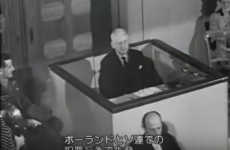
A British military court in Hamburg, 1949. Accused of crimes in Poland and the Soviet Union, he knew nothing of the crimes. He himself was not the only issue.
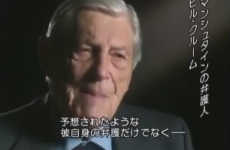
Manstein's defense lawyer Bill Croom: “He fought not only in his own defense, as expected, but for the honor of the army.”
He was sentenced to eighteen years' imprisonment. A campaign opposed his incarceration, and he was released in 1953. Manstein helped establish a new army.
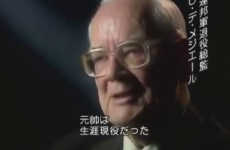
U. de Maizière, retired Inspector General of the Bundeswehr: "Under the old Prussian tradition, a field marshal remained on active service for life. His sense of duty revived him. He felt he had obligations to fulfill. He wanted to help establish a new military force by offering advice."
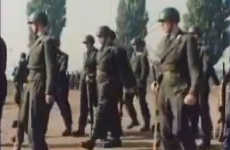
Manstein chose his military duty. The decision also involved inner conflict.
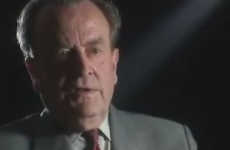
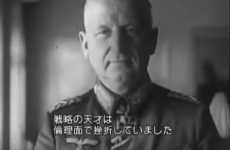
Military resistance member P. V. Boeselager: “I admire Manstein. As an outstanding Wehrmacht strategist, he was a gifted professional with keen understanding. He had exceptional powers of persuasion. He was an artistic man, not a rigid soldier. He exercised great self-discipline and was a master of chess. What deserves criticism is that he did not cooperate with the other field marshals to bring the war to an end.”
The strategic genius had failed morally. ≪End≫