
The Holocaust
Peace Torn Apart
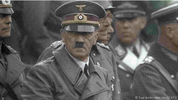
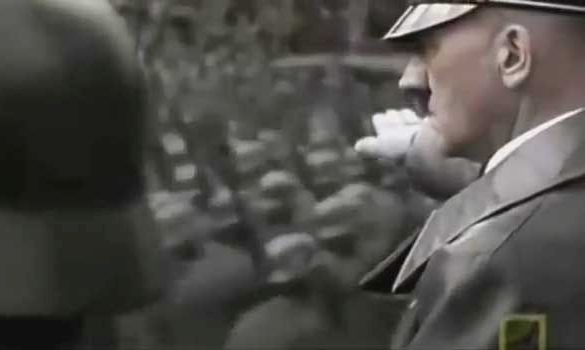
Berlin, January 1933. Adolf Hitler, leader of the National Socialist German Workers' Party, commonly known as the Nazis, was appointed chancellor of Germany. The German people would soon be required to embrace a set of ideas founded on dictatorship.
Josef Felder, then a member of Germany’s Social Democratic Party: ‘That day Berlin was truly a sea of swastikas. I went out into the streets myself and watched the Nazi storm troopers proudly parading. Restaurants and bars stayed open all night. Everyone was drinking and making a tremendous noise. The ferocious enthusiasm and the sudden rush of devotion to Nazism were hard to believe.’
Ordinary citizens came to believe they were a special people. And the world was dragged into unprecedented terror.
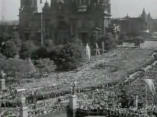 [1933
Berlin]
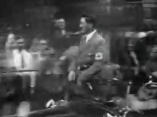
The Nazis seized power under the forceful leadership of one man: Adolf Hitler. He won the chancellorship through political maneuvering rather than an election. Hitler declared:
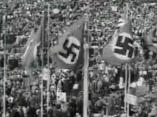
The causes of Germany's problems, he argued, lay in the Versailles system after the First World War and the incompetence of politicians. The age of party politics was now over, and Hitler himself would embody the national will.
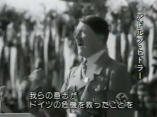
Adolf Hitler: "Our people know that our will rescued Germany from crisis. After fifteen years of despair, a great people has risen again."
Book Burning: Industrial and Agricultural Recovery and Propaganda
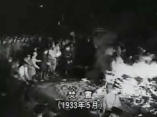 Book Burning(1933
May)
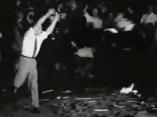
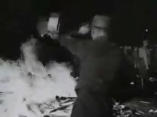
The so-called book burnings, destroying writings deemed un-German. To the Nazis, ideologies such as liberalism and communism were exceedingly dangerous.
Unions were banned to eliminate labor disputes. Workers were made to join the Nazi-led labor movement. During the Great Depression, unemployment reached thirty percent.
But when Hitler made rearmament and providing jobs for workers his goals, German industry revived.
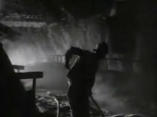
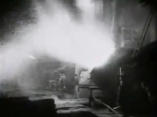
The Nazis received support from factories across the country. A helping hand was also extended to farmers driven into bankruptcy during the Great Depression.
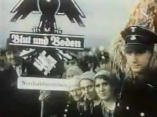
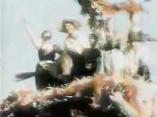
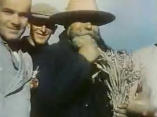
The Nazis staged a huge demonstration intended to unite the hearts of the party and the farmers: a harvest festival blending old customs with new ideology.
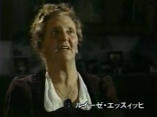
Luise Essig: ‘At the harvest festival, our hearts became one. The same happiness. The same joy… We were sincerely grateful that light had returned to our future as farmers.
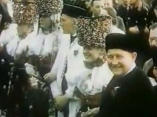
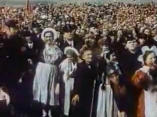
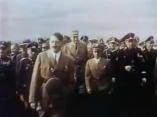
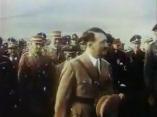
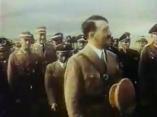
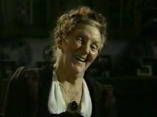
No politician was ever as loved by the people as Adolf Hitler was then. I remember so many things. It truly was a happy time.”
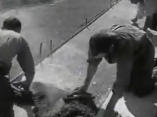
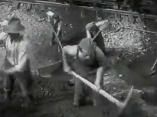
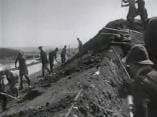
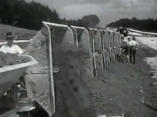
To combat unemployment, Hitler promoted a vast public-works project: construction of the autobahn, a four-thousand-kilometer highway network.
 Autobahn
Opening Ceremony
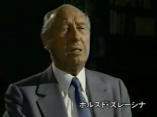
Horst Slesina: "I was one of the first radio reporters to travel on the autobahn. Thousands lined the road. Everyone was excited.
I reported that building the autobahns was a great achievement of which we Germans should be proud, and that it would continue.”
The workers were publicized nationwide as fine examples of National Socialism.
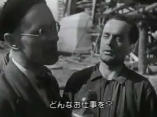 ‘What kind of work do you do?’
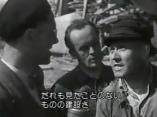 “Building something no one has ever seen.”
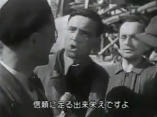 "It is reliable work."
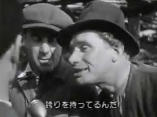 ‘He is proud.’
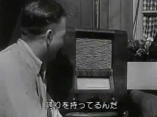
 People listening intently to the radio
Antisemitism Comes to the Surface
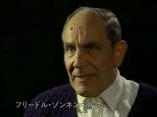
Friedl Sonnenberg: "For a long time, we believed every bit of Nazi propaganda on the radio. Young people were its most enthusiastic audience. More than ninety percent of the population supported everything the Nazis did."
Radios mass-produced at the propaganda minister's direction were called 'People's Receivers' and quickly spread into homes. The Nazis understood very well that radio was indispensable to propaganda.
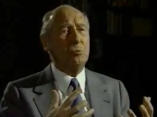
Horst Slesina: "Radio made Germans aware of their greatness. Propaganda instilled a sense of pride in people for the first time."
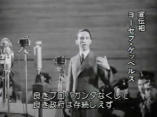
Propaganda Minister Joseph Goebbels: “Without good propaganda, good government cannot endure. Without good government, good propaganda cannot arise.”
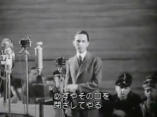
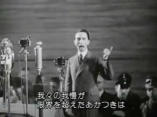
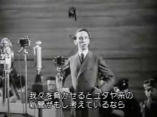
They blamed Jews for a variety of problems.
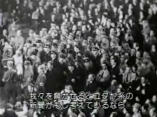
Propaganda Minister Joseph Goebbels: “If the Jewish press believes it can intimidate us, it is gravely mistaken. Once our patience reaches its limit, we will certainly silence them.” (Deafening cheers from the audience)
Jews
The Nazis drew out people’s latent hatred of Jews.
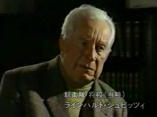
Reinhard Spitzy, then an SS officer: “In business, Jews outperformed ordinary Germans and Austrians. They also excelled in literature, theater, film, and science.
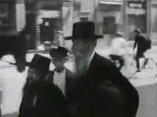
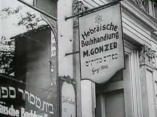
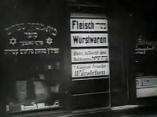
At the time, more than fifty percent of doctors and seventy percent of lawyers in Vienna were Jewish. Such things became factors giving rise to antisemitism.”
Yet of the half-million Jews living in Germany, very few followed a traditional Jewish religious way of life.
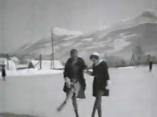
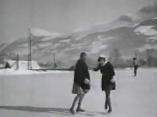
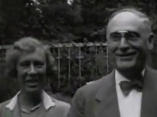
Gerda Bodenheimer’s family, living outside Berlin, considered themselves Germans first and Jews second.
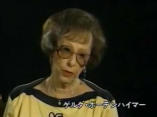
Gerda Bodenheimer: ‘This is my brother and me. We were very close siblings.
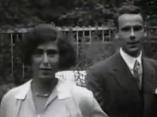
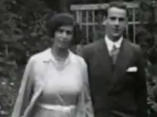
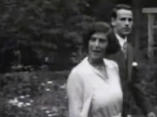
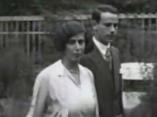
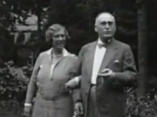
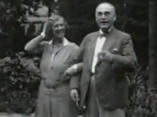
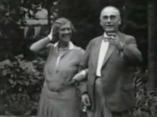
These two are our parents. Father was a banker.
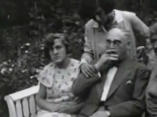
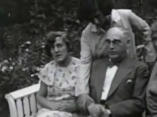
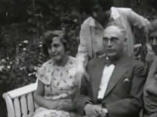
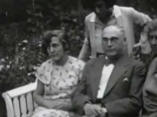
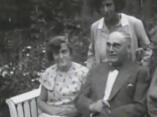
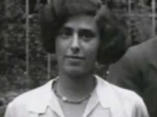
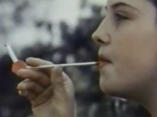
I am putting a cigarette in my father's mouth. I loved doing that. I was the only one in the family with a Jewish-looking face.In those days, Germans were sensitive to people's appearance and very good at spotting Jews."
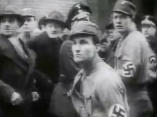
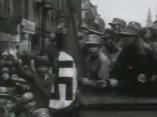
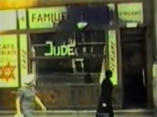
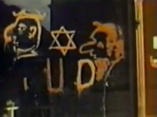
In March 1933, Hitler and Goebbels issued a nationwide directive to boycott Jewish-owned shops. Most German citizens merely stood by as shops were blocked and attacked.
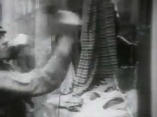 of the shop
Germans smashing shop windows
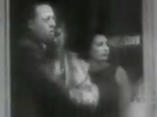 Frightened Jews
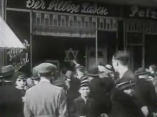 in the background, David
a hand can be seen painting the star
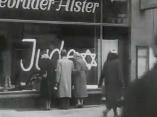 “JUDE,” and
Germans peer into a shopfront bearing the writing
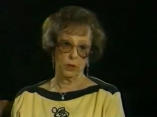
Gerda Bodenheimer: "It was a terrifying experience. Mother told us we should leave Germany. Almost a year to the day later, we officially emigrated. I am still grateful for her courage and foresight. We were very fortunate."
The Aryan Myth
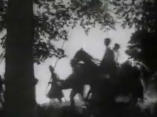
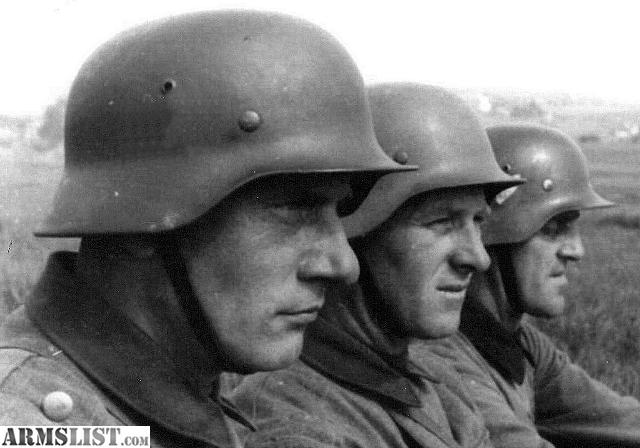
The Nazis constructed a historical myth to support their ideology. It claimed that pure-blooded Germans were a superior race by birth, because they were descendants of medieval knights with Aryan blood. Germans were indoctrinated to believe their ancestors had been a superior and cultured people.
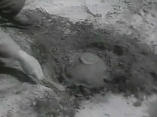
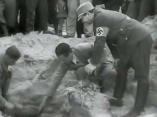
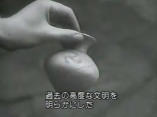
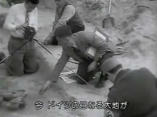
Archaeologists sympathetic to the Nazis excavated fake ruins as evidence.
"Now Germany's mother earth has revealed an advanced civilization of the past."
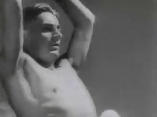
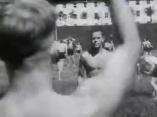
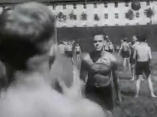
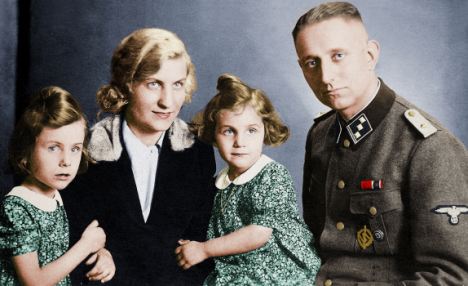
The Schutzstaffel, commonly called the SS, were, so to speak, descendants of the medieval knights of myth.
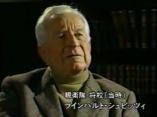
Reinhard Spitzy, then an SS officer: "I too belonged to the SS. We were regarded as carefully selected men, destined to become the pillars of the future German people.
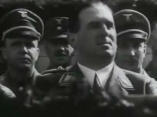
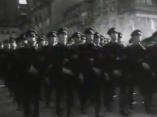
At the time I thought it was wonderful. Being chosen greatly flattered my pride. The SS uniform was black, and it looked truly beautiful. I liked everything—the uniform, the boots, all of it."
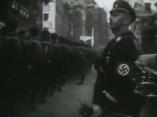
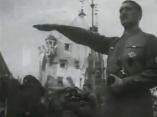
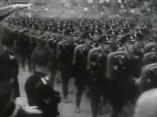
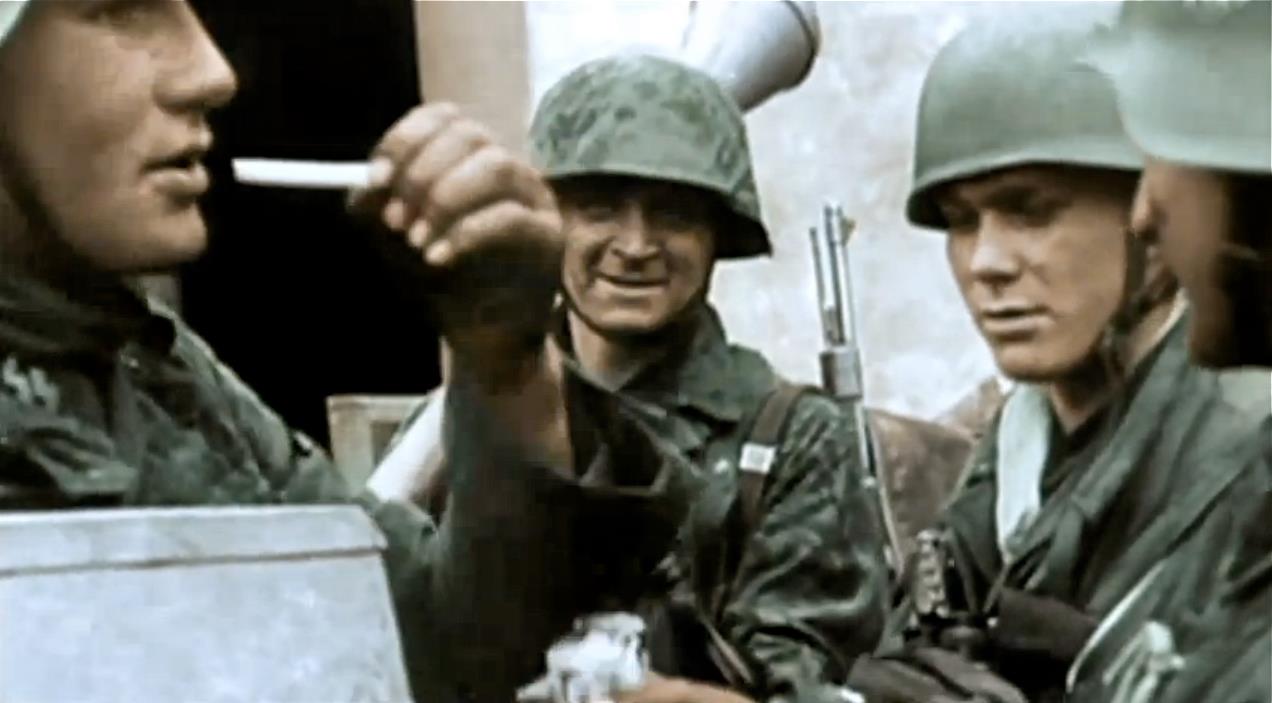
The SS originated as Hitler’s private bodyguard. Now it also sought to instill in the public a consciousness of belonging to a superior race.
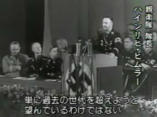
SS leader Heinrich Himmler: “We advance according to eternal laws. We are on the path toward the distant future. We do not merely wish to surpass past generations. We wish to create future generations that will make the German people eternal.”
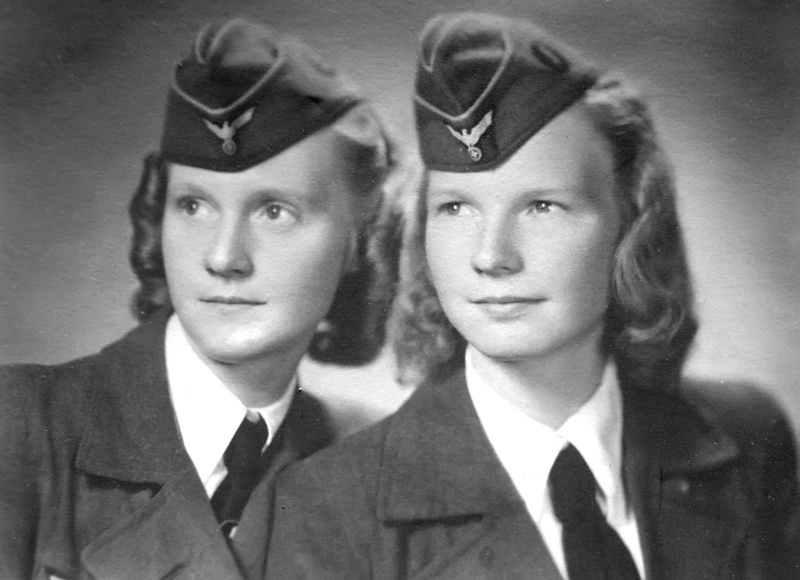
Drawing on Nazi theories of heredity, Himmler sought to improve Germany's racial stock. Healthy couples received special loans to encourage them to have more children. Mothers of large families were even awarded medals. To the Nazis, an ideal child was a racially pure Aryan free of hereditary disease. Spouses therefore had to be chosen carefully.
Reinhard Spitzy, then an SS officer: "I too was screened when I married. As an SS officer in particular, I had to document my ancestry back to 1750, and my wife had to answer twenty-two questions.
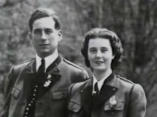
My wife was even asked about her tastes in clothes and perfume. We Germans believed we could create a new race that seemed perfect to us. I chose my wife according to these guidelines too."
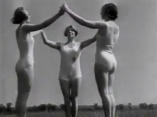
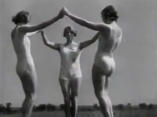
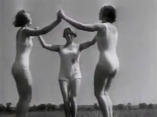
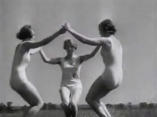
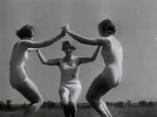
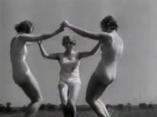
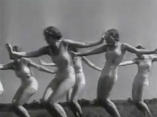
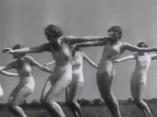
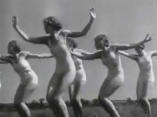
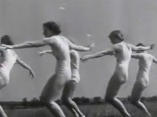
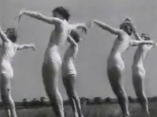
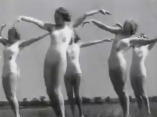
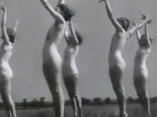
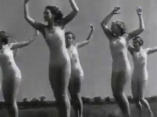
The new Germans were healthy people trained in self-discipline, models everyone aspired to emulate.
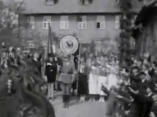 At the end of the event
Citizens giving the Nazi salute
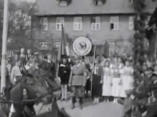
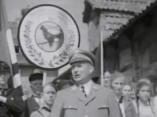
The entire population was forced to live the ideal German life prescribed by the Nazis. To ensure people did not forget its purpose, local Party members regularly organized various events.
Hertha Grabarz: "It was always for Führer Hitler and the homeland. We never did anything for ourselves."
People who had spent their childhood in the small Saxon village of Leppner watched film of a festival from those days.
Hannelore Lüttgering: “I was only six at the time.
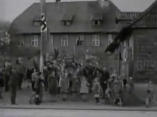
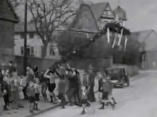
You can see the flag raised. This is the pastor’s house.
This pole was a festival decoration. Just as boys joined the Hitler Youth, girls joined the girls’ league.
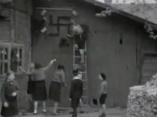
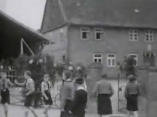
They're putting up swastikas. I liked wearing the girls' uniform, and I loved the girls' organization. With all my heart."
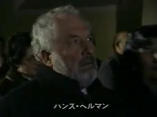
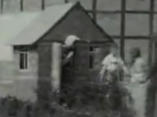
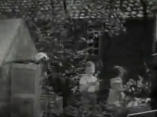
Hans Hermann: "I am the one dressed as Hansel from Hansel and Gretel."
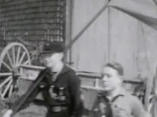
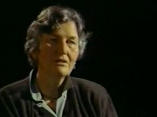
Hannelore Lüttgering: “My brother played Hansel and I played Gretel. Blond hair, blue eyes and height earned great praise. It was always children like that who were chosen as substitutes to march carrying the flag.”
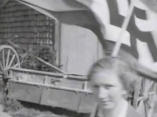
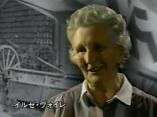
Ilse Voile: "That girl holding the flag is me. I was so proud to walk with it. I even appeared in a film. It was very exciting."
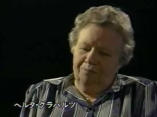
Herta Grabarz: ‘I was not really fanatical. I joined because everyone else did. I did not want to be left behind.’
Persecution of the Jews
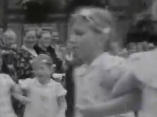
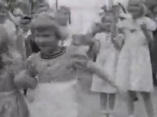 Alternating the arms
A traditional German dance with changing partners
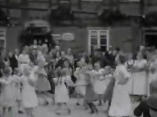
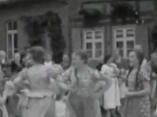
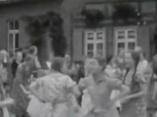
But not every German could participate in these national celebrations. Holding up only pure-blooded Aryans as ideal Germans, the Nazis relentlessly persecuted Jews as an inferior people.
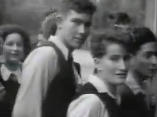
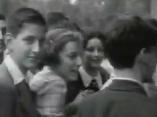
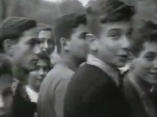
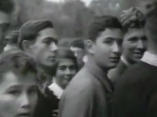
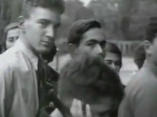 of Jewish descent
Young People
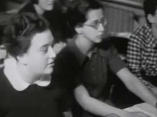
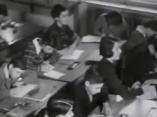
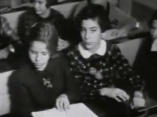
Because Jewish children were excluded from the state education system, Jews had to establish their own schools.
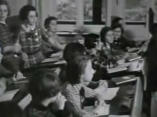
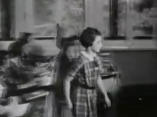
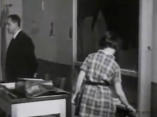
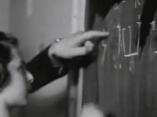
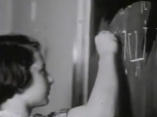
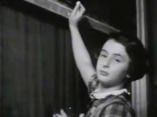
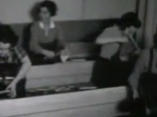 Scene at a Jewish School
From 1933 to 1935, a series of Nazi laws barred Jews entirely from legal, medical and administrative professions, expelling them from Aryan workplaces and households.
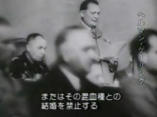
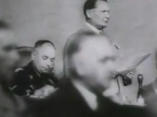
Hermann Göring: "Marriage between Aryans and Jews—or persons of mixed Jewish descent—is forbidden." (Cheers rise from the chamber.)
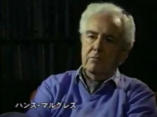
Hans Margulies: “At the time I attended art school in Berlin, but as a Jew I was forbidden to go out with Aryan girls. Nazi laws meant I could not have a single female friend.”
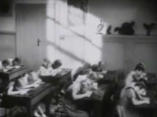
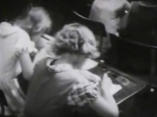
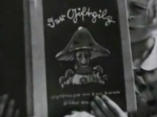
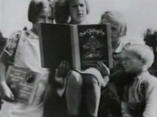
In Aryan schools, children were taught to beware of Jews. A textbook likened Jews to poisonous mushrooms, teaching that poisonous ones must be sorted from harmless ones.
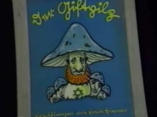
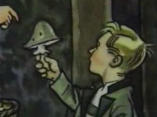
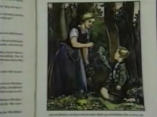
This textbook also contains many distorted depictions of Jews: Jews luring children, Jews seducing Aryan women, Jews deceiving honest Aryans.
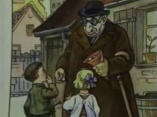 luring children
Jews …
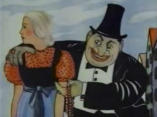 Aryan woman
Jews seducing …
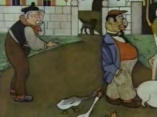
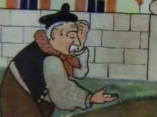 Honest Ar...
Jews deceiving ...rians
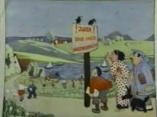
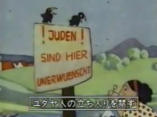 [Jews forbidden to enter]
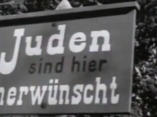
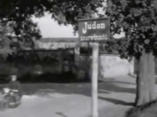
Such messages excluding Jews were no mere figures of speech. By the late 1930s, signs like these appeared throughout Germany.
Horst Slesina: “It was a slow but steady change.And it engulfed all the German people, who had never previously entertained such ideas. At first, many people did not necessarily believe what the Nazis said. Then, before they knew it, they had been brainwashed and were saying things like the Jews were the root of all evil.”
The Roma—Files on Physical Characteristics—Sterilization
Jews were not the only people who failed to fit Nazi ideals. Some 45,000 Romani people, who traditionally lived itinerant lives, were also persecuted by the Nazis.
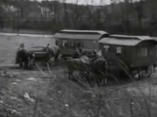
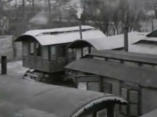 Roma Homes
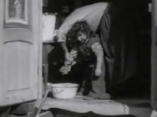 having his hands washed
A Young Child
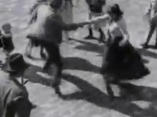
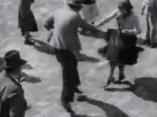
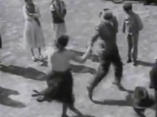 dancing
The Roma People
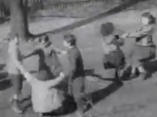 Forming a circle
Children playing
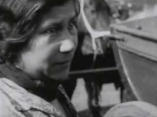
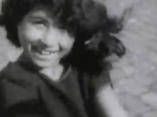
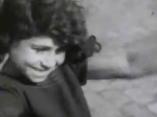
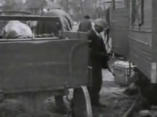 The Roma People
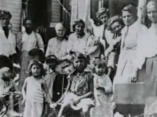
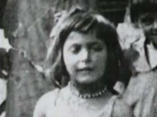
Anna Maria Ernst's family made their living from music and dance.
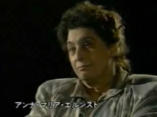
Anna Maria Ernst: “Those were beautiful, wonderful, happy days. Festivals—and dancing. The women were full of life. When someone married, we celebrated lavishly for six or seven days. That was our custom. We all loved a life as free as the birds in the sky.”
In Nazi eyes, Romani people were unhygienic, antisocial nuisances.
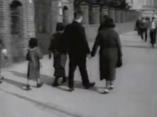 The two on the left
the Roma mother and child
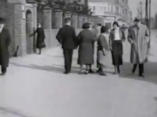 passing by
Mother calls out to the woman...
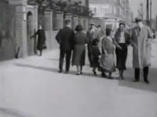
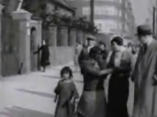 Let Me Read Your Palm
Trying to receive
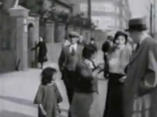
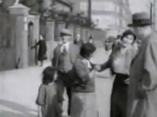 A troubled expression
a woman doing
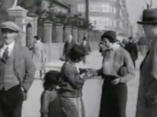
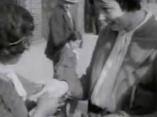 Even a girl passing by
Looking on suspiciously
(Note:) Even today, terms referring to Roma people are sometimes used as synonyms for beggars, thieves or drug dealers, and there is a tendency to avoid these labels as discriminatory language. Yet such usage is described as colloquial language used to conceal discrimination, and does not necessarily eliminate discrimination itself. (From Wikipedia)
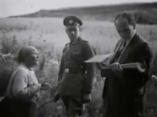
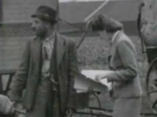
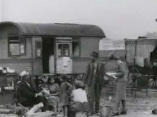
The Nazis disliked contact between Romani people and Germans and decided measures were necessary. They sent investigators throughout the country to gather every possible detail about the Romani. Jews, Black people and homosexuals were similarly investigated.
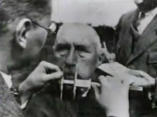
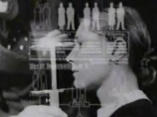
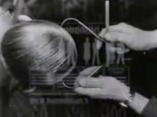
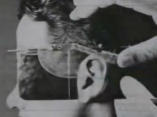
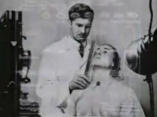 Various Physical Examinations
(Examination of physical characteristics)
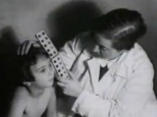 Eye Color
Examination of
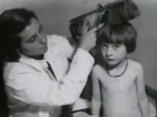 Hair Color
Examination of
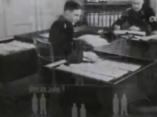
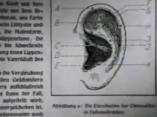
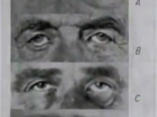
Documents recording physical traits such as eye and hair color, along with family trees, were all filed and retained by the authorities.
Anna Maria Ernst: "We had to sell our belongings and move into apartments. Everyone was forced to settle down and register as residents... Our free way of life ended."
 The Sterilization Law Takes Effect
(July 1933)
The Nazis also regarded people with mental disabilities as dangerous. Claiming to prevent hereditary disability, they forcibly sterilized them.
Newsreel narration: ‘Our population has increased by fifty percent over the past seventy years. The number with hereditary defects has increased by 450 percent. At this rate, within fifty years every citizen will have diseased descendants. Endless terror will rule the nation.’
While Jews, Romani people and people with disabilities were forced into lives of oppression, ordinary Germans' living conditions continued to improve through 1937. Rearmament reduced unemployment by four million. Hitler's belligerent foreign policy restored the pride Germans had lost after the First World War.
The Austrian Nazi Regional Organization
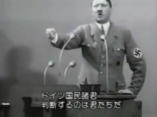
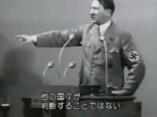
Hitler: “We have become energetic and industrious. Look at Germany today. German people, it is you who must judge. It is not for other countries to judge.”
Hitler was now making an even greater promise to the people: to unite Europe's German-speaking peoples.
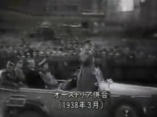 The Annexation of Austria
(March 1938)
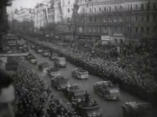
March 1938. Ignoring the Treaty of Versailles, Hitler annexed Austria. Most Austrians welcomed him with cheers.
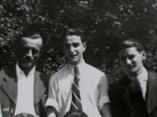
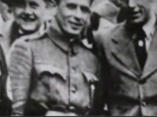
Norbert Lopper was a nineteen-year-old Jew living in Vienna.
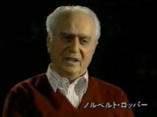
Norbert Lopper: "Antisemitism existed in Austria long before Hitler arrived, but it was not outin the open. After 1938, however, such attitudes became blatant."
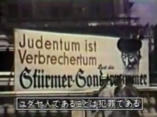 [Jewish and
…being … is a crime.]
In Austria, too, local Nazi organizations humiliated Jews.
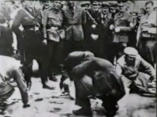
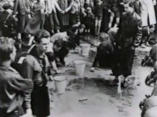
Norbert Lopper: “One day they came to our house and dragged my sister away. They took her into the street and ordered her to scrub it clean. While she scrubbed, they stood there mocking her. ...It was humiliating.”
Kristallnacht: Jews Flee Abroad
The antisemitic campaign escalated daily. In Munich, a synagogue was demolished on the grounds that it obstructed traffic.
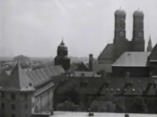
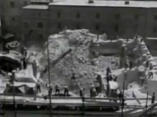
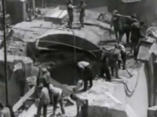
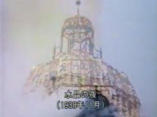
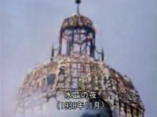
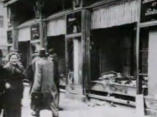
Then, on the night of November 9–10, 1938, Nazis simultaneously attacked Jews across the country: the so-called Kristallnacht.
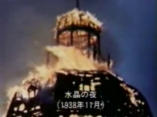 Kristallnacht
(November 1938)
More than a thousand synagogues were set on fire, three hundred people were killed, and over thirty thousand were arrested.
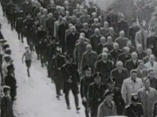
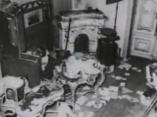
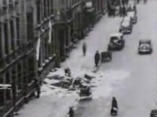
By January of the following year, 1939, Hitler had also annexed Czechoslovakia’s German-speaking regions and was plotting war. Yet he blamed it all on the Jews and launched still harsher repression.
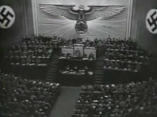
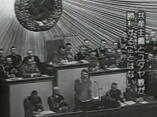
Hitler: ‘Communism and Judaism will not triumph. Europe’s Jews will be exterminated.’ (Cheers in the chamber)
Jews with savings fled abroad. In 1938 and 1939 alone, nearly one hundred and twenty thousand left.
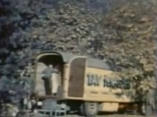
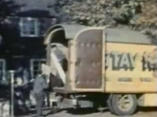
 Wealthy Jews
scenes of moving house
Note: burying something in the garden
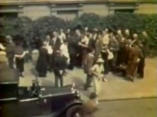
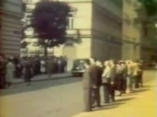
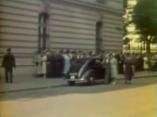
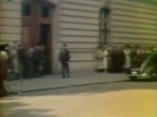
But the procedures for leaving took time. Long queues formed daily outside the American consulate in Vienna. Foreign governments consequently began limiting the number they would admit. Those who fled to neighboring countries would soon face Nazi invasion there too.
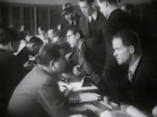
 The man at the far right, something
pleads desperately, but rises in disappointment
Hadamar Hospital: The Annihilation of People with Mental Disabilities
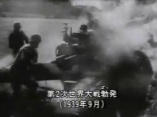 Second World
The Outbreak of the World War
(September 1939)
September 1939. Germany’s invasion of Poland plunged the world into the Second World War. This war was an attempt by Aryan Germans to expand their living space. The Nazis classified Poles by race.
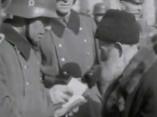
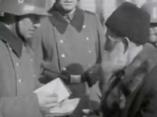
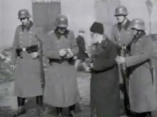
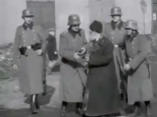 Called to a halt
Checking identification...
…an elderly Jewish man being …
Those with blond hair and blue eyes were allowed to become German citizens. Others were forced into labor, expelled abroad or killed. More than three million Polish citizens were Jewish.
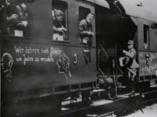
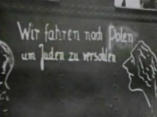
Göring said: this is not simply a war; it is a great racial war. A slogan on a German military train read: 'We are heading for Poland to crush the Jews.'
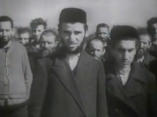
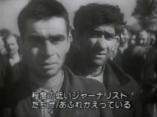
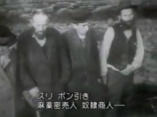
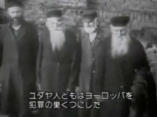
Newsreels spread falsehoods like these.
‘Germany is most troubled by the Jewish question. The Jews have made Europe a den of crime. Pickpockets, pimps, drug dealers, slave traders. It is overflowing with low-grade journalists.’
When war began, German policy toward people with physical or mental disabilities changed. Hitler issued a top-secret directive ordering their extermination. Reinhard Spitzy heard Hitler explain his reasons.
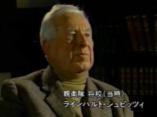
Reinhard Spitzy, then an SS officer: "He said: Why must we spend money on people like that? With that money we could do all sorts of things for poor children."
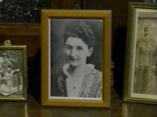
This order from Hitler plunged Marie Rau into the depths of despair.
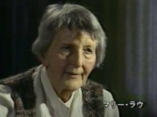
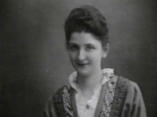
Marie Rau: "My mother had been in a Frankfurt hospital since December 1931, before the war. Her marriage to my father had broken down, and she had become mentally ill."
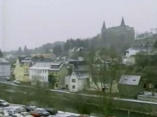
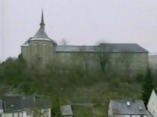 Hadamar
hospital
Marie Rau's mother was diagnosed as having no prospect of recovery and transferred to yet another hospital. It was the hospital at Hadamar, a Nazi center for exterminating people with mental disabilities.
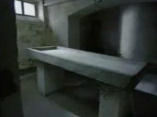
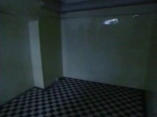
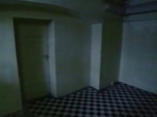
In this basement, more than ten thousand people were killed with carbon monoxide gas. In the adjoining room, bodies were dissected for medical research.
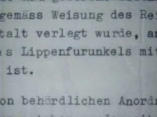
Only many years later did Rau learn the true cause of her mother's death.
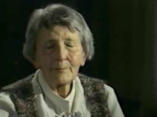
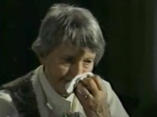
Marie Rau: ‘The fact that such things really happened…is a disgrace to our entire society.’
The Ghetto: Humanity Trampled
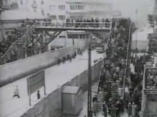
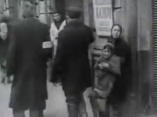
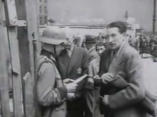
The Nazis introduced antisemitic policies one after another. Making Jews wear the Star of David was one of them. In Poland, Jews were confined in ghettos. Cut off from the outside world, these ghettos were overwhelmed by hunger and disease, and human dignity was utterly trampled.
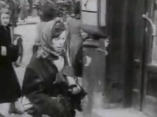 tattered clothes
a woman wearing
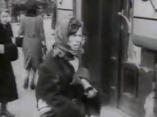
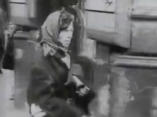
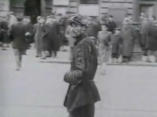
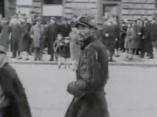
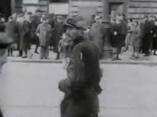 tattered clothes
a man wearing
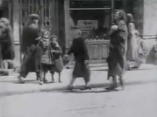 Holding a baby,
A woman walking and crying, looking up to the sky
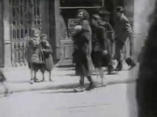
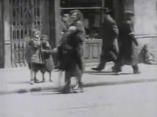
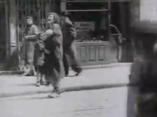
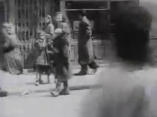
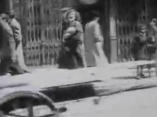
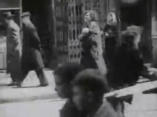
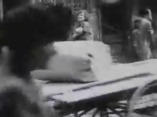
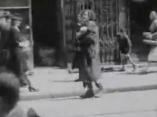
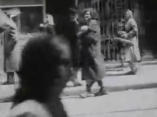
In the capital, Warsaw, Germans consumed 2,300 calories a day. Poles received 900. Jews in the ghetto had just 180. People died of starvation without end.
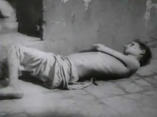
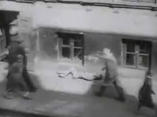
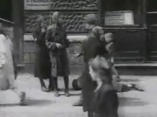 A body by the roadside. Some pass by; others show concern. →
People in the ghetto recovering bodies ↓
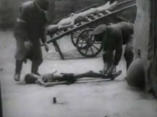
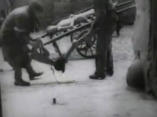
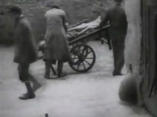
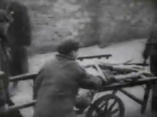
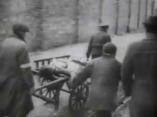
A total of six hundred thousand Jews died in ghettos under German occupation.
Deportation and Massacre
December 1941, Stuttgart. A thousand Jews finished their last meal. They were about to be deported eastward. By now, many Aryan Germans also knew where they were going.
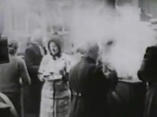
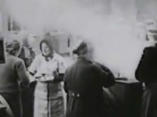
 Lining Up for Food Relief
Jewish People
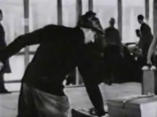 in the luggage storage area
Placing the suitcase
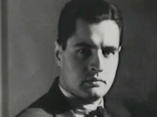
Peter Bielenberg had resisted the Nazis since his days as a law student and viewed the deportation of Jews with suspicion.
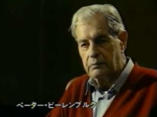
Peter Bielenberg: “This was what I imagined: Jews taken away by the Nazis would be put to forced labor as long as they were healthy. Once they were no longer healthy, they would die of hunger and cold. So I was aware that Jews were being murdered to some extent. But I never imagined it was on such a scale.”
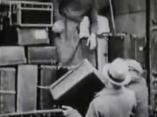
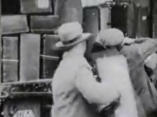
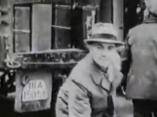
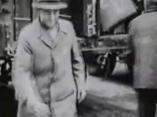
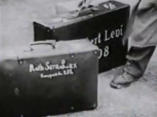 Suits on the loading platform …
Jewish people loading cases
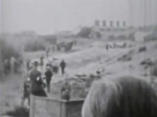 Sand dunes at Libau, Latvia
Note: Though difficult to make out in the photograph, a rectangular execution pit about two meters deep lies toward the back.
The dunes of Libau, Latvia, in 1941.
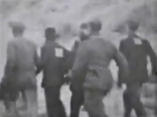 The Jews
to be shot dead
forced to run, then taken to a hollow
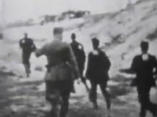
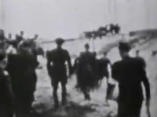
This footage was taken by a German naval officer on leave who happened upon the execution of Jews.
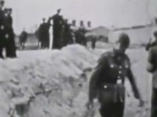
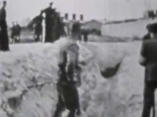
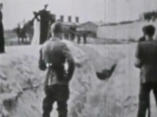
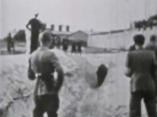 Several people
lining up in a single row
and shots are fired from the upper left
Thousands of German Jews were thus taken to Latvia and murdered. But the bloodthirsty Nazi executioners did not merely wait for victims to be brought to them. They also formed special units that traveled from place to place, hunting down Jews and killing them.
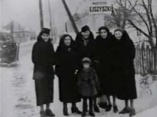
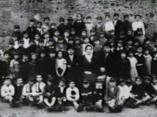
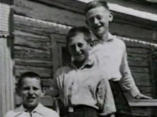
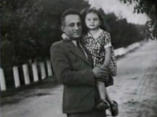
There were 3,500 Jews living in Eishishki, Lithuania. In September 1941, the Nazis took the Jews outside the town. Zvi Michaeli was sixteen at the time.
Zvi Michaeli: “They took us to the edge of a pit and ordered everyone to undress. When I saw even the rabbi taking off his clothes, I thought it was all over. I heard the rabbi reading aloud from the Old Testament. We had been so certain that nothing like this would ever happen to us...
Then my father—[footage missing]—I would not let go of him. Then they fired at us with a machine gun. Screams, cries and gunfire mingled. Dust rose in thick clouds. When I came to, I was lying in the pit. My father had pushed me away and then fallen on top of me, shielding me. How extraordinary. My father was trying to keep me alive.” (Note)
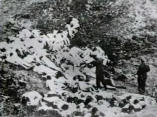
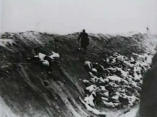
Such shootings took place in thousands of towns and villages. Jürgen Kröger served as an interpreter for one execution squad.
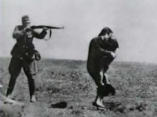 A young child …
Embraced
A gun aimed at a mother
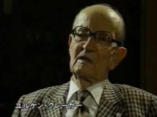
Jürgen Kröger: "They were convinced the Jews were an inferior race. One of the men told me: Imagine a rosebush here. The Jews are like aphids lurking in that bush. You have to get rid of aphids. To them it was like killing insects. And he also said: I don't like killing people. But this is necessary work."
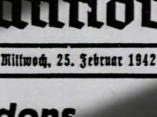
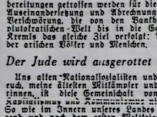
Ordinary Germans were not told how the massacres were carried out. The goal, however, was public. A Hanover newspaper carried this headline in 1942: The Jews Must Be Exterminated.
A Ticket to Auschwitz
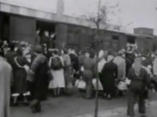
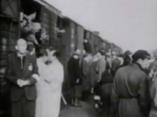
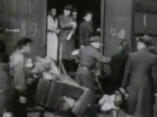
Westerbork in the Netherlands: the departure point for trains deporting Jews. Hans Margules, who had fled Berlin for the Netherlands, was captured by German forces and ordered to help with the deportations.
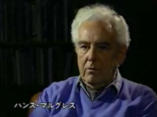
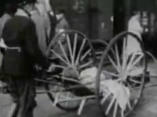
Hans Margules: "My job was to put the Jews named on the deportation lists aboard the train at six in the morning. Those too weak to walk were carried to the train on carts."
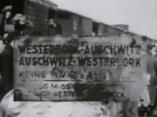 Auschwitz
A ticket to...
At the time, Margules had no idea what Auschwitz, the train’s destination, was like.
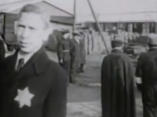
Hans Margles: "We had never imagined there were concentration camps for the mass murder of Jews. Had we known, we could not have continued the work.
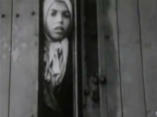
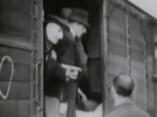
Here the Jews are saying goodbye to one another. Everyone was saying things like, 'We'll see each other again soon.'
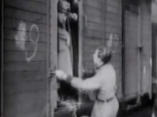
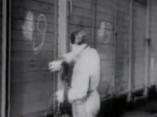
The man closing the door is me. You cannot see him in the picture, but an SS man stood behind me giving orders. There was no way I could defy them and refuse the work.’
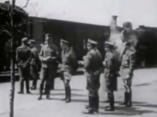
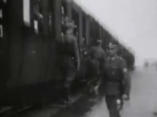
The German state railway billed the SS for transporting the Jews. For SS personnel, it charged return fares. For the Jews, of course, only one-way fares. During the journey, they were given almost no water, let alone food. Many died before reaching the camps.
End of the Line: Auschwitz
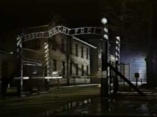
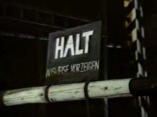
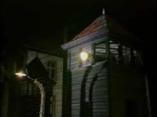
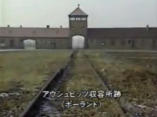 Auschwitz
The Former Camp Site
(Poland)
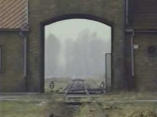
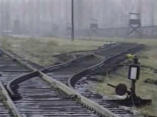
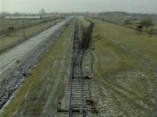
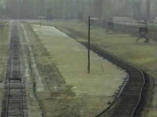
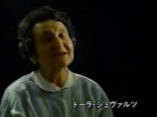
Dora Schwarz: “We had no idea where we had been brought. We suspected this was a place that meant death. Sinister smoke came out of the chimneys...it was a horrifying sight. We realized that this would eventually be our fate too.”
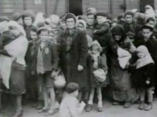
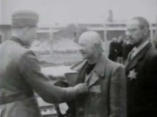
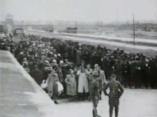
The railway tracks ran into the camp itself. This truly was the end of the line. Arriving prisoners were first separated into men and women. Then doctors selected those fit for labor and those to be killed immediately.
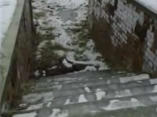 Remains of an Underground Gas Chamber
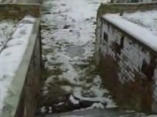
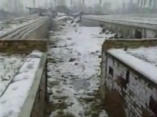
At that moment, Dora Schwarz narrowly escaped being sent to the gas chamber.
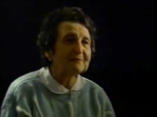
Dora Schwarz: "I was lucky. When the doctor made the selection, I was among mothers with children, but one of the staff ordered me to join another group. The women with children were sent straight to the gas chamber afterward. I escaped by a hair's breadth. It was truly a narrow escape from death."
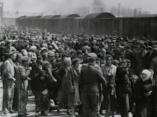
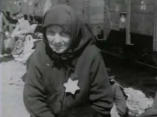
Photographs showing prisoners being selected, taken by the SS in 1944. Unloading luggage from freight cars was the prisoners' job.
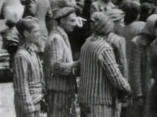
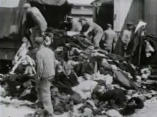
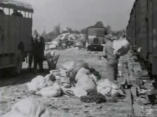
Norbert Lopper, deported from Vienna, also joined this work detail.
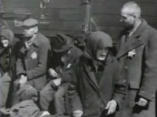
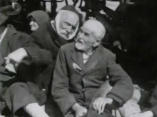
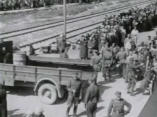
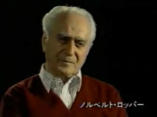
Norbert Lopper: ‘Everyone in this picture was sick and unable to walk. We helped them onto a truck. That truck took them to the gas chamber. I cannot forget the arrival of a train carrying children.
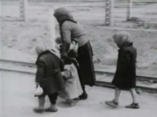
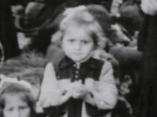
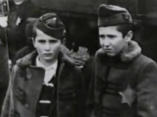
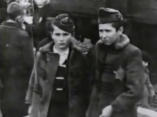
Each child clutched a bread roll tightly. I can still picture them. The bread was confiscated, of course. Then the children took the hands of the nurses who had accompanied them and headed to the gas chamber."
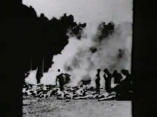
Prisoners' bodies being burned outdoors. By the summer of 1944, the crematoria alone could no longer cope with the ever-growing number of corpses. The number of Jews murdered by the Nazis because they did not fit their racial policy is said to be six million. The number of Roma killed for the same reason reached 500,000.
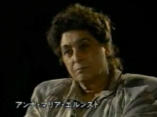
Anna Maria Ernst: ‘We simply cannot understand why the Nazis did such things. Why did they do something so terrible? How could they be so cruel? We cannot understand it at all.’
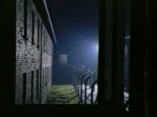
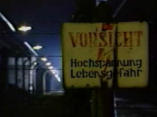
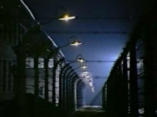
The Scars of Delusion
Heinrich Himmler's speech: 'We fulfilled this difficult task out of love for our people. We have suffered no injury whatsoever to our own souls or our character.'
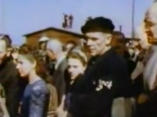
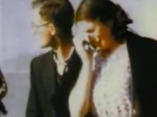
After the war, the delusion of belonging to a superior race confronted Germans with a nightmare reality. When concentration camps were liberated and local Germans entered them, they were appalled to discover the true nature of the madness that had possessed them.
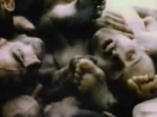
Piles of corpses.
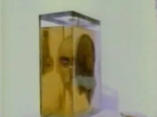
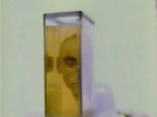
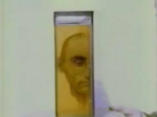
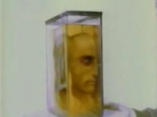
Traces of medical experiments.
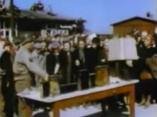
Objects made from human bodies.
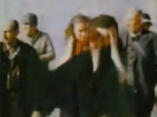
The scar that a single delusion left on twentieth-century history was unimaginably deep.
〈End〉