
The Plot to Assassinate Hitler
Introduction
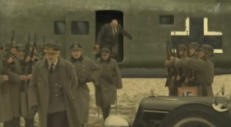
〈This production combines contemporary footage and dramatization.〉
Production
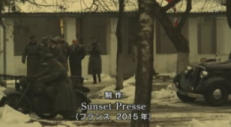
Sunset Presse
(France, 2015)
Plots to Assassinate Hitler
Kill Hitler The Luck of the Devil
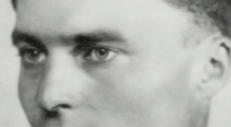
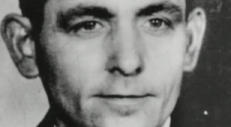
Georg Elser, Henning von Tresckow, Fabian von Schlabrendorff,
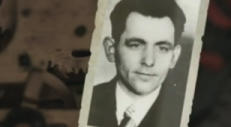 |
| Georg Elser |
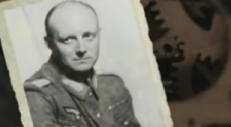 |
| Henning von Tresckow |
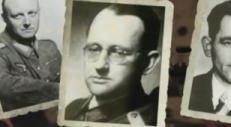 |
| Fabian von Schlabrendorff |
Rudolf von Gersdorff and Claus von Stauffenberg.
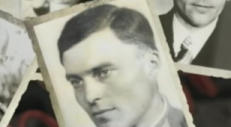 |
| Claus von Stauffenberg |
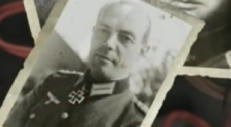 |
| Rudolf von Gersdorff |
One ordinary craftsman and four soldiers of aristocratic birth. These five men plotted to assassinate Hitler. But they did not know that he was protected by a devil's luck.
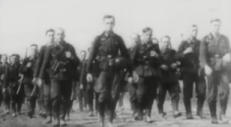
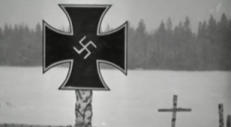
In June 1941, German troops invaded the Soviet Union. Hitler, planning world conquest, promised his soldiers victory. But the fighting dragged on, and Germany suffered heavy casualties. Hitler’s grandiose dream vanished in Russia’s freezing winds.
Colonel Claus von Stauffenberg, Chief of Staff, German Replacement Army
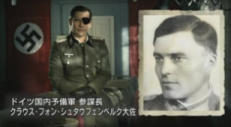
Hitler is a foolish criminal.
Our task is not to persuade Hitler. It is to kill him.
Is there no one at supreme headquarters capable of killing this beast?
Even at the heart of Hitler's regime, there were people determined to assassinate him. More than thirty assassination plots devised after he seized power ended in failure. The devil was on his side.
Berlin, 1934
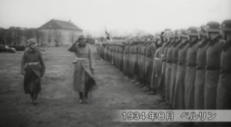
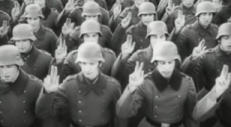
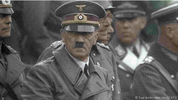
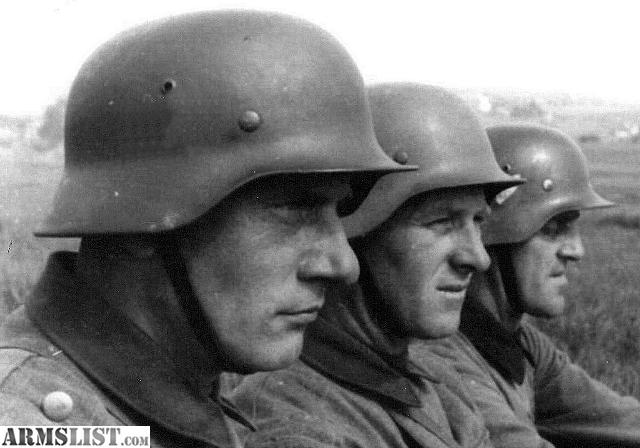
In 1934, Hitler added presidential powers to his chancellorship and took the title Führer. He also became supreme commander of the Wehrmacht. Soldiers swore obedience and loyalty to him, and officers became his direct subordinates.
Colonel Rudolf Christoph von Gersdorff, German Army Group Centre (Eastern Front)
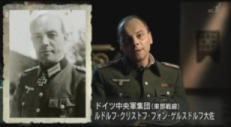
We all felt uneasy.
From the standpoint of the legitimate traditions of the German army, Hitler was an outsider, and a contemptible man at that.
Yet that was the person to whom we had sworn loyalty.
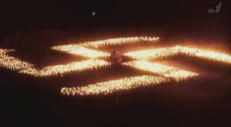
Officers like Gersdorff who criticized Nazi methods were a minority. In the late 1930s, Hitler enjoyed the support of nearly ninety percent of Germans. Millions were enthusiastic about him.
The Plan of Clockmaker Johann Georg Elser
Munich, Autumn 1939
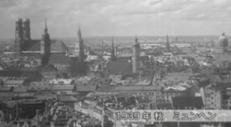
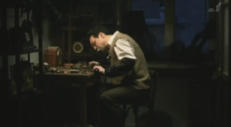
Meanwhile, in Munich, a lone cabinetmaker was preparing to act. His name was Johann Georg Elser. He had secretly spent three months making a bomb.
Meanwhile, some generals, centered on Army Chief of Staff Ludwig Beck, were also plotting rebellion.
Cabinetmaker Johann Georg Elser
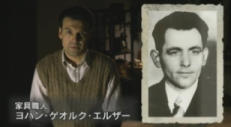
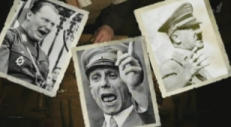
The only way to change this situation is to remove those in power.
By those in power I mean Hitler and his close associates Göring and Goebbels.
If these three are removed, new leaders will emerge.
I hope that, as a result, the social conditions of the working class will improve.
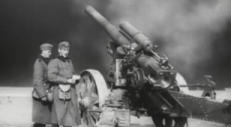
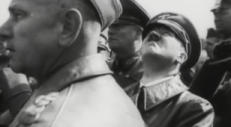
On September 1, 1939, German forces invaded Poland.
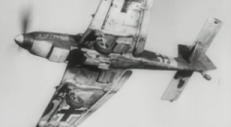
German forces began indiscriminate attacks on the capital, Warsaw. It was a practical rehearsal for warfare in which civilians were the first victims.
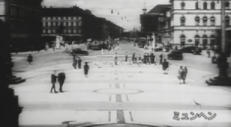 |
| Munich |
In Munich, the cabinetmaker Elser was steadily making preparations.
Cabinetmaker Johann Georg Elser
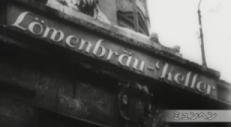 |
| Bürgerbräukeller |
 |
| November 6 |
I visited the beer hall and realized I could hide in a storeroom if I passed through the restroom into the unlocked hall.
Moreover, the exit door right nearby was in a blind spot.
After eating at the beer hall, Elser hid in a storeroom and waited for closing time. Over more than a month he hollowed out a pillar. On November 6 he finally installed a bomb in the cavity. He set the timer for between 9:15 and 9:30 p.m. on November 8.
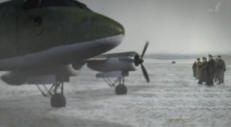
On November 8, Hitler boarded his private aircraft and left for Munich. He preferred planes to trains because they let him visit several places in one day.
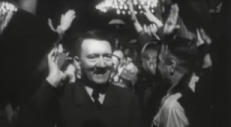
Hitler arrived at the beer hall before 8 p.m. He took the podium at precisely 8:08. By 8:58, he had finished his speech. At 9:09, Hitler left the hall. Because the weather had worsened, he had changed his means of transport from plane to train. Hitler's decision to cut his speech short ruined Elser's meticulous plan. At 9:20, the bomb exploded. Many people were killed or injured. Hitler had already departed for Berlin.
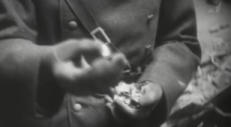
An hour after the explosion, investigators found bomb fragments. They established that the timer had been made from clock parts. This information greatly advanced the investigation, which was resolved in just one day. Elser was arrested while trying to cross into Switzerland.
Cabinetmaker Johann Georg Elser
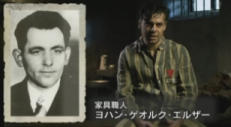
I had only one motive.
All I wanted was for the conditions in which so many workers lived to improve.
No one incited me, nor was I under any outside influence.
I had never even listened to Moscow radio calling for the overthrow of the German government.
I did it simply to prevent still more bloodshed.
I acted entirely alone. I never doubted that it was a worthwhile act.
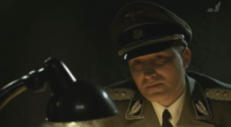
The German authorities could scarcely believe it. An ordinary civilian, acting entirely alone, had come close to assassinating Hitler.
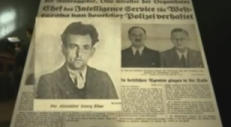
The authorities believed it was a British conspiracy and had newspapers print photographs of two intelligence officers alongside Elser's. Elser was sent to a concentration camp to await a trial intended to prove British involvement. Had the weather not changed, Hitler might have been killed in the explosion, and the world that followed might have been entirely different.
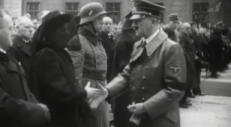
Hitler turned Elser's failure to his advantage, declaring, “I am protected by divine providence.” After the victims' funeral, an SS intelligence report stated: “The bombing in Munich has strengthened national solidarity and feelings of affection and respect for the Führer.”
The Expanding Front
Having largely subdued Poland, Hitler next turned toward Western Europe. On May 10, 1940, German forces began attacking the Netherlands, Belgium and France. The French army, thought to be militarily superior, lasted only five weeks. Germany's bold blitzkrieg tactics overwhelmed a French army troubled by problems in its chain of command.
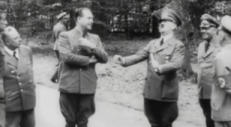
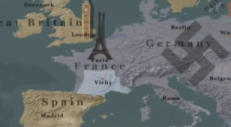
On June 21, French Prime Minister Pétain requested an armistice. France had lost. Wilhelm Keitel, Chief of the High Command of the German Armed Forces, hailed Hitler as the greatest military leader in history.
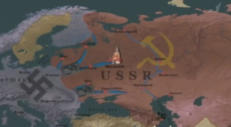
After victory on the Western Front, Hitler’s next target lay east: the Soviet Union, which he called the empire of Jewish communism. On June 22, 1941, he launched Operation Barbarossa, sending 125 divisions into the Soviet Union.
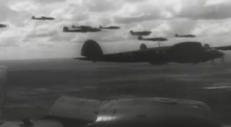
First, thousands of aircraft destroyed the Soviet garrisons within hours. A vast force of five million officers and men and 4,300 tanks split into three and invaded toward Leningrad in the north, Moscow in the east, and Ukraine and the Caucasus in the south.
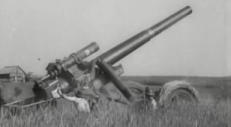
It was the largest operation in history. German troops brought Leningrad within artillery range, advanced to within a few dozen kilometers of Moscow, and captured Kyiv.
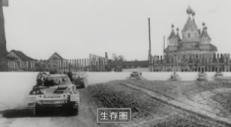 |
| Lebensraum (living space) |
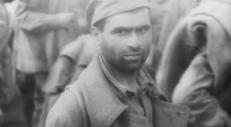
Hitler's ambition to expand living space for the German people knew no bounds. Few captured Soviet soldiers survived. Keitel had authorized his subordinate officers to execute prisoners.
Colonel Rudolf Christoph von Gersdorff, German Army Group Centre (Eastern Front)
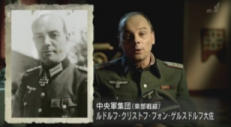
A terrible document arrived.
It bore Hitler's signature and ordered that all political commissars in leadership positions among captured Soviet soldiers be shot on the spot.
The inhumanity of Hitler's orders surpassed that of any previous war. Mobile killing squads accompanied Wehrmacht units, shooting anyone deemed an enemy indiscriminately. No legal responsibility was imposed for these atrocities. Many victims were Communists or Jews.
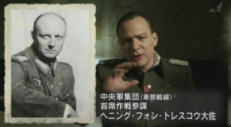
Colonel Henning von Tresckow, Chief Operations Officer, Army Group Centre (Eastern Front)
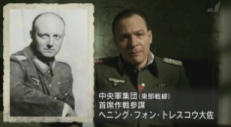
We are soldiers, not hired killers.
As long as I am chief operations officer of Army Group Center, I will not allow prisoners to be executed.
Unless we act now, the world will remember the German army's barbarity for hundreds of years to come.
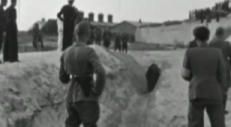
People were stripped, made to dig their own graves and left to await execution by shooting. Millions, including children, were murdered in the Holocaust by bullets.
Lieutenant Fabian von Schlabrendorff, Tresckow's adjutant
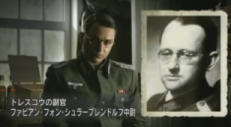
Hitler and his entourage are nothing more than criminals.
Their unlawful methods are unworthy of a civilized nation.
They will disgrace Germany's honor and lead the country to ruin.
Schlabrendorff served as Tresckow's aide. Tresckow gathered trusted associates and developed plans to assassinate Hitler. Every assassination plan failed. Hitler's security was tightened, and his schedule and movements were kept strictly secret.
Colonel Henning von Tresckow, Chief Operations Officer, Army Group Centre (Eastern Front)
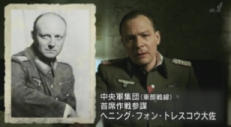
Hitler's chief adjutant told me that, against an attack with firearms, Hitler protected his vital organs with a bulletproof vest and his head with steel lining inside his cap.
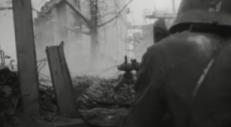
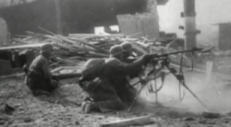
Summer 1942. German forces began their assault on Stalingrad. The world watched the struggle between Germany and the Soviet Union. This greatest battle of the Second World War lasted until February 1943 and claimed two million casualties. In this battle, which became a symbol of the German-Soviet war, Hitler forbade retreat. Encircled by Soviet troops, German soldiers suffered from hunger and cold.
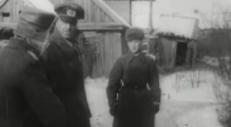
February 2, 1943. More than 90,000 officers and men finally surrendered, including their commander, Field Marshal Friedrich Paulus. The Battle of Stalingrad ended the myth of Hitler's invincibility. After this defeat, many officers realized that Hitler had deceived them. They resolved to turn against the Führer to whom they had once sworn loyalty.
Colonel Tresckow's Plan to Bomb an Aircraft
March 18, 1943 — German Army Group Centre headquarters, Smolensk, Soviet Union
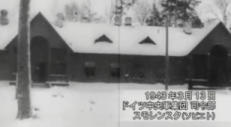
At headquarters in Smolensk on the Eastern Front, Tresckow waited for an opportunity.
Colonel Henning von Tresckow, Chief Operations Officer, Army Group Centre (Eastern Front)
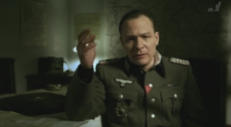
We learned that Hitler would visit Smolensk on an inspection tour.
This was a unique opportunity.
The German army, which merely obeyed orders, lacked the power to stage a coup.
I had to do it myself.
There was no other choice if we were to preserve our dignity and self-respect.
Lieutenant Fabian von Schlabrendorff, Tresckow's adjutant
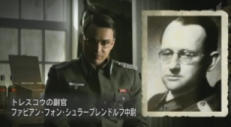
They made the final preparations themselves.
Colonel Tresckow's plan was as follows.
First, two explosive devices, to ensure the target was killed.
These would be wrapped to look like two bottles of liqueur.
They also installed a mechanism allowing the fuse to be activated without opening the package.
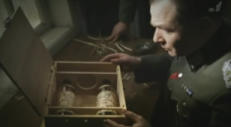
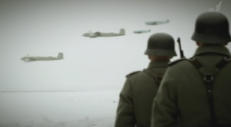
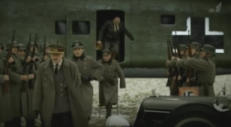
Two identical aircraft flew to Smolensk so that no one could tell which one carried Hitler. Fighter planes provided an escort as well.
Hitler met with senior officials in the morning. Lunch was prepared in the officers' dining room.
Colonel Henning von Tresckow, Chief Operations Officer, Army Group Centre (Eastern Front)
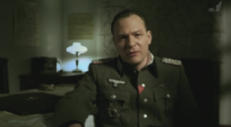
Surrounded by soldiers actually fighting at the front, Hitler was in high spirits.
His personal cook and doctor accompanied him on the inspection.
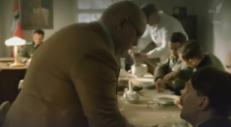
Hitler had as many as twelve food tasters. He trusted no one.
Colonel Henning von Tresckow, Chief Operations Officer, Army Group Centre (Eastern Front)
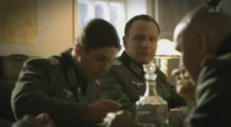
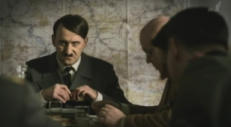
He ate hunched over, with his elbows resting on the table.
Hitler's table manners were unsightly.
Hitler would be leaving very soon.
I said the following to Lieutenant Colonel Brandt, who was taking the same aircraft.
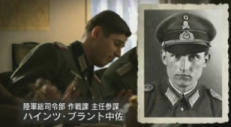 |
| Army High Command, Operations Section Senior Staff Officer Lieutenant Colonel Heinz Brandt |
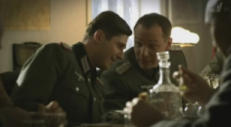
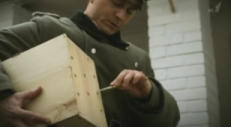
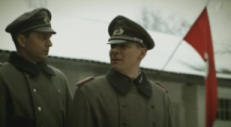
Lieutenant Colonel Brandt agreed to Tresckow's request. All that remained was to set the fuse. Confident of success, Tresckow and Schlabrendorff watched the plane take off on what they expected to be its descent into hell.
Colonel Henning von Tresckow, Chief Operations Officer, Army Group Centre (Eastern Front)
Hitler's plane had special safety equipment.
The interior was divided into several separate compartments, and Hitler's cabin was equipped to allow him to escape by parachute.
So enough explosives were needed to blow up the entire aircraft.
Even if the expected huge explosion did not occur, the aircraft should crash if its body broke apart.
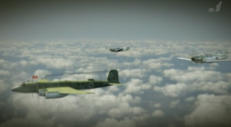
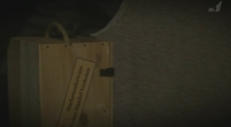
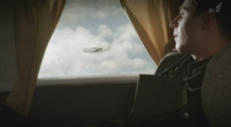
Escorted by fighter aircraft, Hitler's plane was heading for Berlin. The bomb lay at the feet of the unsuspecting Lieutenant Colonel Brandt.
At headquarters in Smolensk, the two men waited beside the radio.
Lieutenant Fabian von Schlabrendorff, Tresckow's adjutant
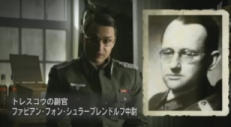
By our calculations, the explosion should have occurred thirty minutes after takeoff, as the aircraft approached Minsk.
We waited anxiously for news that the Führer's aircraft had exploded, but heard nothing.
Finally, two hours later, a message arrived from Berlin.
“After inspecting the Eastern Front, the Führer returned safely to Berlin and arrived at headquarters on schedule.”
We had to face reality.
The plan had failed. Both the colonel and I were stunned.
The two men had to recover the unexploded bomb as quickly as possible. Schlabrendorff immediately flew to Berlin and safely retrieved it. Another opportunity later came their way.
The Museum Plot to Bomb Hitler
Colonel Henning von Tresckow, Chief Operations Officer, Army Group Centre (Eastern Front)
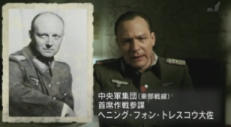
A ceremony was to be held at the museum.
It was an ideal opportunity.
Hitler, SS chief Himmler, and Reich Marshal Göring were all scheduled to attend.
We were prepared to sacrifice our own lives.
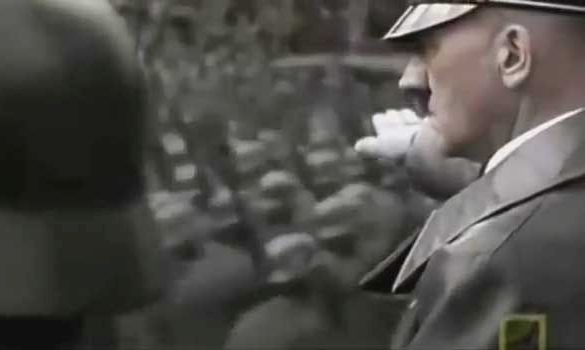
At the museum, Hitler was greeted by Göring, Himmler, Keitel, and others.
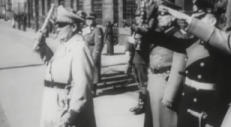
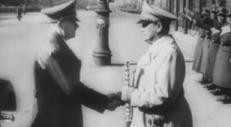
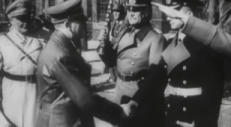
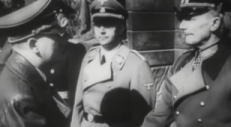
Colonel Henning von Tresckow, Chief Operations Officer, Army Group Centre (Eastern Front)
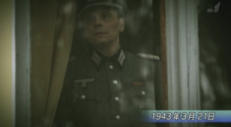 |
| March 21, 1943 |
After thinking briefly, he said, “I will accept this mission. To save the country.”
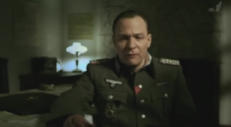
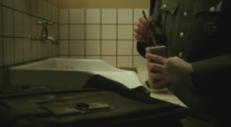
Gersdorff, who was to carry out the assassination, had been advised to conceal bombs in both sleeves of his jacket, set the fuses at the right moment, and get as close to Hitler as possible.
If he was prepared to sacrifice his own life, this method should be certain to kill Hitler.
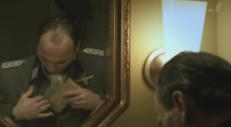
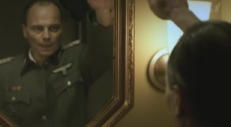
Hitler was scheduled to inspect weapons captured from the Soviets at a museum. Gersdorff had been assigned as his guide. Because he would raise his right hand to salute, Gersdorff concealed the bomb on his left side. Once the fuse was set, he had fifteen minutes. He would get as close to Hitler as possible and carry out his mission.
Colonel Rudolf Christoph von Gersdorff, Army Group Centre (Eastern Front)
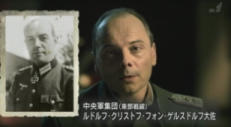
When Hitler entered the exhibition room, his adjutant Rudolf Schmundt came over and told me there were five minutes to view the exhibits.
That made carrying out the plan physically impossible.
I needed at least ten minutes.
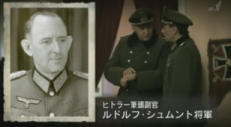 |
| Hitler's chief adjutant General Rudolf Schmundt |
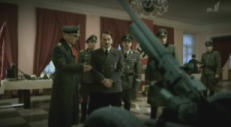
For Gersdorff, these were the longest five minutes of his life. He was prepared to blow himself up and take the dictator with him. Hitler left the exhibition room in less than ten minutes. His visit was over. He left the building almost as though he had sensed danger, escaping with his life. The detonator was running, but the explosion had not occurred.
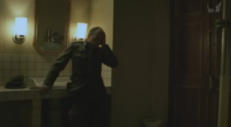
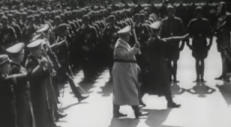
Gersdorff rushed to the lavatory and removed the fuses just in time. The plan had failed. It was the second failure, following the liqueur bomb a week earlier. Unaware that he had narrowly escaped death, Hitler attended a military parade on a Berlin boulevard. Two further assassination attempts were subsequently planned, but both failed.
Erwin Rommel
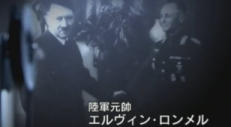 |
| Field Marshal Erwin Rommel |
German forces struggled on the Eastern Front. Meanwhile, on the Western Front, the Allies were preparing the Normandy landings. Hitler's trump card was Rommel, promoted to field marshal for his achievements in Africa. Rommel was one of the best-known figures in Nazi propaganda films.
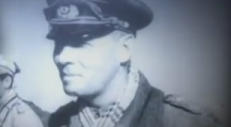
The officers plotting Hitler's assassination were desperate to recruit Rommel, who was popular with the public. But Rommel was reluctant to agree.
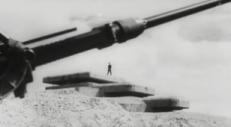
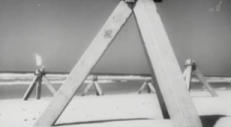
In November 1943, Hitler sent Rommel to the Atlantic Wall, the defensive line along the French coast, to prevent an Allied landing.
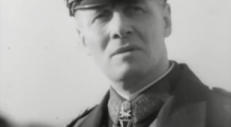
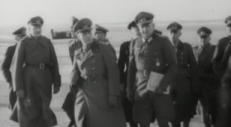
Rommel predicted that the Allies would land in Normandy, saying: That day will be the longest day.
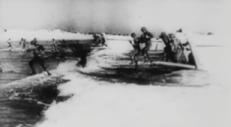
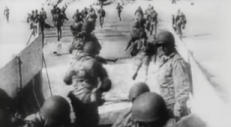
On June 6, 1944, 20,000 vehicles and 156,000 officers and men landed on the Normandy coast from a vast fleet including 1,213 warships, 736 support vessels, and 864 cargo transports. The Allies began an overwhelming advance toward Berlin.
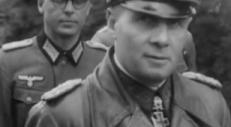
Recognizing that defeat was inevitable, Rommel was exploring armistice negotiations with both the British and the Americans. Hitler’s opponents again tried to persuade him, but he hesitated over the plan to take Hitler’s life. Rommel believed that even if Hitler were removed, he should be arrested and put on trial. He opposed assassination.
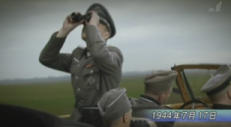 |
| July 17, 1944 |
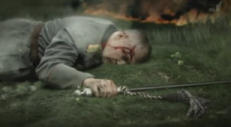
On July 17, while inspecting frontline units by car, Rommel was attacked by an Allied fighter. His driver was killed instantly. The car spun and plunged into a ditch. The aircraft had already flown away. Rommel suffered a serious head injury. For Hitler's opponents, this was an immeasurable loss. They had lost the most respected figure capable of uniting them behind a common cause.
Valkyrie
Colonel Claus von Stauffenberg, Chief of Staff, German Replacement Army
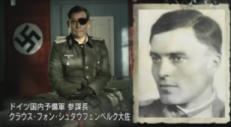
The generals had achieved nothing.
Now it was our turn. As officers, our duty was to save our country.
This plan, sworn before God and our own consciences, had to be carried out.
Because Hitler was the devil.
July 20, 1944
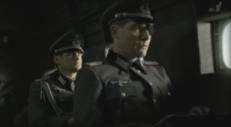
July 20, 1944. Stauffenberg and his aide Werner von Haeften were on their way to the Führer's headquarters near Rastenburg in East Prussia, known as the Wolf's Lair. Stauffenberg had hidden two bombs in his briefcase.
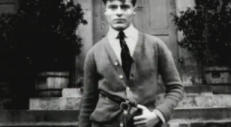
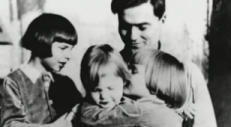
Stauffenberg came from an aristocratic family and initially supported Hitler. A capable officer, he was assigned to North Africa under Rommel.
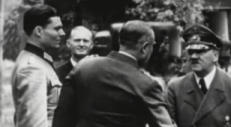
In April 1943, Stauffenberg was severely wounded in combat, losing his left eye, right hand, and the little and ring fingers of his left hand. During his recovery he reassessed himself and joined the opposition to Hitler. He was later assigned to the Replacement Army headquarters, giving him opportunities to meet Hitler at close quarters.
A plan to assemble and mobilize the Reserve Army in the event of an emergency within Germany
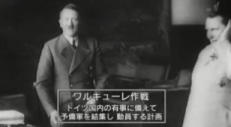
He secretly revised Operation Valkyrie to make it easier to use for a coup. All that remained was Hitler's signature. Hitler signed without even reading the document.
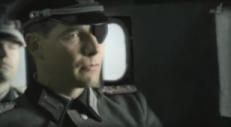
Everything was ready. Activating the revised Operation Valkyrie was supposed to secure control of Berlin. Stauffenberg intended to take Germany's fate into his own hands.
11:30 a.m., Führer headquarters 'Wolf's Lair,' Rastenburg
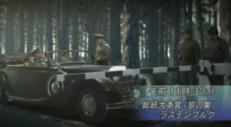
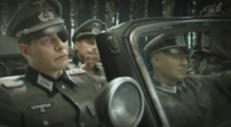
After a two-and-a-half-hour flight, Stauffenberg and Haeften arrived at the Wolf's Lair.
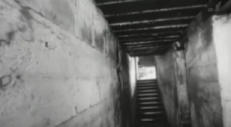
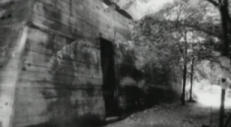
The military conferences were normally held in a building with thick concrete walls. It was tightly enclosed and windowless: an ideal place to maximize an explosion's force. But because it was hot that day, the meeting venue was changed at short notice.
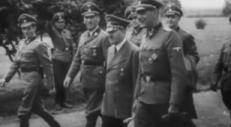
At 12:20, after greeting Hitler and his entourage, Stauffenberg asked to change his shirt. Here he encountered another miscalculation. Mussolini was due that afternoon, and the meeting had been brought forward at the last moment.
Colonel Claus von Stauffenberg, Chief of Staff, German Replacement Army
I asked to use the washroom.
As you can see, I had severe disabilities, so no one objected.
In the replacement conference room, the blast could not be expected to be as lethal as in a concrete building.
That made it necessary to prepare the bombs with even greater care.
After receiving the bombs from Haeften, I inserted a detonator into each and set the first timer.
Then someone knocked at the door.
One of their comrades, Fellgiebel, was calling on the telephone.
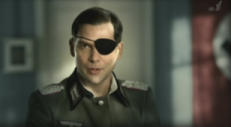
He managed to arm one, but there was no time for the second, which went into Haeften's bag.
Still, it should work.
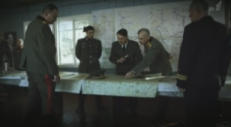
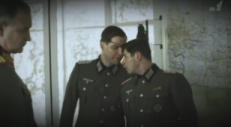
At 12:25, some twenty senior officers surrounded Hitler. As Keitel reported on the Eastern Front, Hitler listened intently, checking positions on the map. At 12:30, Stauffenberg entered and successfully took a place on Hitler's right. Beside him stood Brandt, who had once been made to carry the liquor-bottle bomb.
Colonel Claus von Stauffenberg, Chief of Staff, German Replacement Army
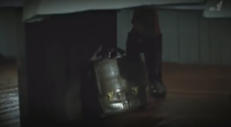
I placed the briefcase containing the bomb under the table, at Brandt's feet.
Then I told him I would have to leave the room briefly to make an urgent telephone call.
The officers there often made urgent calls, so it would not seem unusual.
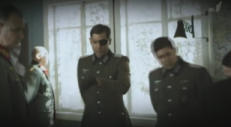
Everything was ready.
All that remained was to leave the room on the pretext of a telephone call.
12:35 p.m.
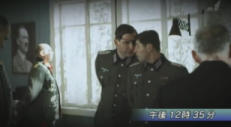
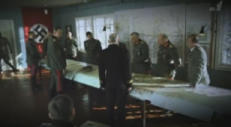 |
| Stauffenberg leaving |
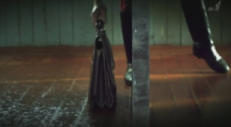
Finding the bag at his feet in the way, Brandt moved it to the other side of the thick leg supporting the heavy oak table. This casual action became the decisive factor shielding Hitler from the explosion.
Stauffenberg was already outside the building.
12:40 p.m.
12:40 p.m.
Colonel Claus von Stauffenberg, Chief of Staff, German Replacement Army
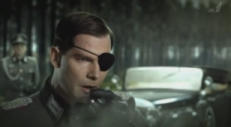
I felt the blast on my cheek.
No one could survive that explosion.
Hitler was dead.
The conference room was blown apart. Guards and soldiers rushed to the wounded amid utter confusion. Stauffenberg was convinced Hitler was dead because he had seen a body on a stretcher.
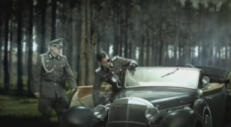
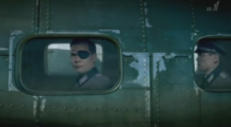
12:47. Stauffenberg and Haeften hurried into their car to return to Berlin as quickly as possible. They believed their comrades had cut communications at the Wolf's Lair. But isolating it was not so simple. Conflicting reports began circulating about whether Hitler was alive or dead.
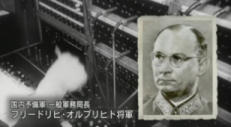 |
| Chief of the General Army Office, Replacement Army General Friedrich Olbricht |
At 1:15, Stauffenberg took off for Berlin. As far as he had seen, the operation had succeeded. But events did not follow the plan. Without a definite report that the assassination had succeeded, General Olbricht had not yet activated Operation Valkyrie. Three precious hours were lost before Stauffenberg arrived and announced Hitler's death.
Four in the afternoon. Operation Valkyrie was finally activated. The orders were concise: disarm the SS and immediately arrest all its commanders, along with Göring, Bormann, Himmler and Goebbels.
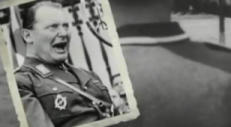
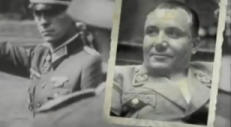
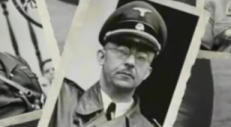
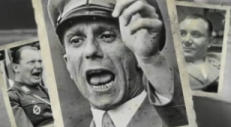
But the order was never carried out. Suddenly Hitler's voice rang out from every loudspeaker in town: 'Ambitious officers plotted to eliminate me.'
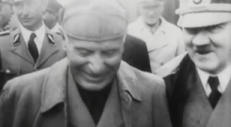
Hitler was alive. Only hours after the explosion, he was welcoming Mussolini. Hitler said, “Nothing bad can happen to me, for God has given me a mission. This incident has proved it.”
A briefcase moved from its original position. A sturdy table. A conference room with windows. A second bomb that could not be used. A combination of coincidences miraculously saved Hitler.
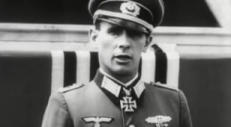 |
| Guard Battalion Commander Major Remer |
In Berlin, reprisals against the conspirators began. Major Remer, commander of the guard battalion, had been ordered to arrest Goebbels. But Goebbels telephoned Hitler and had him speak directly to Remer. The hunt for the conspirators began. Operation Valkyrie had collapsed.
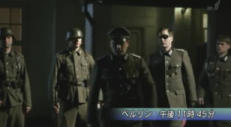
Berlin, 11:45 p.m.
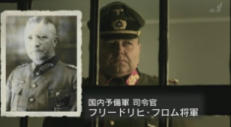 |
| Commander of the Replacement Army General Friedrich Fromm |
That night, Colonel Stauffenberg, his adjutant Haeften, and General Olbricht were sentenced to death by General Fromm, commander of the Replacement Army. Fromm had tacitly tolerated the assassination plot. These executions were intended to silence them.
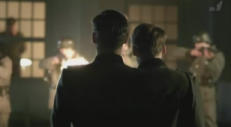
Shortly after midnight, they were shot. Hitler had their bodies, which had been given military burials, exhumed, stripped of their decorations, and cremated.
Eastern Front, July 21, 1944
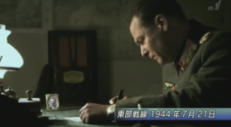
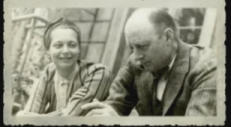
Meanwhile, Tresckow, a central figure in the assassination plot, was writing his final letter on the Eastern Front. To protect his family, he decided to make it appear that he had been killed by the enemy. If he killed himself at the front, he could pass it off as death in battle.
July 21 was a beautiful morning. In his farewell words to his wife, Tresckow said:
Colonel Henning von Tresckow, Chief Operations Officer, Army Group Centre (Eastern Front)
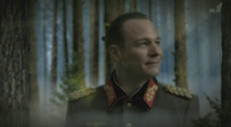
"Keep the dreams you imagined as a child alive in your heart.
Even if the whole world mocks you, live by those dreams until the day your life ends.
Such a person is a true human being.
The world will attack and revile us.
But I am still convinced that what we did was right.
Hitler is an enemy not only of Germany, but of the whole world."
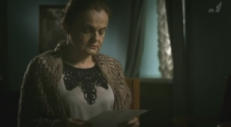
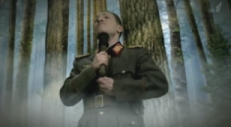
“When I stand before God and speak of what I have done and left undone, I believe I can justify my actions in the struggle against Hitler.
Just as God promised not to destroy Sodom for the sake of ten righteous people, I hope that Germany will be spared for our sake.
At the end, I wanted your approval.
But I do not want them to take my life.
Farewell. We shall meet again in heaven.”
Execution
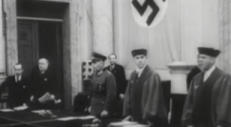
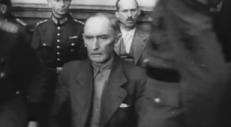
Those who took part in the plot to assassinate Hitler were expelled from the armed forces and put on trial. Their sentence was death.
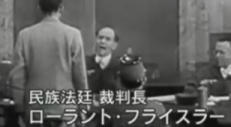 |
| Presiding Judge, People's Court Roland Freisler |
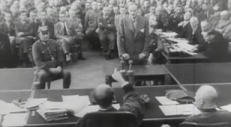
Presiding judge Roland Freisler had already sent thousands to their deaths. About two hundred people received death sentences, including one field marshal, nineteen generals, twenty-six colonels, two ambassadors, seven diplomats, one minister, and a police chief.
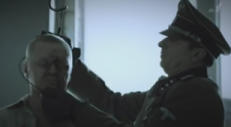
Hitler said he wanted to see them hanging like meat in a butcher's shop. Piano wire was used instead of rope to make the agony of hanging even worse.
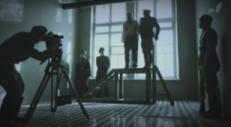
Hitler also ordered the executions filmed for his personal enjoyment. Death did not come quickly; the agony could last nearly twenty minutes. The authorities even billed the bereaved families for the cost of execution. A quarter of the money went toward the executioner's pay.
The Final Days of Rommel and Elser
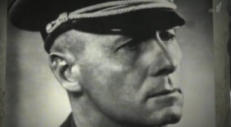
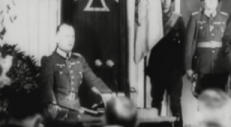
October 18, 1944. A state funeral was held for Field Marshal Erwin Rommel, once Hitler's favorite. The eulogy declared that his heart was with the Führer.
In fact, four days earlier two generals had visited Rommel's home with a ruthless bargain. After learning that Rommel's name had emerged in the coup investigation, Hitler ordered him to choose: stand trial for treason, or commit suicide and preserve his family's safety and his honor.
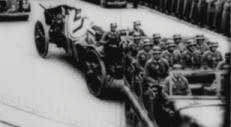 |
| Rommel's State Funeral |
After kissing his wife and son, Rommel got into the generals' car and took poison. Officially, the German army's greatest hero was said to have died from wounds sustained in battle.
Hitler had boasted of unleashing a storm upon the world, but the storm of attack was heading toward Germany.
Elser, whose beer hall assassination attempt failed in November 1939, was known in the camp as Hitler’s prisoner.
April 9, 1945 — Dachau concentration camp
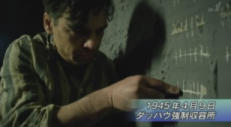
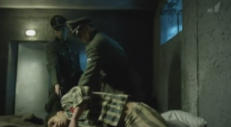
On April 9, 1945, two SS men acting on Hitler's orders shot Elser dead. Twenty days later, American forces liberated the camp. They were tragically too late to rescue the man who had tried to kill Hitler.
Hitler's End: Men of Courage
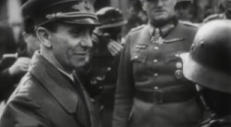
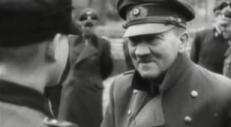
On April 20, 1945, Hitler's fifty-sixth birthday, Soviet forces were advancing on Berlin with tremendous momentum. The last army he scraped together to stop the Soviet tanks consisted entirely of children still in their mid-teens. After encouraging these boy soldiers, Hitler entered his bunker. He would never emerge alive.
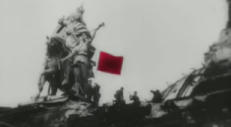
April 30, 1945. The Soviet red flag was raised over the German Reichstag. Hitler killed himself together with Eva, who had become his wife. Their bodies were carried out of the bunker, doused with gasoline, and burned. Hitler, whom so many had tried to assassinate, finally took his own life of his own accord.
Colonel Henning von Tresckow, Chief Operations Officer, Army Group Centre (Eastern Front)
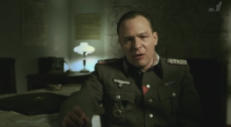
War is madness.
At its center stands Hitler.
We must kill him and save the world.
We must kill this man who threatens all humanity.
Tresckow, Gersdorff, Schlabrendorff, Stauffenberg, Elser: courageous men. All tried to kill Hitler and failed. Had even one succeeded, many lives might have been saved and world history might have been entirely different.
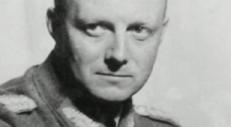
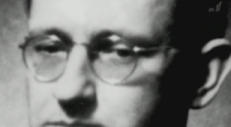
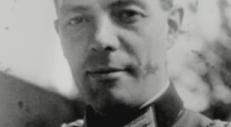
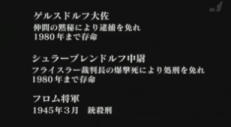
Escaped arrest thanks to his comrades' silence and lived until 1980
Escaped execution after presiding judge Freisler was killed in a bombing raid; lived until 1980
March 1945: Execution by Firing Squad
〈End〉