
Adolf Hitler — The Road to Power, Part Two
Rise in Politics
After becoming German chancellor in 1933, Hitler put into practice what he had written in Mein Kampf: ‘The stronger race drives out the weaker. The will to survive crushes the weak and makes room for the strong.’
How did Hitler seize power and become dictator and Führer?
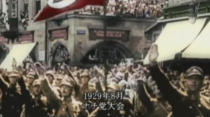
⟨August 1929: Nazi Party rally⟩ The Nazi rally held in Nuremberg in 1929. German playwright Bertolt Brecht described this as the beginning of Hitler's rise, which could have been prevented.
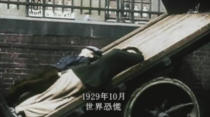
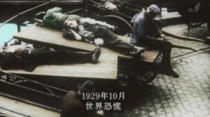
<October 1929: the Great Depression> Beginning in America, the Great Depression brought particularly severe turmoil to Germany.
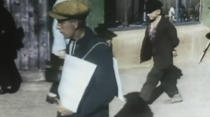
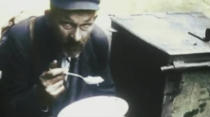
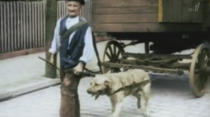
Factories closed one after another, and unemployment reached six million.
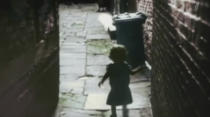
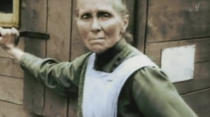
In their despair, many Germans sought salvation in the Nazi Party or the Communist Party.
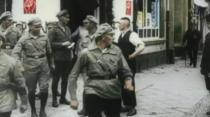
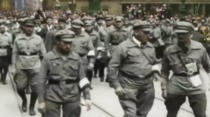
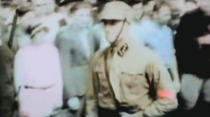
Both parties had paramilitary organizations with their own uniforms. The Communists and Nazis clashed violently at each parliamentary election.
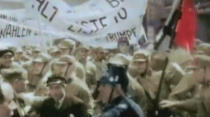
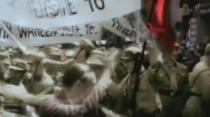
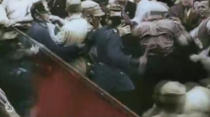 Clashes with Other Forces
and the confusion as police intervene
Hitler claimed only he could restore calm while secretly inciting riots.
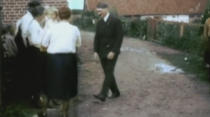
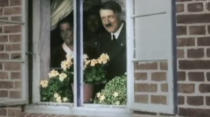
This tactic worked. Calling Marxists the ‘Red plague’ and warning of their threat, Hitler won support from small business owners and tenant farmers.
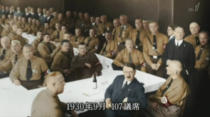
[September 1930: 107 seats] The 1930 parliamentary election produced an astonishing result. The Nazis won 107 seats, making Hitler leader of Germany's second-largest party after the Social Democrats.
Even so, the upper classes who despised Hitler remained optimistic. The Austrian Jewish writer Stefan Zweig wrote:
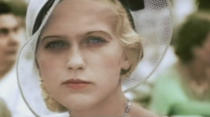
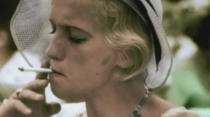
‘For the upper classes, power had always belonged to aristocrats and elites. Such arrogance dulled the judgment of intellectuals.’
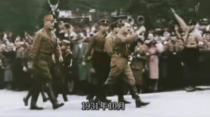
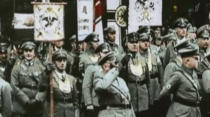
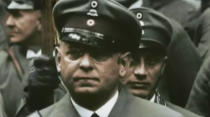
<October 1931> Hitler's momentum did not fade. Within just a year, he dominated Germany's far right. Veterans' organizations such as the five-hundred-thousand-strong Stahlhelm also came under his control.
Scandal
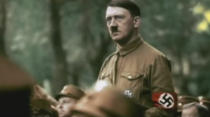
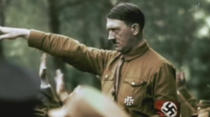
Hitler appeared arrogant. In fact, he had only just weathered a potentially fatal scandal.
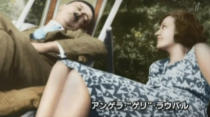
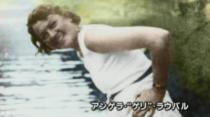
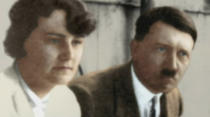
〈Angela ‘Geli’ Raubal〉It was an event in his private life. Hitler had developed increasingly improper feelings for his twenty-three-year-old niece Geli Raubal. She killed herself.
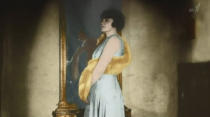
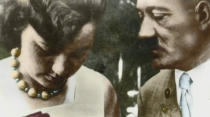
Geli shared his Munich apartment. She confided to a friend: 'My uncle is a monster. He demands things of me that people cannot imagine.'
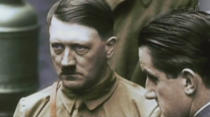
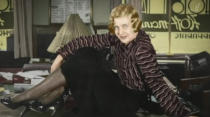
Newspapers condemned him in unison: Hitler was a sexual deviant who had Geli killed. Deeply depressed, Hitler spoke of suicide, alarming his aides. His personal photographer, Heinrich Hoffmann, introduced him to one of his assistants.
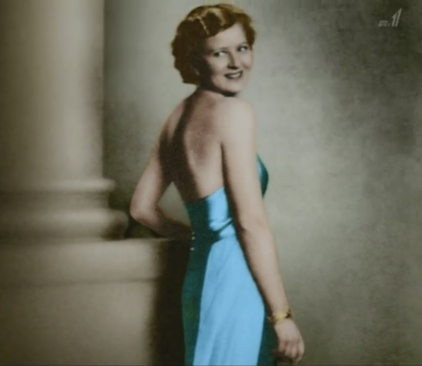
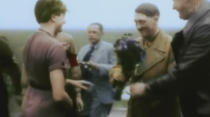
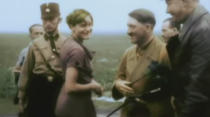
A woman who closely resembled Geli: Eva Braun. Although only nineteen, she was skilled in the ways of the world. She was captivated by the Nazi leader’s popularity. Hitler made her his new secret mistress. To win the support of women voters, he had declared himself married to Germany. Women in Germany already had the right to vote at that time.
Eva Braun loved sports and dreamed of becoming an actress in Hollywood Tarzan films.
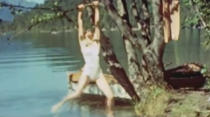
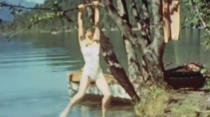
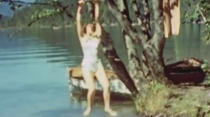
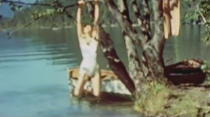
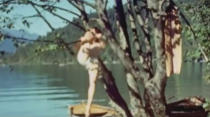
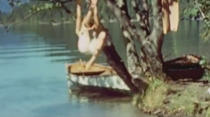
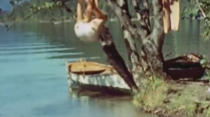
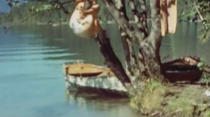
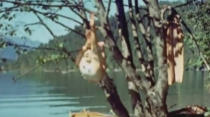
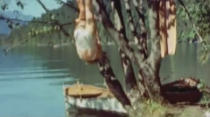
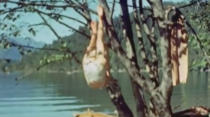
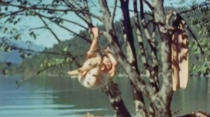
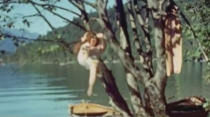
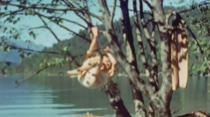
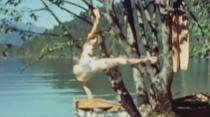
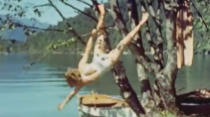
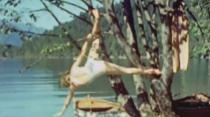
After becoming involved with Eva, Hitler regained his vicious appetite for political combat.
Energetic Election Campaigning
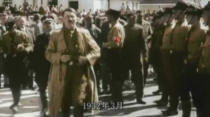
〈March 1932〉In March 1932, Hitler announced his candidacy to succeed President Hindenburg. Less than ten years had passed since his failed Munich putsch and imprisonment.
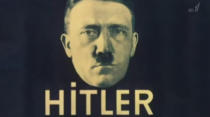
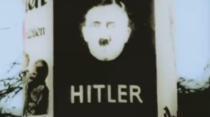
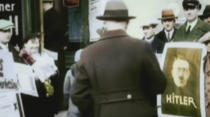
Hitler's election posters filled the streets.
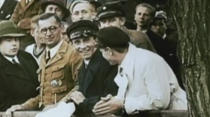
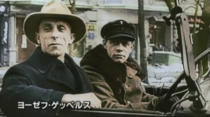
Nazi propaganda chief Joseph Goebbels urged a spectacular approach and launched Europe's first election campaign using aircraft.
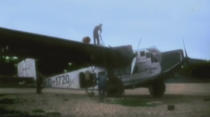
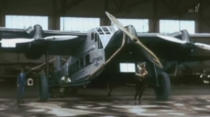
Lufthansa provided what was then the largest passenger aircraft. For the airline it was an excellent opportunity for free publicity.
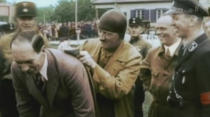
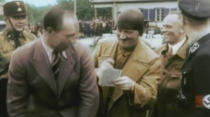
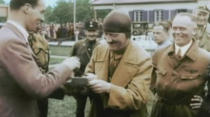
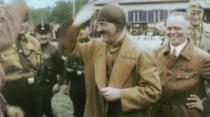
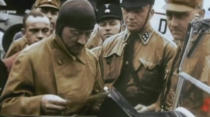
Wearing a leather flying helmet, Hitler toured more than a hundred towns on the campaign trail. Goebbels promoted the slogan of the flying leader.
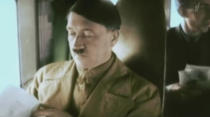
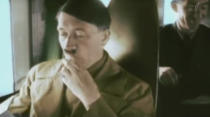
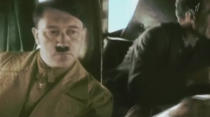
His campaign tours were also filmed and screened nationwide, building the myth of Hitler as the ultimate savior.
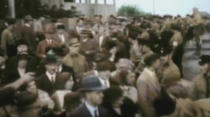
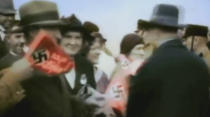
This campaign was enormously expensive. The Nazi Party therefore had to charge people attending Hitler’s speeches roughly one euro in today’s money. Even so, attendance increased rather than declined.
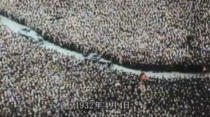
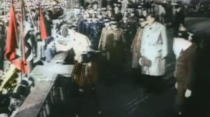
[April 4, 1932] A week before the presidential election, 100,000 Berliners gathered to hear Hitler speak. People had lost hope in established parties unable to face the crisis. Twenty-year-old Jutta Rüdiger was one of them. 'Unemployment had left everyone indescribably depressed. We truly thought Hitler was the only one who could save us.'
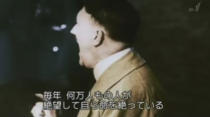
Hitler: “No one speaks of it, but every year tens of thousands of people take their own lives in despair.”
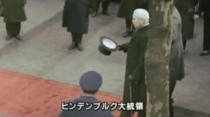
President Hindenburg, chief of the General Staff during the First World War, sought reelection with support even from the left. Social Democratic leader Wels, a leading opponent of Hitler's rise and of fascism, declared emphatically:
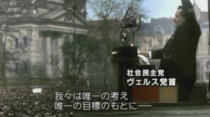
Social Democratic leader Wels: “We cannot waste another moment. With a single purpose and a single goal, we must defeat fascism and sweep it away. Let us fight for the republic, for freedom and for the workers!”
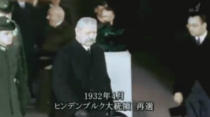
⟨April 1932: President Hindenburg reelected⟩ On April 10, 1932, the verdict came. Hitler was not elected president. He received approximately thirteen million votes, a third of the German electorate, but it was not enough. Hindenburg won reelection with Social Democratic support, but, unwilling to depend on them, dissolved parliament.
Election Campaigning Becomes More Extreme
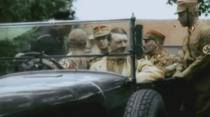
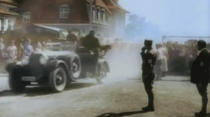
Hitler resumed campaigning. He gave as many as five speeches a day, running his entourage ragged. Drawing strength from the crowds, he became intoxicated with his own poison.
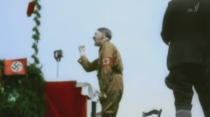
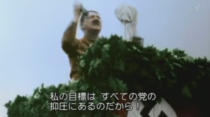
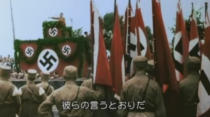
Hitler’s speech: ‘Our enemies consider us, and me in particular, intolerant and insufferable. They criticize us for refusing to cooperate with other parties. They are right. We are intolerant, because my goal is the suppression of every party!’
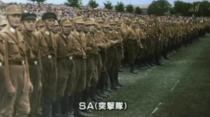
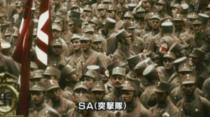
In the 1932 election campaign, Hitler's first target was the Communist Party. The task was assigned to the SA, the storm troopers. With 400,000 members, it had begun raising its own funds for equipment.
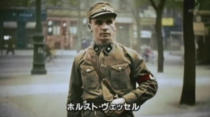
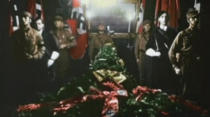
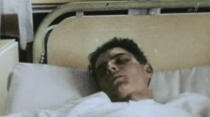
To raise morale, propaganda chief Goebbels created an idol: Horst Wessel, a street thug who became an SA company commander. Killed by a Communist, Wessel was elevated into a Nazi Party martyr.
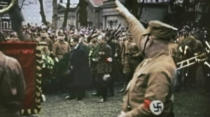
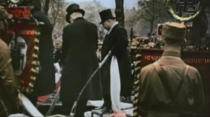
At the funeral, Goebbels gave a speech likening the man’s death to Christ’s Passion. A poem attributed to Wessel was set to music and became the Nazi Party anthem: the Horst Wessel Song, ‘An Oath of Violence.’
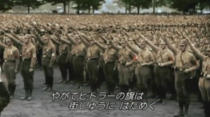
♪ (Nazi Party anthem) “Soon Hitler's flags will fly throughout the streets; the age of servitude will soon end. Comrades killed by the Red Front still march beside us in spirit.”
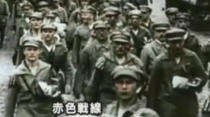
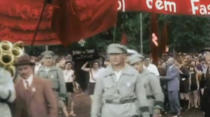
Meanwhile, here is the Communist Party's paramilitary Red Front. Its members wore workers' caps and Russian-style shirts. Everyone was driven by ideals.
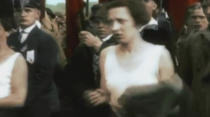
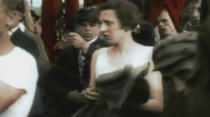
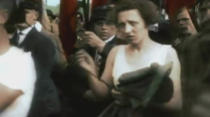
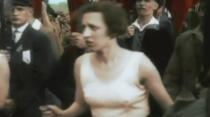
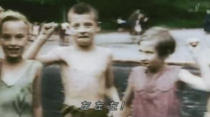
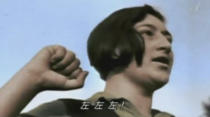
They, too, had a song of struggle.
♪ “Left, left, left! Beat the drums
Let us crush the enemy, beneath the bourgeoisie's backside
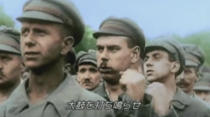
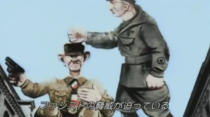
Let us plant dynamite
The fascist threat approaches, proletarians
Take up arms! Red Front, Red Front!”
July 1932. During the election campaign, the SA colluded with police to provoke Communists and repeatedly caused bloodshed. About one hundred Communists died and a thousand were wounded. Many Germans, tired of social disorder and government impotence, supported the Nazis' violence.
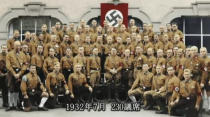
[July 1932: 230 seats] The Nazi Party won 230 parliamentary seats. Hitler became leader of the largest party. Power was within reach. But joy quickly turned to despair. President Hindenburg refused to appoint Hitler chancellor, telling him, 'I cannot hand power to an intolerant party such as yours.' Hindenburg nevertheless offered him a cabinet post. But Hitler did not consider himself an ordinary politician who would be satisfied with that. He wanted absolute power: to establish a totalitarian state.
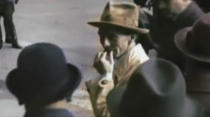
Using the Nazi Party's immense strength, Goebbels blocked other groups' attempts to form a parliamentary majority. With a sinister smile, he declared: 'This parliament does not reflect the will of the people. It should be dissolved immediately.'
The third election within a year was scheduled for November.
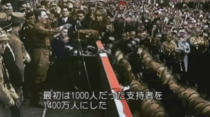
Hitler's speech: “With my natural energy and persistence, I increased our supporters from an initial thousand to fourteen million. Now I will raise that to twenty million, thirty million!”
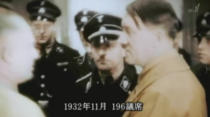
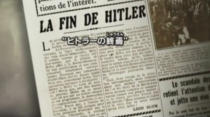
〈November 1932: 196 seats〉The election result, however, disappointed Hitler. Compared with the previous election, his party lost two million votes and thirty-four seats. A French daily whose editor-in-chief was the prominent socialist Léon Blum ran the headline ‘The End of Hitler.’ But that was not how things turned out.
Appointment as Chancellor
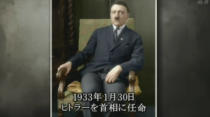
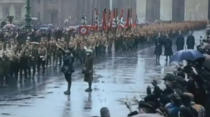
〈January 30, 1933: Hitler appointed chancellor〉After three months without managing to form a parliamentary majority, Hindenburg finally appointed Hitler chancellor. The writer Sebastian Haffner, then a student, wrote: ‘When I heard the news, I froze with terror. For an instant I smelled blood and mud. I felt something dangerous rushing at my face, like the huge, dirty paw of a predatory animal.’
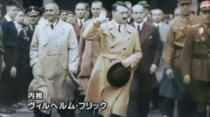
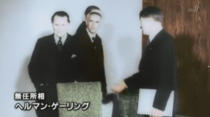
To achieve its aim, the wolf puts on sheep's clothing, disguising itself. Hitler reassured Hindenburg by requesting only two cabinet posts for the Nazis: Wilhelm Frick (pictured left), a senior Munich police official, as interior minister, and Hermann Göring (pictured right) as minister without portfolio. These two men were put in charge of the police organization.
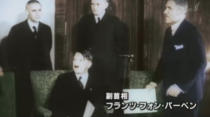
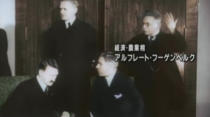
Hitler maneuvered to make it appear that the most important cabinet posts had gone to conservatives. He made former Chancellor Franz von Papen (photo at left) vice-chancellor, and the prominent far-right politician Alfred Hugenberg (photo at right) minister of economics and agriculture. He sought to give the impression of a coalition government rather than a Nazi-dominated one. Meanwhile, the conservative ministers complacently assumed that they could control Hitler.
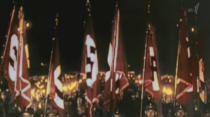
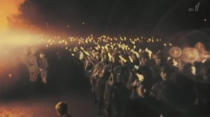
On the night the cabinet was formed, torchlight marches by the veterans' organization Stahlhelm, the Nazi SS, and the SA took place in Berlin and other major cities. Goebbels announced that a million people had marched, but the British military attaché said there had been no more than 15,000, made to walk around the same place repeatedly.
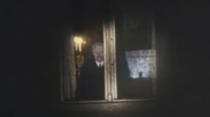
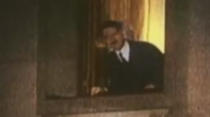
Watching through a window, eighty-five-year-old President Hindenburg imagined himself in the midst of the Battle of Verdun in 1916. 'Our troops are marching splendidly, and look at all those prisoners.' Enthusiastic praise greeted Hitler as he stood in the chancellor's office. Berlin teacher Luise Solmitz recalled: 'Everyone seemed intoxicated without having had a drink. They were shouting, Death to the Jews! Jewish blood will spurt from the tips of our knives!'
⟨February 10, 1933⟩ Hitler delivered his first speech as chancellor at Berlin's Sportpalast. He then steadily proceeded toward absolute power. First, he dissolved parliament, where the Communists and Social Democrats held approximately 200 seats, and scheduled parliamentary elections for March. In radio speeches, Hitler appealed to left-wing voters as well.
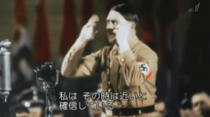
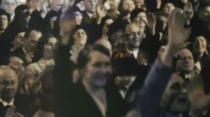
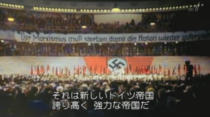
Hitler: “I am convinced that the time is near when the millions who condemned us will join us and cheer with us what we have achieved: a new German Reich, proud and powerful.”
Through such apparently conciliatory speeches, Hitler continued disguising himself behind a mask. But to consolidate Nazi support, Goebbels made his position on antisemitism and violence unmistakable.
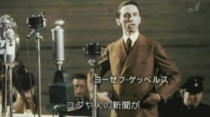
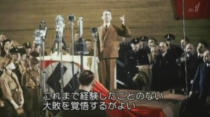
Joseph Goebbels: ‘If the Jewish press thinks it can threaten us, it had better beware. Patience has limits. One day we shall silence the Jews’ lying mouths. Nazi Party members and storm troopers need not worry. The end of the Red terror will come sooner than you think. Communists, prepare for a defeat unlike any you have experienced.’
Seizing Power Legally
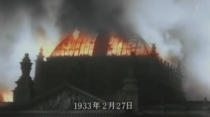
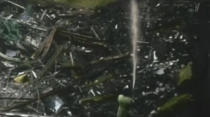
[February 27, 1933] Late February, before election day.
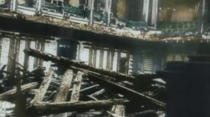
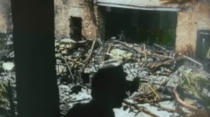
The Reichstag building in Berlin was gutted by fire. The symbol of the Weimar Republic and German democracy was left in ruins.
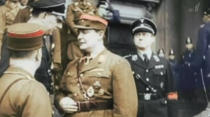
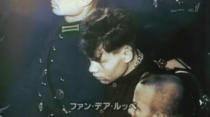
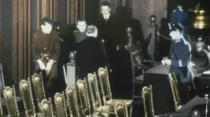
An investigation by the police under Göring led to the arrest of a twenty-four-year-old Dutch Communist for arson. He was swiftly convicted and executed by guillotine. (Photo right: van der Lubbe)
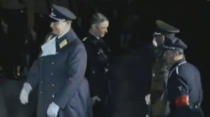
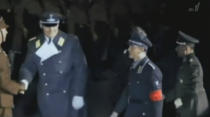
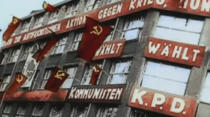
Who benefited? The Nazis. Hitler and Göring fanned fears of a planned Communist uprising. Göring ordered the arrest of 4,000 Communist Party members, including leaders. But at this stage the Communist Party was not outlawed. Hitler, seeking to consolidate his power base, wanted the election to remain formally legal.
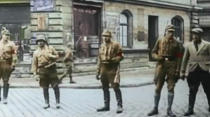
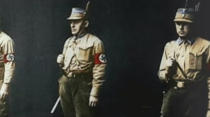
Germans were weary of repeated election campaigns and turmoil. They began to see SA actions as protecting citizens from Communist attacks. The SA, now more than a million strong, was granted the status of armed auxiliary police. Its members were stationed outside left-wing party and trade-union headquarters across Germany.
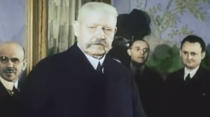
While they incited violence, Hitler skillfully won over the increasingly weary President Hindenburg.
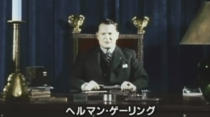
Seated in an imposing Gothic armchair and toying with a dagger, Göring announced the falsified election results.
Hermann Göring: “March 5, 1933, is the day of a great victory for one man and one movement. It is the victory of Adolf Hitler and National Socialism. Both will become one with the people and the German Reich.”
In fact, even together with its coalition partners, the Nazi Party had barely secured a majority. Despite SA intimidation, the Communists won twelve percent of the vote. Hitler finally dropped his mask and brazenly disregarded the law.
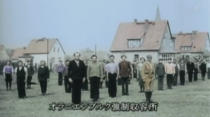
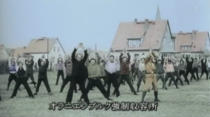
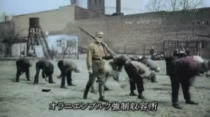
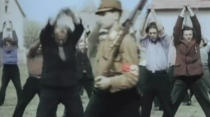
They invalidated the election of Communist deputies, arrested them and sent them to concentration camps at Oranienburg near Berlin and Dachau near Munich.
⟨Photo below: Dachau concentration camp⟩ In 1933 alone, the year Hitler took power, sixteen concentration camps were built. The number of political prisoners swelled to 100,000.
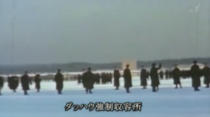
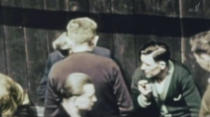
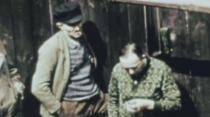
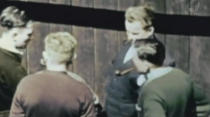
Klaus Bastian, then a student and Communist Party member, recalled: “The guards whipped prisoners and forced them into freezing water. We lived in constant fear of death.”
The Nazis described this as reeducation for legislators, civil servants, and union officials.
<Photo below: Oranienburg concentration camp> The dictatorship's ominous shadow spread over all Germany.
The Demand for Full Powers: The Beginning of Jewish Persecution
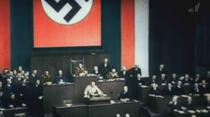
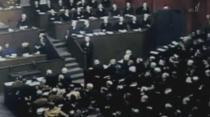
[March 23, 1933] After the Reichstag burned down, Hitler convened parliament in an opera house surrounded by SA men and demanded full powers. Most Communist deputies had already been sent to concentration camps, while ninety-four Social Democratic deputies courageously voted against him. They were subsequently arrested or forced to flee abroad.
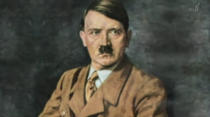
The 441 deputies, from the far-right parties to the Catholic Centre Party, listened to Hitler's interminable speech. He promised to eliminate unemployment, aid tenant farmers, uphold the law and preserve peace: pledges that seemed unlikely to be fulfilled. Parliament voted to grant him full powers for four years, surrendering its own purpose.
President Hindenburg could no longer challenge the chancellor’s decisions. Public cheers drowned out German democracy. The world felt threatened that Hitler, an avowed antisemite, now led one of its foremost advanced industrial nations.
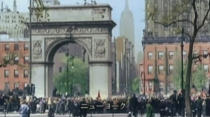
<New York> Anti-Hitler demonstrations took place in New York and around the world, condemning Nazi brutality and antisemitism. People everywhere called for a boycott of German goods.
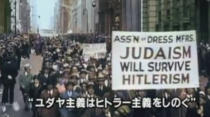 'Jewish ide—
…ism surpasses Hitlerism”
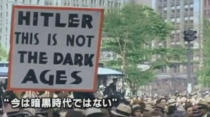 “Now it is darkness
not an age for it’
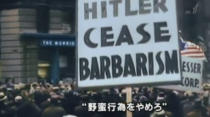 “Barbaric acts
Stop ..."
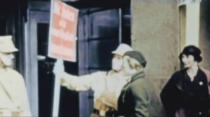
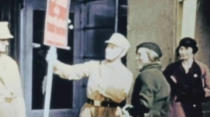
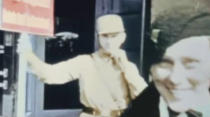
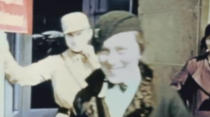
In response, Hitler ordered a boycott of Jewish shops in Germany. This footage was shot by an amateur cameraman with his wife's help.
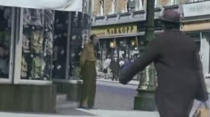
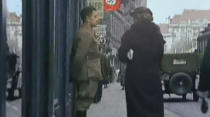
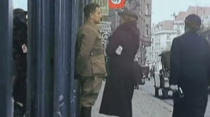
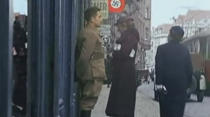
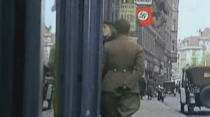
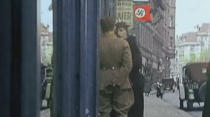
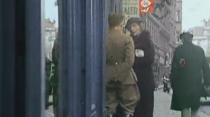
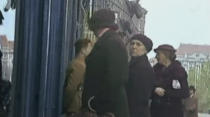
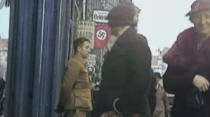
He was trying to test the determination of the Nazi Party members standing guard outside Jewish shops.
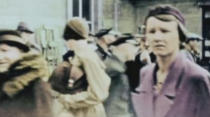
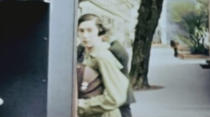
Jews trembled at the SA's posters.
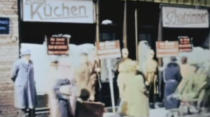
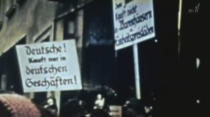
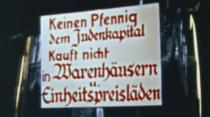
The signs said things such as ‘Do not pay a single pfennig to Jewish capital’ and ‘Jews are the cause of our country's collapse.’ It was the beginning of persecution.
Before emigrating to Palestine with his family, Edwin Landa, who ran a large shop in East Prussia, wrote: 'This country and its people, whom I respected and loved until now, have suddenly become my enemies. I am no longer German, nor do I have the right to be German. I am ashamed to have been one of these people, ashamed of myself for trusting so many of them. Now they have removed their masks and revealed their true nature as enemies.'
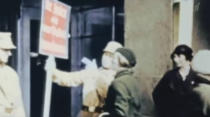 Persecution of Jews (Jewish
Of the boycott of shops)
About the Sign
Smiling
A German asking
Antisemitism extended to university education. Nazism turned students away from modern culture and forced an intolerant, narrow-minded ideology upon them.
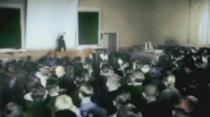
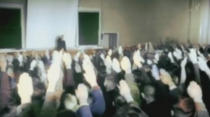
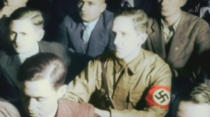
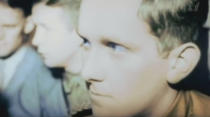
Consequently, they began burning books. Twelve thousand works by more than 300 Jewish and Communist authors, including Marx, Freud, and Stefan Zweig, were designated dangerous literature.
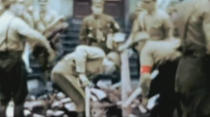
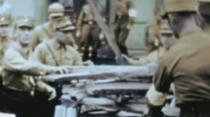
The storm troopers prepared firewood for burning hundreds of thousands of books.
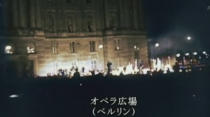
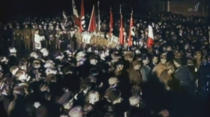
Goebbels's speech, broadcast by radio from Berlin's Opera Square, resembled an inquisition from the medieval Dark Ages.
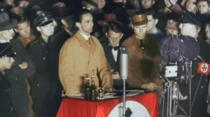
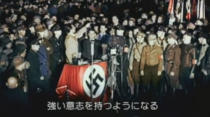
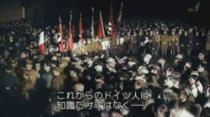
Goebbels: "Dear students, people of Germany. The age of Jewish intellectualism is over. From now on, Germans will possess not only knowledge but a strong will."
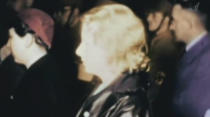
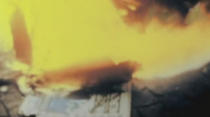
<May 10, 1933> Dorothea Günther, who took part in this Nazi ceremony, wrote: 'The SA men and students shouted out the titles of the books and the names of their authors.
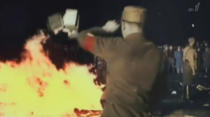
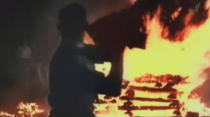
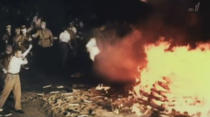
If an author was Jewish, they denounced the writer as a pacifist, feminist, or modernist, repeatedly chanting, “We will bury you,” and threw the books into the fire. I was stunned and outraged to the depths of my heart. Many of the books being burned were ones we had discussed together.’
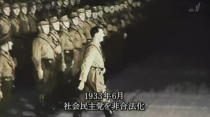
〈June 1933: Social Democratic Party outlawed〉Hitler destroyed the trade unions and outlawed the Social Democratic Party, the core of the Weimar system. In July 1933, Germany became a one-party dictatorship.
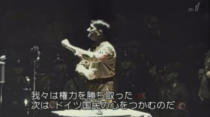
‘Hail the SA and SS! A glorious age opens before us. Germany has finally awakened. We have won power. Next, we must win the hearts of the German people.’
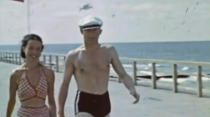
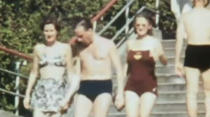
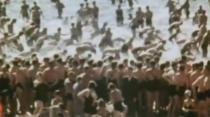
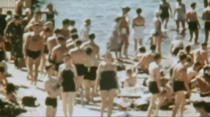
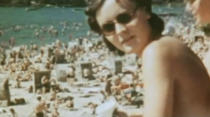
People enjoying their holidays. Even after the Nazis became the only legal party, many Germans showed no anxiety about antisemitic slogans. They were generally indifferent: people of Jewish descent made up less than one percent of the population.
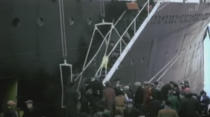
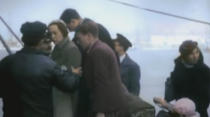
Meanwhile, half of Germany's Jews emigrated. Gerda Blachmann says: 'We were allowed aboard a ship on condition that we give up all our property.'
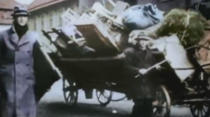
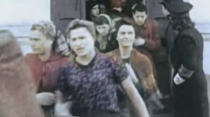
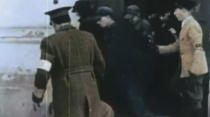
Poor Jews could not move. They were expelled to Jewish districts in Eastern Europe and later killed in concentration camps. Many opponents of the dictatorship fled to France.
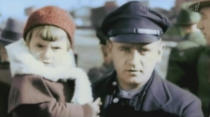
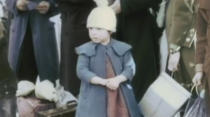
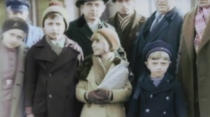
But when Germany later occupied France during the Second World War, they were handed over to the Nazis. Those who failed to escape in time, or chose to remain and resist, died in concentration camps.
Germans’ Acceptance of Totalitarianism: Brainwashing
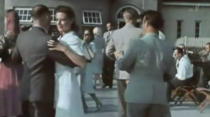
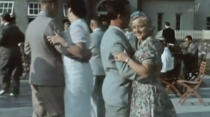
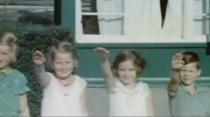
Most Germans came to accept totalitarianism. Some began each day by raising the swastika flag, now Germany's official emblem.
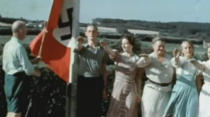
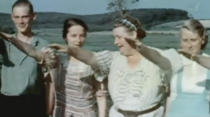
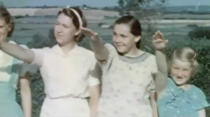
Hitler's control of the media meant that ordinary citizens came to read only Nazi newspapers.
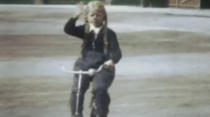
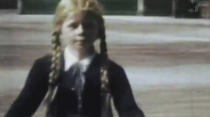
The girl learned the Nazi salute, and
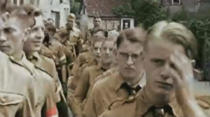
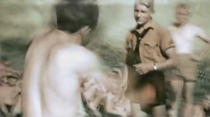
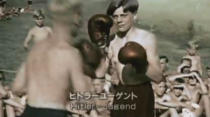
The boy joined the Nazi youth organization, the Hitler Youth, which stirred his fighting spirit.
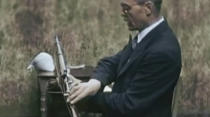
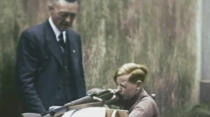
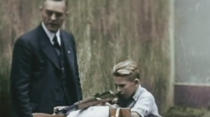
At school, teachers taught pupils how to use guns.
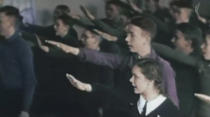
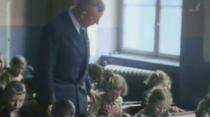
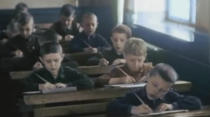
A Nazi-approved textbook contained this passage.
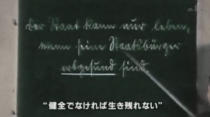
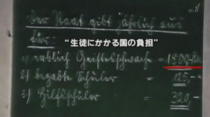
“The annual cost to the state per pupil is 1,800 marks for a child with an intellectual disability, 320 for an ordinary child, and just 125 for a gifted child. In other words, society cannot survive unless its citizens are genetically healthy.”
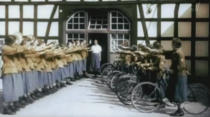
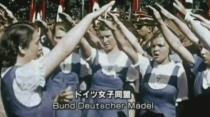
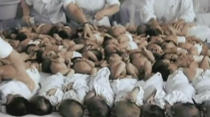
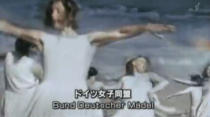
Older girls joined the League of German Girls, an organization intended to make them good wives and mothers of many future soldiers.
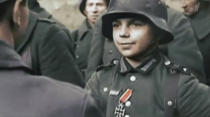
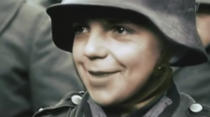
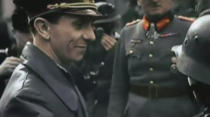
These children would ultimately die at little more than ten years old, in the closing stages of World War II.
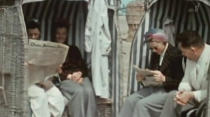
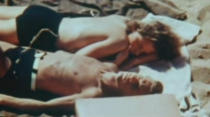
But in summer 1933, Germans could not imagine what lay ahead. Hitler was not yet an absolute leader. To become one, he needed to brainwash the population.
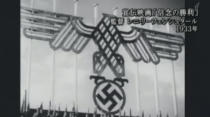
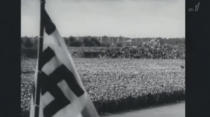
〈Propaganda film Victory of Faith, directed by Leni Riefenstahl, 1933〉Victory of Faith was a propaganda film depicting the first Party Congress after the Nazis, now the only political party, took power.
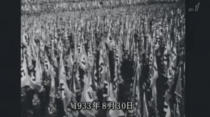
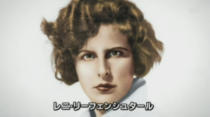
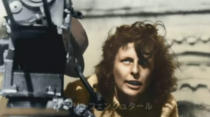
⟨August 30, 1933⟩ The director was Leni Riefenstahl. Hitler was captivated by her energy and beauty. With skillful visual techniques, Riefenstahl exalted Hitler as a god and glorified his inner circle.
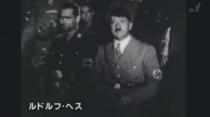 Rudolf Hess
For example, Rudolf Hess, one of the drafters of antisemitic legislation.
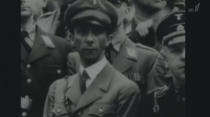 Joseph Goebbels
, now propaganda minister.
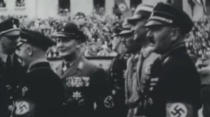 Hermann Göring
, who rebuilt the German air force.
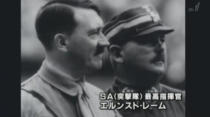 Ernst Röhm
And Ernst Röhm, supreme commander of the SA (storm troopers): leader of that fanatical organization.
A year later, the Nazis banned the film because Röhm had been denounced as a traitor. Hitler may have felt threatened by his former confidant. By then, Röhm's SA numbered two million men and rivaled the national army. To secure the army's loyalty, Hitler suppressed the SA and purged Röhm.
A Talkative Monk
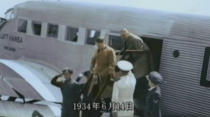
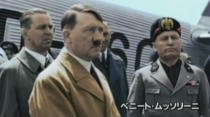
[June 14, 1934] These events all began with Hitler's visit to Italy's dictator, Mussolini (pictured right: Benito Mussolini). Hitler regarded the older Mussolini as a model. He sought approval for his plan to annex Austria, but Mussolini refused. Mussolini disliked Hitler, calling him a talkative monk.
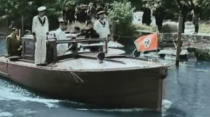
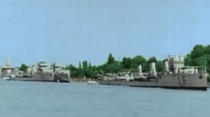
Taking Hitler sightseeing in Venice, Mussolini first showed off his naval fleet. Germany then had only a small navy. Returning to Berlin humiliated, Hitler keenly realized that his plans could not succeed without rebuilding the armed forces.
The Night of the Long Knives
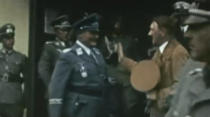
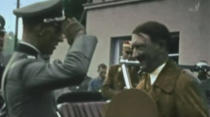
Hitler had promised the military to break the Treaty of Versailles and restore troop strength and armaments. Now its leaders wanted more: the elimination of Röhm and his storm troopers, whom they regarded as a threat.
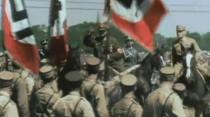
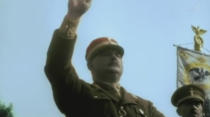
Röhm was also criticized for tendencies toward megalomania. Industrialists were alarmed by his declaration that the National Socialist revolution was not yet complete. Goebbels said he was a Communist at heart.
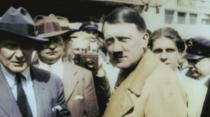
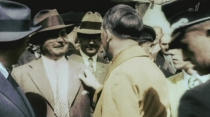
For fifteen years, Röhm had been Hitler's accomplice. Now Hitler purged him on the grounds that he was plotting a coup. Hitler selected the men who would carry out the executions.
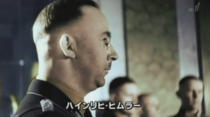 Heinrich Himmler
Himmler, Reichsführer of the SS.
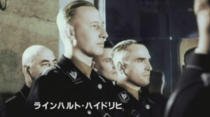 Reinhard Heydrich
Heydrich, head of the Gestapo.
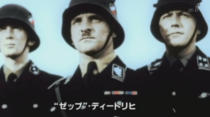 'Sepp' Dietrich
SS leader Dietrich, a man who rose from butcher's shop assistant to the top.
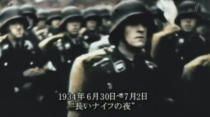
[June 30–July 2, 1934: 'The Night of the Long Knives'] From June 30 to July 2, 1934, the SS killed eighty-five people, including Röhm, opponents, and those who knew inconvenient details of Hitler's past. Hitler called these three days 'the Night of the Long Knives.'
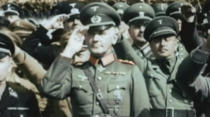
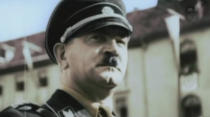
With Röhm gone, the SA lost its influence and was deployed only to maintain public order. Powerful figures in the military and industry were satisfied, and Sepp Dietrich was promoted to SS general.
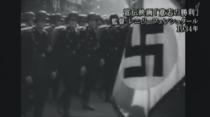
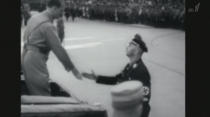
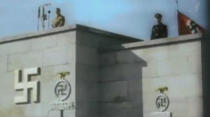
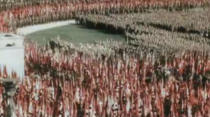
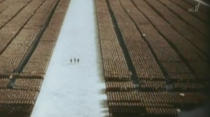
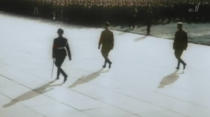
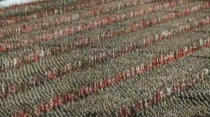
〈Propaganda film Triumph of the Will, directed by Leni Riefenstahl, 1934〉The film recording the 1934 Nazi Party Congress shows no storm troopers, only the black-uniformed SS led by Himmler.
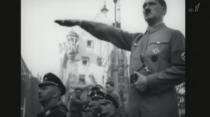
Hitler stood alone at the summit.
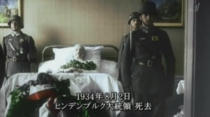
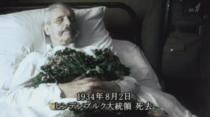
[President Hindenburg dies, August 2, 1934] A month after the Night of the Long Knives, Hindenburg, the last president of the Weimar Republic, died at eighty-six. Democracy had long since been buried and replaced by totalitarianism.
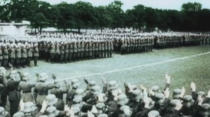
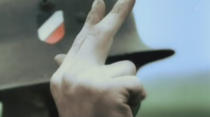
Hitler became supreme commander of the armed forces, making his power absolute. Every officer and soldier had to swear loyalty to the German people's leader, Führer Adolf Hitler.
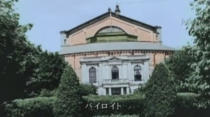
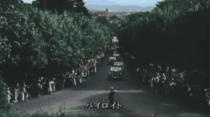
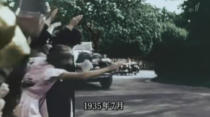
[July 1935, Bayreuth] Hitler visited Bayreuth to enjoy the music festival devoted to his favorite composer, Wagner.
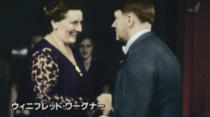 Winifred
· Wagner
Wagner's daughter-in-law Winifred, who had supported him in the earliest days of his political activity, welcomed Hitler. Hitler looked back over the long road he had traveled. He had fulfilled the dream of his youth.
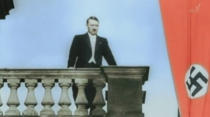
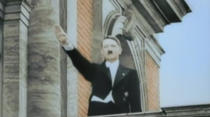
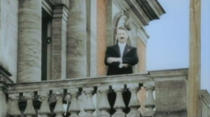
The dream of becoming Rienzi, the hero of Wagner's work.
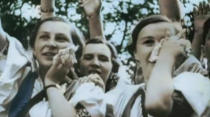
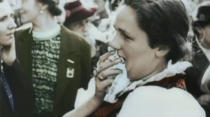
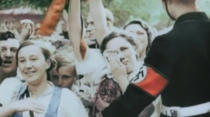
Rienzi gives his life for the people who adore him.
Like the hero Siegfried, Hitler sailed into the North Sea in pursuit of his dream. Those who had created him could no longer control the golem he had become. A golem is a clay figure in Jewish legend, capable of robbing people of their sight with demonic power.
Into the Dark Night
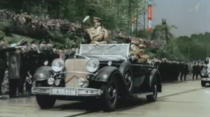
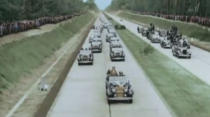
Hitler appropriated the successes of the Weimar Republic as his own achievements. One was the famous Autobahn highway system.
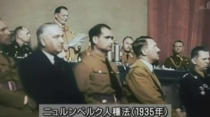
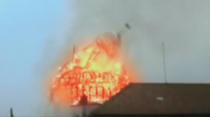
They also enacted the Nuremberg racial laws in 1935 and began attacks on Jews. Synagogues, Jewish places of worship, were burned across the country, and Jewish shops were attacked. Kristallnacht. These events were the prelude to the Holocaust.
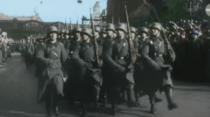
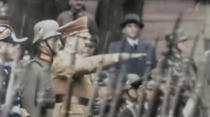
Violating the Treaty of Versailles, he reoccupied the area demilitarized in 1919.
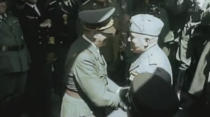
As France and Britain pursued appeasement toward Germany, Mussolini drew closer to Hitler.
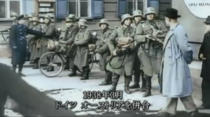
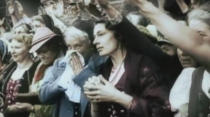
〈March 1938: Germany annexes Austria〉As a result, Hitler succeeded in annexing Austria, moving a step closer to his vision of a Greater Germany uniting all German-speaking territories.
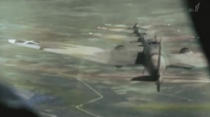
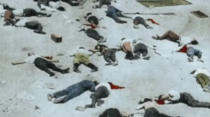
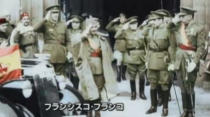
Hitler intervened in the bloody Spanish Civil War with bombers, indiscriminately killing civilians in Guernica in the Basque region. With such military support, Franco's far-right forces overthrew the Spanish Republican government. Hitler dreamed of a great continental army like Napoleon's, which he would lead against Moscow. Meanwhile, Hitler spoke of peace.
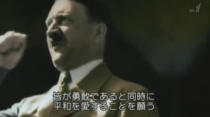
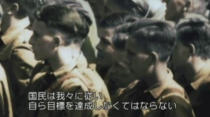
Hitler: ‘Everyone must prepare inwardly for the realization of a unified state. The people must follow us and achieve their goals themselves. I want everyone to be brave and, at the same time, to love peace. Without loving peace, one cannot be brave.’
The exhausted German people lost sight of reality. World War II would soon erupt. Relentless and brutal, Hitler would drag Germany and the world into a dark night crowded with the spirits of more than fifty million dead.
〈End〉