
Auschwitz 4: The Slaughter Accelerates
Auschwitz
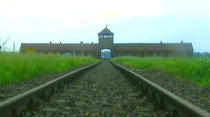
By early 1944, 550,000 people had already been massacred at Auschwitz. Yet in just a few weeks from spring to early summer, another 300,000 would be killed. Four years after the camp opened, its largest slaughter yet was about to begin.
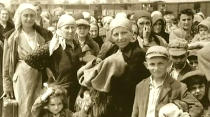
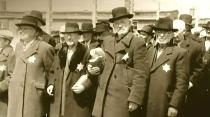
That year Auschwitz also became a bargaining ground between Germany and the Allies. The Nazis sent emissaries to neutral countries in an effort to confuse the Allies.
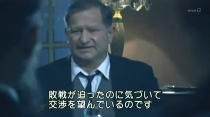 “Germany already feels the flames at its feet.
They realize defeat is approaching and want to negotiate.”
As the Allies learned the reality of Auschwitz, they faced pressure to respond.
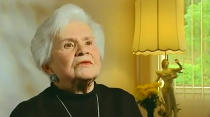
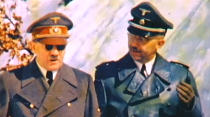
“We wanted them to bomb the camp. An enormous number of aircraft flew over. But not a single bomb fell.”
As mysterious maneuvering between the Nazis and the Allies continued, unprecedented mass slaughter accelerated at Auschwitz.
Lieutenant Colonel Adolf Eichmann
In 1944, Hungarian Jews made up the largest number of those murdered at Auschwitz. In March, German troops entered Budapest. Hungary, an Axis country, had pursued pro-Nazi policies. Hitler did not trust the country because it had refused the Nazi demand to deport 760,000 Jews. On April 25, shortly after the occupation of Budapest, SS Lieutenant Colonel Adolf Eichmann summoned the Hungarian Jew Joel Brand. Brand was a prominent activist in the Jewish community. After the war, Brand testified about their conversation. Eichmann made him an astonishing proposal.
‘We are prepared to sell you one million Jews. What kind do you want? Men and women capable of having children? Children? Or the elderly? …Sit down.’
"I cannot decide whom to save and whom to abandon. I want to save everyone."
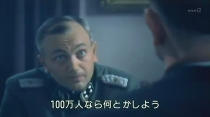
“I cannot sell all the Jews of Europe, but I can arrange a million. We want supplies. Leave the country, contact the Jewish Agency and the Allies, and return with concrete proposals.”
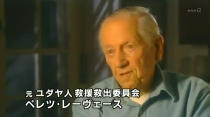
Peretz Révész, formerly of the Jewish Aid and Rescue Committee: “We had no idea what was happening. We wondered whether the Germans were trying to toy with us, but could not understand why.”
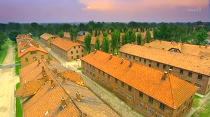
Meanwhile, at Auschwitz, plans to massacre Hungary's Jews were proceeding. Rudolf Höss, who had stepped down as commandant the previous year, was returning to Auschwitz. He had been ordered to ensure that the murder of Jews deported from Hungary proceeded without interruption. On arriving at Auschwitz, Höss assembled senior staff in the main camp for a meeting.
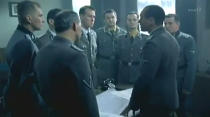
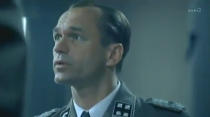
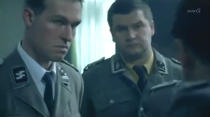
From Rudolf Höss's book on Auschwitz concentration camp
Auschwitz became the largest killing facility in history. To me, the extermination plan was right. Antisemitism has long existed throughout the world. It erupts because Jews pursue power unscrupulously.
To prepare for the Hungarian Jews' arrival, Höss began work at the second camp, Birkenau. He pushed ahead with plans to extend railway tracks into the camp so trains carrying deportees could enter directly.
Auschwitz-Birkenau Camp
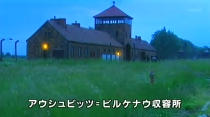
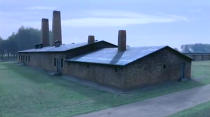
At Birkenau, killing had been repeated since 1942. Not only Jews but also Polish political prisoners and others were confined here. There were four crematoria equipped with gas chambers, where prisoners were murdered and burned.
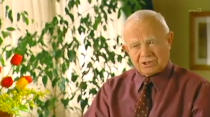
Former Polish political prisoner Stanisław Hantz: ‘There is something about Birkenau that words simply cannot convey: the smell. The terrible stench of burning bodies. It drifted for kilometers beyond the camp. Cremating the bodies did not end in a day. It continued for months. Whether rain or snow fell, the fires kept burning.’
Höss and his senior staff dug huge pits for burning bodies. They believed the existing crematoria could not cope with the coming mass murder. In May 1944, Eichmann too visited Auschwitz on an inspection. Höss understood Eichmann's intentions very well.
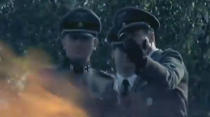
From Rudolf Höss's book on Auschwitz concentration camp
Eichmann was possessed by his mission. He was convinced that extermination was essential to protect Germans from Jewish conspiracies in the future.
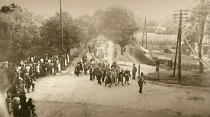
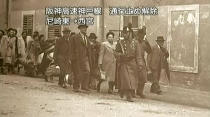
May 17, 1944. At Eichmann's direction, Brand left Hungary to convey the Nazi offer to the Allies: one million Jews in exchange for 10,000 trucks. There was little time. Hungarian Jews were already being sent to Auschwitz, and the Hungarian authorities were now cooperating in the deportations.
In Sárvár, near the Austrian border, Alice Lok Cahana and her family were also put aboard a train to Auschwitz.
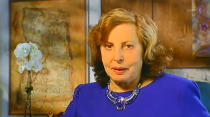
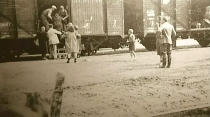
Hungarian Jew Alice Lok Cahana: ‘It reminded me of a scene from Exodus. When I saw the train, I thought there must be some mistake, because the cars standing there were for livestock.We were put into a freight car and the doors were closed. There was one bucket for a toilet and another filled with water. I told my sister that whatever happened, I would not relieve myself in a bucket in front of other people. Then the two of us went to a corner of the car.’
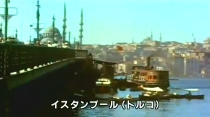
On May 19, Joel Brand arrived in Istanbul, in neutral Turkey. Representatives of various groups with ties to Israel's Zionist leadership gathered in a hotel room.
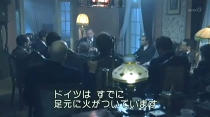
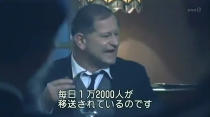
“Germany already feels the flames at its feet. They realize defeat is approaching and want to negotiate. Why has no one from the leadership in Jerusalem come? Twelve thousand people are being deported every day. Let us send a telegram immediately, requesting that the most influential figures, such as Weizmann and Shertok, be sent.”
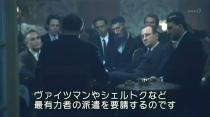
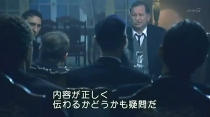
"There is no guarantee that the telegram will arrive safely. It is also doubtful whether its contents will be conveyed correctly."
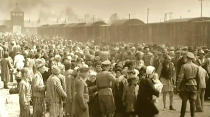
The negotiations were difficult. Meanwhile, Hungarian Jews were arriving at Birkenau. These photographs were taken by an SS man. Photography at Auschwitz was prohibited in principle. It is not known why these pictures were taken, but they are among the few records showing conditions at the time.
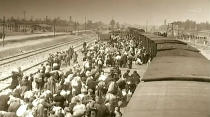
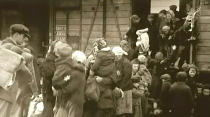
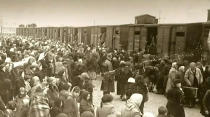
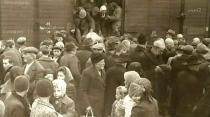
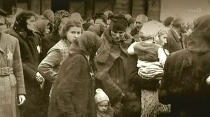
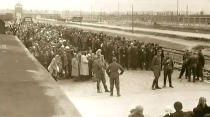
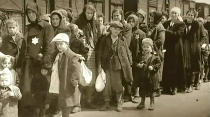
The SS divided the deportees into men and women with children, then selected from these groups those who would be sent to the gas chambers.
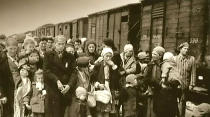
Hungarian Jew Alice Lok Cahana: “When we arrived at the camp, we thought it would be better than the cattle cars and that at least the children would be fed properly. Then an SS man said the children would be moved elsewhere and that mothers should line up with them.”
Alice joined the line of women with children. But it was the line of people who would be killed.
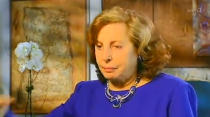
Alice Lok Cahana, a Hungarian Jew: "I joined the line of children and mothers. I was tall for my age, so an SS man asked if I had children. As soon as I answered, 'No, I am only fifteen,' he shoved me into another line."
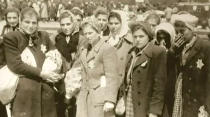
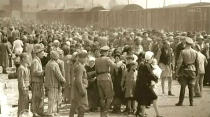
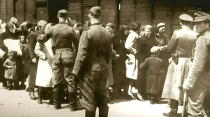
That was the moment Alice's life was spared. She was placed in the line of healthy young women to be used for forced labor. In a very short time, the many Jews arriving at the camp were sorted one after another.
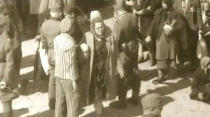
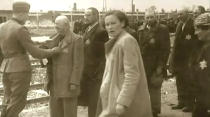
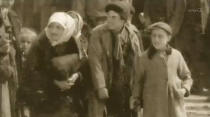
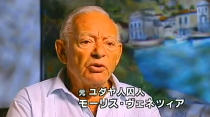
Former Jewish prisoner Maurice Venezia: “Two Germans sorted us. The old went into the line on the right, the young into the line on the left. Families were torn apart. Those put in the right-hand line were immediately taken to the gas chambers.”
Allied Rejection
Traveling from Turkey to Aleppo in Syria, Joel Brand met Jewish Agency representative Shertok on June 11, 1944. But at this meeting, also attended by a major from British intelligence, he received an unexpected announcement.
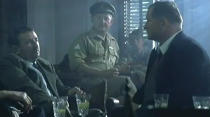
‘What will happen if you do not return to Budapest?’
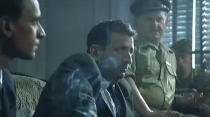
‘All Hungary’s Jews will be killed within two months. Just like the people of the Warsaw Ghetto…’
‘I am afraid you cannot return to Budapest. The British military requires you to go to Cairo.’
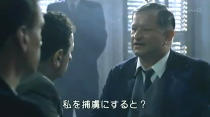
"You intend to take me prisoner?"
‘Yes.’
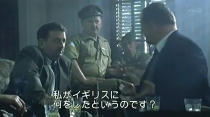
“This is too much. If I do not return, the Jews will be massacred. My family will be first… Are you helping the enemy? I am not a German agent. I am the envoy of a million Jews condemned to death. What right do you have to arrest me? What have I done to Britain?”
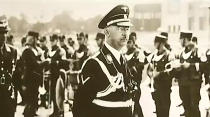
The British believed the Nazi motive was obvious. Soviet forces had finally entered German territory, and Germany's defeat was looking increasingly certain.The Nazis claimed that trucks obtained through the bargain would be used only on the Eastern Front, against the Soviet Union. SS chief Heinrich Himmler was trying to divide the Allies through these negotiations.
On May 31, 1944, the British War Cabinet committee considered the Nazi proposal. It decided this was a form of intimidation or blackmail and that they should not negotiate. Behind that decision was also a fear that, once the offer was accepted, the Nazis might foist even more Jews upon them. After Britain decided its policy, the United States and the Soviet Union also agreed not to negotiate with the Nazis.
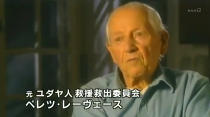
Peretz Révész, formerly of the Jewish Relief and Rescue Committee: "The Germans believed the Jews had overwhelming influence. They repeatedly claimed the Jews ruled the world. They thought America and Britain would do anything the Jews asked. But we knew that was completely mistaken."
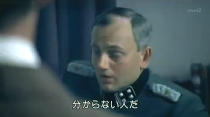
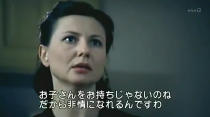
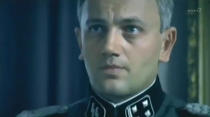
Even after deciding to reject negotiations, the Allies did not inform the Nazis in Budapest of their conclusion. Joel Brand’s wife Hansi and Jewish activist Rudolf Kastner met Eichmann and told him he should demonstrate his willingness to negotiate more actively. Both later testified about this encounter.
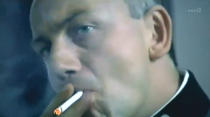
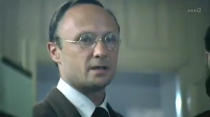
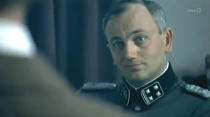
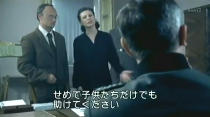
“Please save at least the children. We will take responsibility for looking after them.”
"You don't understand. I will sweep away the Jews. Appeals to my feelings are useless."
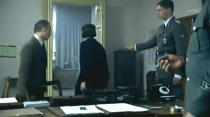
‘You have no children, do you? That is why you can be so heartless.’
“Watch your words. If you take that attitude toward me, I will not see you again.”
Kastner's Train
Although Eichmann and the SS were unmoved by humanitarian appeals, they sometimes accepted other terms. To present themselves as just, the Nazis permitted a train carrying Jews to leave Budapest on one occasion. The fare was one thousand dollars per person.
June 30, 1944. A train carrying 1,684 Hungarian Jews left Budapest station. Its passenger list had been drawn up by a special committee that included the Jewish activist Rudolf Kastner.
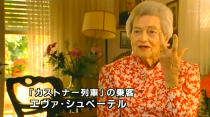
Eva Speter, a passenger on ‘Kastner's train’: “Kastner's list was drawn up almost as if choosing passengers for Noah's Ark. The people on that train were among the few surviving Jews, representatives of the Jewish community.”
But the passenger list was also biased. Many seats went to Kastner's relatives, people from his hometown, and wealthy Jews who could pay other people's fares as well.
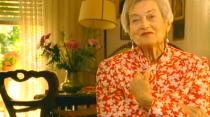
Eva Schpetel, a passenger on the “Kastner train”: “Faced with death, anyone will try anything to survive. Everyone puts themselves first, whatever they may say.”
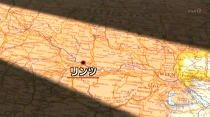
The train was supposed to head to neutral Switzerland. Instead it stopped in Linz, Austria, where the Jews were told to get off and take showers.
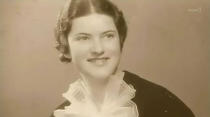
Eva Später, a passenger on 'Kastner's train': "Even aboard the train, I could not feel safe, because we did not know what would happen next. When I was made to stand naked before a doctor, I looked him straight in the eye. I vowed inwardly to show him how a proud Jewish woman dies. We had heard that gas came out of the showerheads at Auschwitz... But what came out was warm water. We showered and returned to the train. I was relieved. I had been prepared to die."
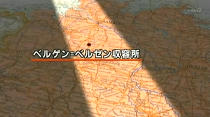
The train arrived at Bergen-Belsen in Germany. It was six months before almost all of them entered Switzerland. Those who escaped on the train amounted to less than 0.5 percent of the Hungarian Jews deported to Auschwitz.
The Site of the Massacre
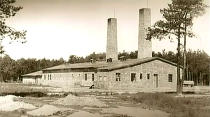
From spring to early summer 1944, the killings reached their peak. The four crematoria equipped with gas chambers operated at full capacity. Two stood on the western side of Birkenau, with gas chambers above ground. The other two were beside the railway tracks leading into Birkenau and had underground gas chambers.
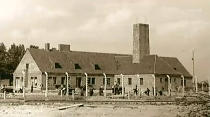
Members of special labor squads, selected from among the prisoners, were forced to assist in the massacres. Each crematorium operated with roughly one hundred special labor squad members and just four SS men. Threatened with immediate death if they refused, these prisoners were forced to assist in murdering fellow Jews.
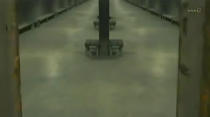
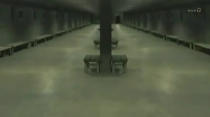 The underground gas chamber
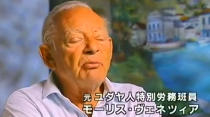
Former Jewish Sonderkommando member Maurice Venezia: "From inside the gas chamber we heard voices calling to God, as if they were echoing from beneath a grave. I can still hear those voices."
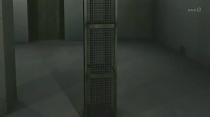
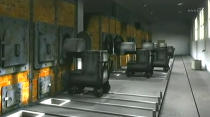
SS men dropped Zyklon B into wire-mesh columns, killing the prisoners. The most agonizing work was left to the Sonderkommando. They transported enormous numbers of bodies on small lifts and burned them in cremation ovens or outdoor pits.
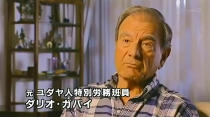
Former Jewish Sonderkommando member Dario Gabbai: “When large numbers of Hungarian Jews began arriving, the SS wanted to dispose of them as quickly as possible. So they dug outdoor pits for burning bodies.”
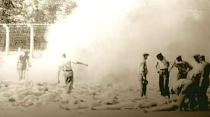
This photograph of open-air cremation was taken at the risk of a special labor squad member’s life in 1944.
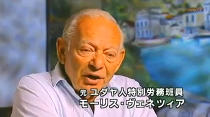
Maurice Venezia, former member of the Jewish Sonderkommando: "When you do nothing but burn bodies day after day, your senses go numb. The moment you questioned anything, you would have taken a bullet in the head. We just worked like robots."
Gas chambers were not used for small groups; prisoners were shot before the special labor squad members.
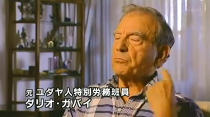
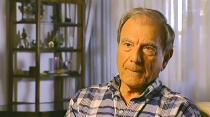
Former Jewish Sonderkommando member Dario Gabbai: “We had to grab them by the ears and pull them one by one toward the SS men. When an SS man shot them through the back of the head, an enormous amount of blood splashed out. Washing it away with water was also our job.After a while you feel nothing. My conscience was pushed deep into my heart then, and it remains there even now. Sometimes I hear a voice from those depths asking why on earth we did such things.”
The Suppressed Requests to Bomb Auschwitz
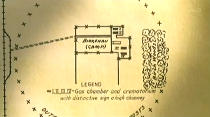
The Allies had already learned that mass murder was taking place at Auschwitz. Since early 1944, information had been coming from a handful of escaped prisoners and the Polish resistance. The compilation known as the Auschwitz Report recorded conditions in the camp in detail. It even included sketches showing the locations of Birkenau's main crematoria and gas chambers.
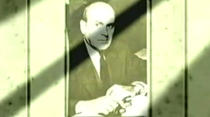
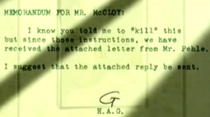
The Jewish Agency appealed for the bombing of the railway lines leading to Auschwitz and the camp's gas chambers. The request reached the United States just after the Normandy landings.Assistant Secretary of War John McCloy (pictured right) opposed diverting forces from other theaters to bomb Auschwitz.A surviving memorandum suggests that McCloy instructed his subordinates to suppress the matter. Britain left the bombing decision to the United States, and ultimately the appeal was buried.
Yet from August 1944, American forces bombed the IG Farben factory only seven kilometers from Birkenau.
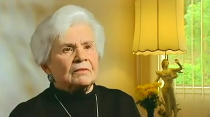
Former Jewish prisoner Ribsza Bredel: “When I heard the planes, I prayed that they would drop bombs on the camp. At least we could escape then. An enormous number of planes flew over, but not a single bomb fell. I thought God and the Allies had forgotten us and did not care about us at all. The Allies knew what was happening in the camp.”
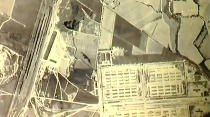
Photographs taken by the Americans on a reconnaissance flight on August 25 clearly show the crematorium and gas chamber at Birkenau. Could these buildings alone have been bombed? If they had, could the killing at Auschwitz have been stopped? The answer remains a mystery.
The Situation in Hungary
Meanwhile, several countries, including the United States and Britain, began pressuring the Hungarian government, which was continuing to deport Jews. In early July, the Hungarian government intercepted an Allied telegram demanding punishment of those involved in the deportations. In response, Prime Minister Döme Sztójay and Germany's plenipotentiary ambassador, Veesenmayer, discussed what to do. Veesenmayer's report reveals the content of their conversation.
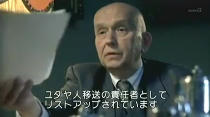
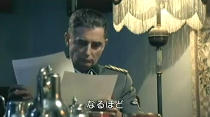
“The telegram lists the names of seventy Hungarian and German officials as responsible for deporting Jews.”
"I see. My name is there. Yours too, of course."
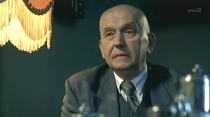
“I will not give in to threats like these.”
But for Hungary's regent, Admiral Horthy, international criticism was a serious problem. As the war turned against Germany, Horthy began to distance himself from the Nazis. On July 7, he informed Germany that Hungary's leadership would no longer cooperate in deporting Jews.
The Massacre of Roma
When the deportation of Jews from Hungary was officially halted, persecution intensified against another group held at Birkenau: the Roma. Even within the camp, they were kept in particularly appalling conditions.
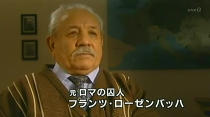
Former Roma prisoner Franz Rosenbach: “The conditions were terrible. Small children and adults were crammed in together. The children cried out with hunger and thirst, but because typhus was spreading, they were not even allowed water.”
The Roma suffered severe persecution. Twenty-three thousand were deported to Auschwitz, and twenty-one thousand died. The Nazis despised them as an antisocial, dangerous group.
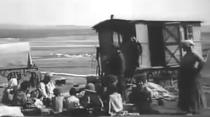
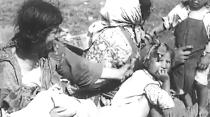
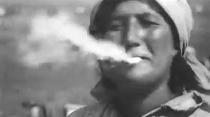
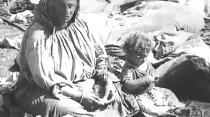
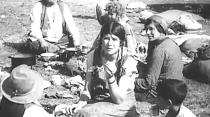
The night of August 2, 1944. The massacre of the camp's Roma was carried out. An enormous number of lives were taken in a single night.
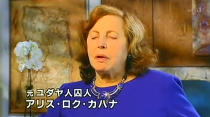
Former Jewish prisoner Alice Lok Cahana: "Our barrack was right beside the Roma camp, so we heard everything. It was a terrible night. There were shrieks, cries, and the smell of burning drifting over. The Roma knew where they were being taken. That was why they were all screaming."
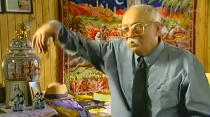
Former Polish political prisoner Władysław Szmidt: “Everyone resisted to the very end, biting and scratching. The SS men threw the children into trucks. If a child tried to jump out and escape, they beat their arms and hands with clubs and threw them back in. They broke the bones in their limbs so they could not escape.”
The Coup and the Ordeal of Budapest's Jews
Soon after the massacre of the Roma, changes began to appear at Auschwitz. Large-scale deportations of Jews from Hungary and Poland's Łódź Ghetto ended. The number killed each day fell from 10,000 in May 1944 to fewer than 1,000 by autumn. Members of the Sonderkommando forced to work in the gas chambers began to fear for their own lives.
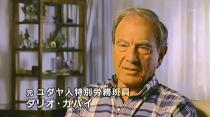
Former Jewish special labor squad member Dario Gabbai: ‘The SS kept replacing the squad’s members. We never knew when we would be killed.’
On October 7, 1944, the special labor squad at Crematorium IV revolted. They set the crematorium on fire and attacked SS guards with pickaxes and stones. Soon a revolt also broke out at Crematorium II. Some managed to escape into the woods, but all were caught and shot. Many special labor squad members who had not joined the revolt were also killed in reprisal.
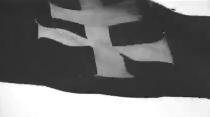
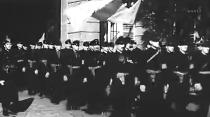
In the same month, a coup took place in Hungary. On October 15, 1944, the pro-Nazi Arrow Cross Party overthrew Horthy's government, which would not obey the Nazis (photo at right: part of the symbol, a cross with arrow-shaped ends, can be seen on the party flag being held up). Eichmann summoned the Jewish activist Rudolf Kastner.
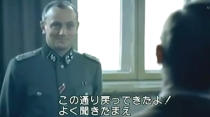
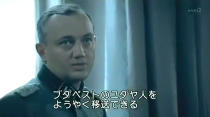
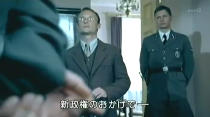
“As you can see, I am back! Listen carefully. Thanks to the new government, I can finally deport Budapest's Jews. This time, on foot.”
The Jews of Budapest, who had largely escaped deportation until then, finally became Eichmann's target. They were to be deported to Austria for forced labor. Because there were too few trains, they were forced to walk. In November, tens of thousands of Jews set out westward, and thousands died on the way.
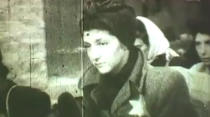
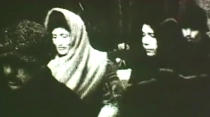
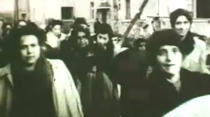
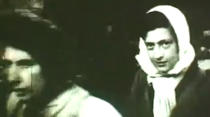
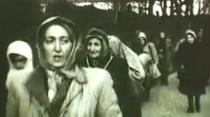
This earned Eichmann the displeasure of senior SS officers, who said he had needlessly squandered labor as the military situation deteriorated.
In December, Himmler summoned Eichmann to his private train.
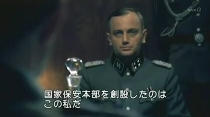
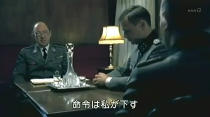
"I order that no more Jews be allowed to die. I created the Reich Security apparatus. I give the orders. If you cannot obey, say so."
Destroying Evidence of Mass Murder
Himmler knew German forces were struggling. By January 1945, even the SS men at Auschwitz sensed the end was near. They began frantically destroying evidence of mass murder.
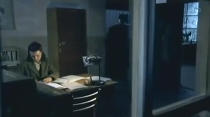
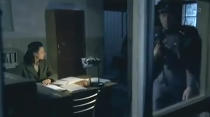
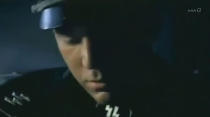
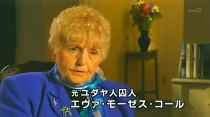
Former Jewish prisoner Eva Mozes Kor: “Explosions woke us in the night. The SS were blowing up the gas chambers and crematoria. We were ordered to march. Anyone unable to keep up was shot on the spot. After about an hour, we reached the main camp. At that moment, the SS men disappeared.”
For several days, 1,200 weakened prisoners were left in the main camp. Another unit was then supposed to enter the camp and shoot them. For the Nazis, prisoners who could bear living witness to mass murder could not be allowed to survive. More than 50,000 prisoners considered fit for labor were forced to walk to a railway line, enduring subzero temperatures.
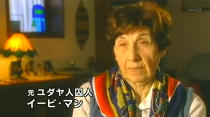
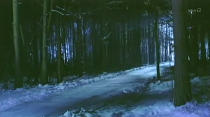
Former Jewish prisoner Evie Mann: "Just bending down to remove snow from your shoes could get you shot dead. The moment you bent down, it was over. We kept walking, constantly urged to hurry. There were large ditches on both sides of the road, and those ditches were full of bodies."
Amid the confusion, Sonderkommando members also managed to blend into the column.
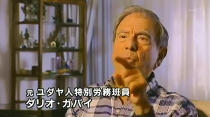
Dario Gabbai, former member of the Jewish Sonderkommando: "We got out of the camp alive because Soviet troops were approaching from Kraków and the SS were panicking. Wherever we went, they asked us one by one whether we belonged to the Sonderkommando, but everyone stayed silent."
On reaching the railway, the prisoners were crammed into open freight wagons and sent west in bitter cold below minus twenty degrees Celsius.
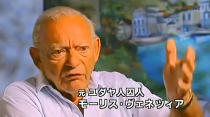
Former Jewish prisoner Maurice Venezia: “There was a German man standing there. He told us himself that he was German. Probably a habitual criminal or something. The freight car was packed tight. He said to me, I'll give you cigarettes if you let me sit down. I took two or three cigarettes, stood up, and let him sit. Five or ten minutes later, when I had finished smoking, I told him to get up. But he wouldn't. So two or three friends and I sat on top of him.About an hour later, we saw that he had suffocated, so we threw the body out of the freight car. How did I feel? I felt good. What did it matter if I killed just one of the Germans who had murdered all my relatives?”
—But you killed fellow prisoners, didn’t you?
Former Jewish prisoner Maurice Venezia: “...The man I killed was German. I would not do that to a real comrade. I wanted to sit down too. I was exhausted. Are you saying I should have helped him because he had given me a cigarette? He would not get up, so I sat on top of him and he died. Simple.”
As Germany’s defeat grew more certain, the time of reckoning approached for those who had participated in mass murder. SS members, including former Auschwitz commandant Rudolf Höss, went into hiding. Höss and the others sought to escape justice, while the Allies pursued them. Auschwitz would now reach a shocking conclusion.
〈End〉