
Leni Riefenstahl
Leni Riefenstahl
Leni was a girl who loved dancing.
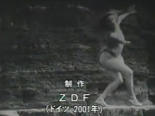
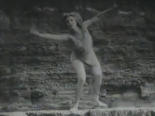
Early in the twentieth century, Leni entered Germany's burgeoning film industry and established herself as a captivating young actress. In the Hitler era, her talent blossomed as a director. But that success entangled her in tragedy.

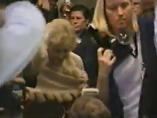
At the end of the twentieth century, a book chronicling Leni Riefenstahl’s turbulent life was published. At ninety-eight, she once again attracted worldwide attention.
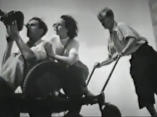
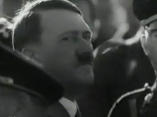
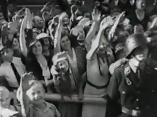
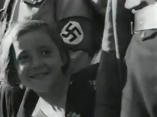
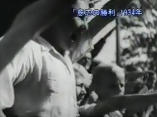
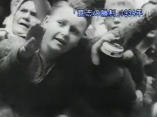
The film that brought Leni glory as a director, and later fierce condemnation, was a 1934 propaganda film for the Nazis, the National Socialist German Workers' Party.
 Film
Triumph of the Will, 1934
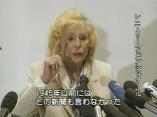
Leni Riefenstahl: “Before 1945, no newspaper called Triumph of the Will a propaganda film. The whole world praised me. Yet after the war they completely changed their attitude, and suddenly I was treated like a criminal.”
Into the World of Film

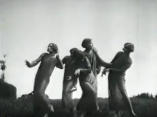
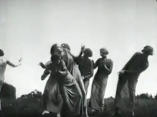
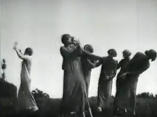
In the 1920s, just as Leni became fascinated by modern dance, the age was seeking new forms of expression. Believing in her talent and brimming with passion and ambition, she plunged into popular entertainment.
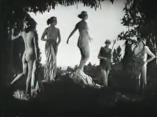
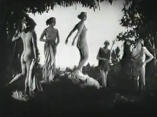
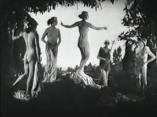
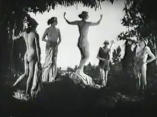
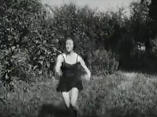
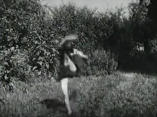
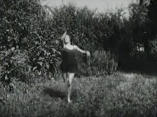
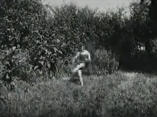
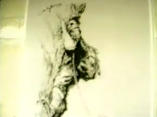
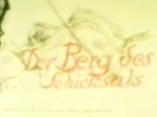
In 1923, an encounter at a Berlin underground station opened a new opportunity. A poster for the film Mountain of Destiny caught her eye as she passed. It inspired Leni's desire to enter the world of cinema, and bold efforts soon made that dream real.
In the 1920s, mountain films were major hits. Reckless men and beautiful heroines aimed for the summit of success.
Cinematographer G. Lantschner: "Riefenstahl had to meet the director's demands one after another. Acting in snowy mountains was dangerous and required considerable courage. But she tackled every performance enthusiastically and never complained that anything was too difficult."
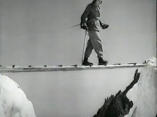
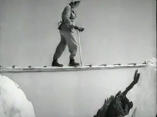
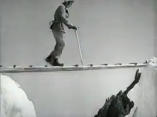
A performance worthy of a stunt performer. Filming in snowy mountains then involved neither doubles nor special effects. Even the avalanches were real.
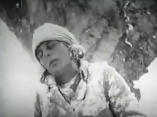
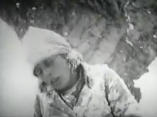
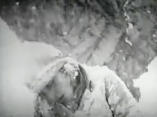
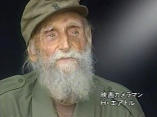
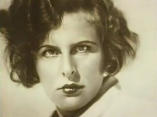
Cinematographer H. Ertl: "She was an exceptionally good actress. That is, she never acted in front of the camera. She was completely different from ordinary actresses who constantly calculate how they should behave.How can I put it—she merged completely with her role, became it. That made every performance utterly natural. That was Leni's appeal."
From silent films to the age of talkies.
 "Hello,
Hello?”
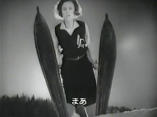 "Oh.
What a lovely view.”
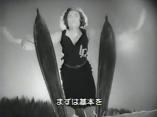 “First,
the basics.”
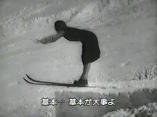 “The basics...
The basics matter."
Offers came pouring in, and the rising actress Leni played a wide range of roles, from action films to melodramas. But they did not satisfy her ambition.
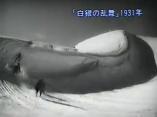
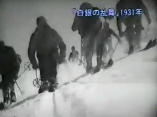 “Dance of the Silver Snow”
1931
The photograph at the far right
is a scene in which snow is smeared over the face
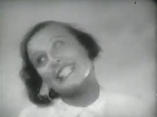
Director Arnold Fanck, who had chosen Leni as an actress, discovered her hidden talent for camera work. Between shoots, Leni used every spare moment to learn how to handle cameras and equipment, and the techniques of exposure, developing, and editing.
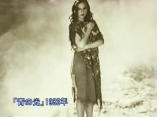 The Blue Light
1932
By 1931, she had written her own screenplay and was already attempting her first film as both star and director.
Beauty
Leni Riefenstahl, the gifted woman of the silver screen. Her beauty inevitably captivated the men around her.
 “Mont Blanc
storm’
1930
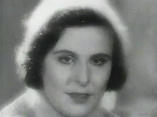
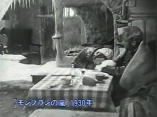
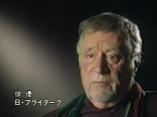
Actor B. Freitag: ‘She certainly was attractive—her well-proportioned figure, her manner, the way she looked at people. For her, captivating—not ten, perhaps, but two or three actors—would have been child’s play.’
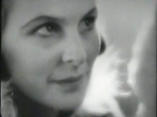
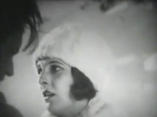
Leni repeatedly fell passionately in love with co-stars and colleagues. Men competed for her attention. But none of these flirtations lasted long. The person destined to share her life had yet to appear.
Meeting Hitler
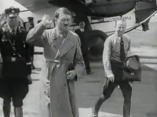
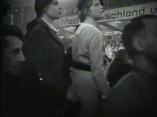
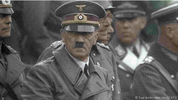
Germany in the early 1930s. Driven by his ambition to seize power, Adolf Hitler campaigned energetically across the country. Leni Riefenstahl casually attended a Nazi political rally and was captivated by Hitler's fiery rhetoric.
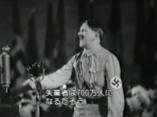

Hitler: “One million...two million...three million...four million...five million...six million...seven million. The unemployed will number seven million.”
Years later, Leni recalled this fateful encounter: “It was as though the ground rose before my eyes, suddenly split down the middle and sent water bursting out with tremendous force. I simply listened, spellbound.”
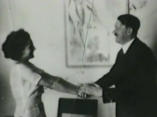
Leni wrote Hitler a letter. It was the beginning of a fateful friendship.
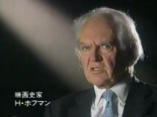
Film historian H. Hoffmann: “Hitler, too, had been moved by her early films. So he welcomed Leni's wish to get to know him. There had been no artists around him, and artists had not sought his favor. Riefenstahl was therefore the first person to respond to his love of art.”
Nazi propaganda gradually numbed its audiences' minds.
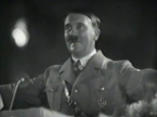 Afterward,
He makes this expression and gesture.
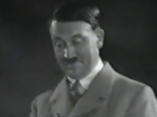 This famous
Immediately after the gesticulating speech, Hitler
Raising his eyebrows
Surprisingly calm...
…expression on his face.
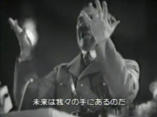
Hitler: "Let us rejoice. The future is in our hands."
Propaganda
The strategy for stirring up the masses was devised by Hitler's aide, Propaganda Minister Goebbels.
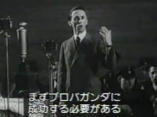
Goebbels: ‘For a ruler to succeed, he must first succeed in propaganda. Politics and publicity are inseparable. The success of government depends on political propaganda.’
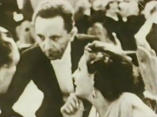
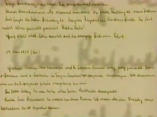
Goebbels wrote in his diary on May 17, 1933: 'In the afternoon, met Leni Riefenstahl. I suggested she make a film about Hitler. She became enthusiastic about the project.'
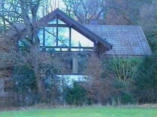
Now, more than fifty years after the war, Leni looks back and insists she never became infatuated with such invitations. She lives in a world of memories at her house on Lake Starnberg.
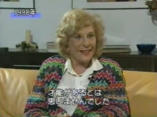 [1998]
Leni Riefenstahl: ‘I did not think I had the talent. I had never made a documentary. I wanted to be an actress rather than a director. But I could not refuse.’
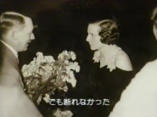
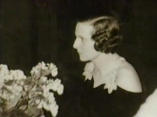
Even if she was initially reluctant, as she claimed, the proposal must have been overwhelmingly attractive. It was a chance for advancement in the film industry, money and fame.
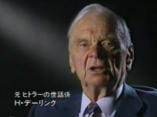
Former Hitler attendant H. Döring: ‘She visited the Reich Chancellery in Berlin regularly. At one point, almost every day—sometimes several times a day. But it was entirely business, not pleasure or romance. They discussed the film she was going to make, but Hitler was slow to decide. He kept coming up with new ideas, and each time Leni was summoned to the Chancellery.’
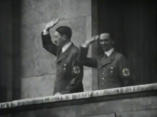
What they were planning was a major propaganda film about Hitler and his Party.
Goebbels's diary: “After discussions with Hitler, Leni Riefenstahl began filming.”
The films Victory of Faith, Triumph of the Will and Day of Freedom
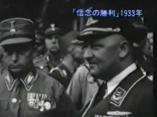 'Victory of Faith'
1933
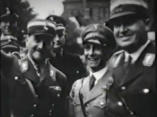
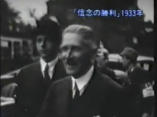
Nuremberg, 1933. Leni was entrusted with the major task of recording the first Party rally after Hitler's seizure of power. Grand celebrations unfolded before Riefenstahl's cameras. She tackled the difficult assignment boldly.
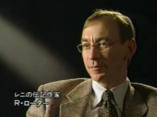
Leni's biographer R. Rother: "It was a test of nerve, you might say. For her very first documentary, she was suddenly entrusted with a Nazi Party rally. Victory of Faith was not a perfect achievement for her. There was too little filming equipment, and on location she had to use whatever was available."
The dictator, too, was experimenting with how to present himself. His behavior still seemed somewhat awkward.
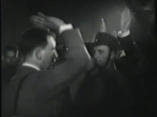
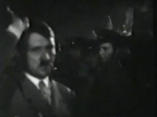 Nazi Salute
while still doing so
Hitler turning to the right
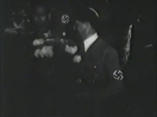
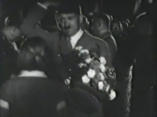
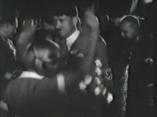 With a girl who came to present a bouquet
Exchanging Nazi salutes,
Immediately afterward, to the person on the right
Hitler awkwardly presents a bouquet

Leni's biographer R. Rother: "In footage of Hitler from this period, we glimpse comical gestures of which he himself was unaware. He did not yet know exactly how to behave before the camera."
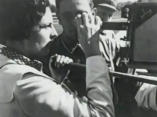
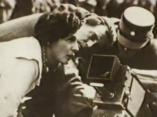
The following year, 1934, Leni Riefenstahl was summoned to Nuremberg again to film the Party Congress. Drawing fully on the previous year’s experience, she was thoroughly prepared this time. Leni began shooting a film to dedicate to Hitler.
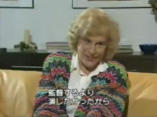 1998
‘Filming Triumph of the Will took only ten days. I was not originally meant to direct it, and I was rather reluctant. I wanted to act, not direct.’
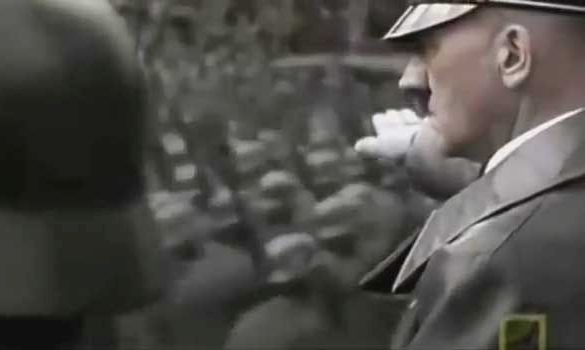
Triumph of the Will is regarded as the twentieth century's most effective propaganda film. Its stylized images deliver a powerful message: the Nazi slogan that the individual is insignificant and the state is everything. Forty cameramen and thousands of extras were mobilized for filming. And there was only one star.
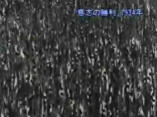 Triumph of the Will
1934
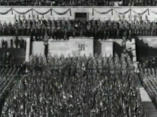
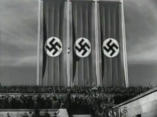
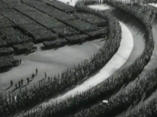
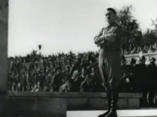
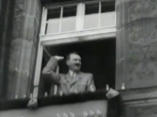
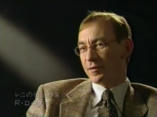
Leni's biographer R. Rother: "What was particularly unusual was the camera placement. She filmed people from many different heights. Her intended composition had the crowd looking up at Hitler, and Hitler looking down at the crowd. She staged the love between the ruler and his people."
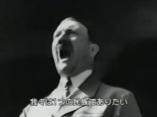

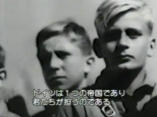
Hitler: "We want to be one people. Young men, prove worthy of your people. Our future needs neither class nor rank.
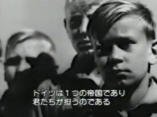
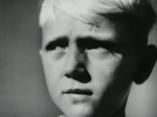
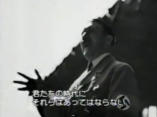
Such things must not exist in your time. Germany is one Reich, and you will carry it forward.”
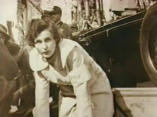
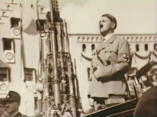
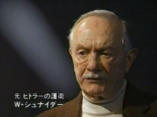
Hitler's former bodyguard W. Schneider: “Leni Riefenstahl became an indispensable asset in consolidating Hitler's power. In her films, Hitler appeared to be the leader audiences wanted him to be. But the reality was entirely different. Hitler himself used to say, ‘I am Germany's greatest actor.’”
Hitler was pleased with the scenes featuring him. But he noticed something missing: scenes emphasizing his power, the armed forces. His military would therefore take center stage in the next film.
In the film Day of Freedom, Hitler's fully armed empire displays its power with a menacing roar. The world stared wide-eyed at the mass of weaponry on screen. For now, it was merely a military exercise. Four years later, however, the fighting would become real.
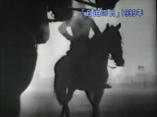 'Day of Freedom'
1935
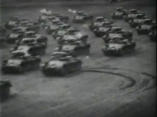
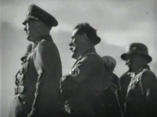
Leni steadily built her record of achievements and became close to Nazi leaders.
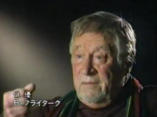
Actor B. Freitag: “Leni was close enough to the Nazi leaders to shake hands frequently and exchange knowing glances with them. How could she possibly have kept her distance from politics? Or was she hiding her true feelings and merely pretending to believe in Nazi ideology? I think she sincerely sympathized with the Nazis at the time. Once you become deeply involved and acquire that much power, it must be very difficult to resist authority.”
Conflict with Goebbels
Propaganda Minister Goebbels felt threatened by Leni’s success. In 1933, their relationship was still amicable.
Goebbels's diary: “She is the only star who understands us.”
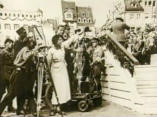
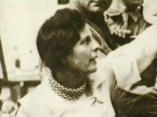
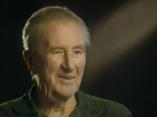
Goebbels's former aide W. V. Oven: “Leni Riefenstahl had a very good relationship with Hitler. By asking him, she could obtain anything she needed to make a film. She needed an enormous number of cameramen for those large-scale productions. There were not as many technicians then as there are today, but she mobilized every person she could find. As a result, the production of all propaganda films under Goebbels's authority was effectively paralyzed. So Goebbels came to hate her increasingly, and Leni responded coldly to him in turn. It was during the intensifying conflict between them that Leni claimed Goebbels had touched her body.”
Noticing the quarrel between his aides, Hitler deliberately brought the two together to reconcile them.
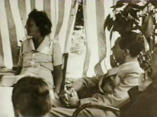
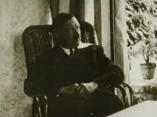
The two chat pleasantly beside the chancellor.
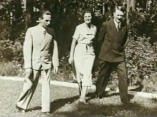
An affectionate stroll in the countryside.
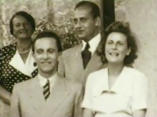
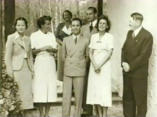
Before the press, the two acted as though they were friends again.
A Little-Known Incident at the Berlin Olympics
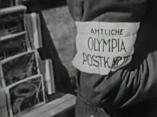
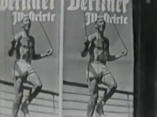
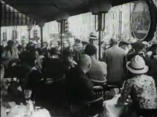
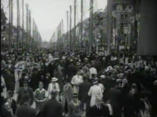
Berlin, 1936. The capital of Germany's Third Reich was alive with excitement over hosting the Olympics.
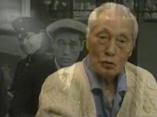
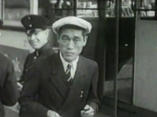
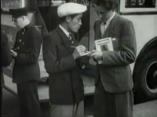
Hitler's regime offered visitors from around the world a fleeting illusion of peace.
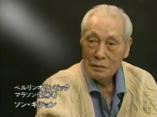
Berlin Olympic marathon champion Sohn Kee-chung: “We athletes received a very friendly welcome. In the Olympic Village we were repeatedly invited to parties and events. But we could not go sightseeing, so we knew nothing about conditions outside.”
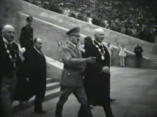
The dictator headed to the stadium. The Olympics, a festival of peace and sport, also served as Nazi Germany's showcase. Recognizing their propaganda value, Hitler poured state funds into them without restraint.
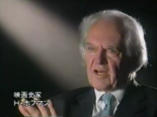
Film historian H. Hoffmann: "Foreign visitors to Germany saw Hitler as someone they could like. But this was a manufactured image. The dictator in the stadium was dressed up in rosy colors. Every publicly released image of Hitler had been selected through meticulous preparation and censorship. He was always staged as a figure with a certain aura, overlaid with the wholesome image of sport."
This footage was rejected by the censors at the time. Führer Hitler sways like a sleepwalker throughout the sporting event. (Note: photo below. Hitler keeps shifting restlessly forward, backward, and from side to side. He is not leaning forward to watch; it looks extremely unnatural. Of course, not one of the officials around him behaves this way.)
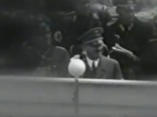
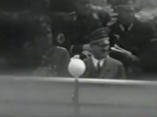
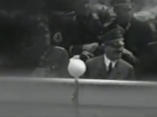
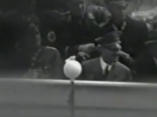
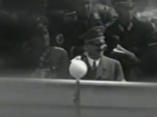
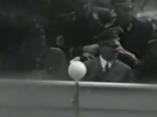
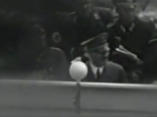
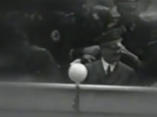
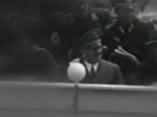
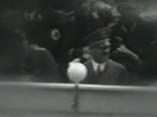
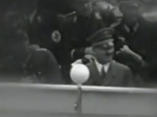
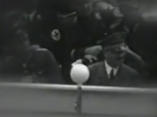
Footage undermining the dictator’s dignity was withheld from the public.
Cinematographer H. Ertl: “An incident occurred during filming, at the swimming stadium. A beautiful young woman wearing a hat suddenly appeared. Carrying a bouquet, she ran toward where Hitler was sitting. Of course that should never have been allowed, but she approached Hitler with the flowers. Then, astonishingly, as she offered him the bouquet, she embraced him and kissed him passionately in front of the huge crowd.”
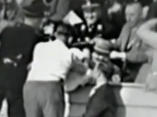 Was hugged
Moment
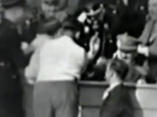 jumping in surprise
Hitler moving it aside
Cinematographer H. Ertl: "Immediately afterward, SS men came and demanded the film we had just shot. Leni argued with them for a while, then told us to cut out just that section and hand it over."
The Film Olympia
Leni Riefenstahl began a grand visual epic centered on the festival of sport. Filming also took place outside the stadium. On the Baltic coast she used models to evoke the origins of sport. Strength and beauty. The beauty of the human body. It was the ideal of the age, and her own ideal too.
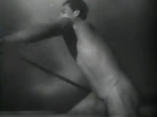
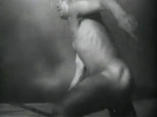
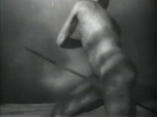
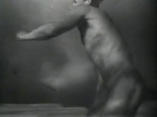
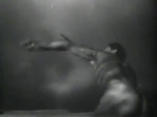
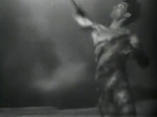
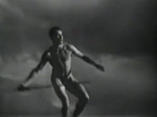
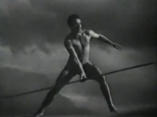
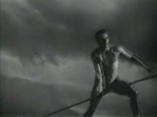
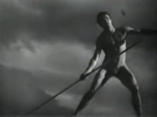
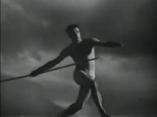
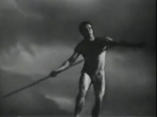
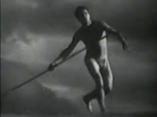
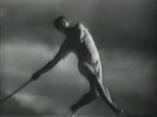
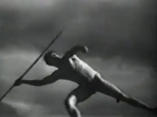
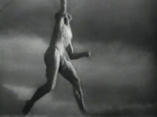
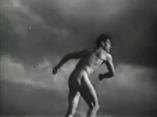
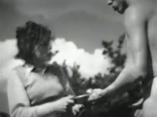
'I am interested only in beautiful things.' After the war, this was Leni Riefenstahl's reply whenever some critics denounced these images as fascist.
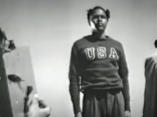
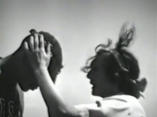
Heroes of many ethnicities. The racial discrimination practiced by the Nazis is concealed in the film.
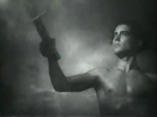
After the Olympics, Leni Riefenstahl shut herself in the editing room with an enormous quantity of footage. The two-part, four-hour epic was completed two years later.
"It took ten weeks, watching ten hours a day, to go through all the footage once. There were one hundred thousand meters of unedited film. From that, we had to select and edit just four hours. It was a staggering task."
Thus Leni elevated sport into art and created a masterpiece of cinema history. (Photograph below: Olympia, 1938)
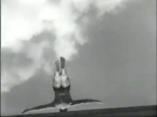
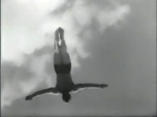
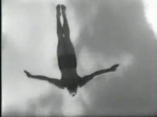
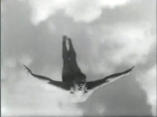
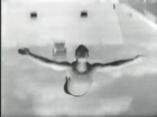
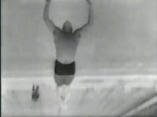
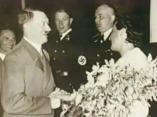
In 1938, at Leni’s wish, the film opened on Hitler’s birthday. The dictator was moved and greatly satisfied.
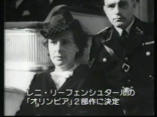
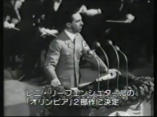
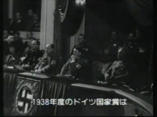
Goebbels on the podium: "The 1938 German National Prize goes to Leni Riefenstahl's two-part Olympia."
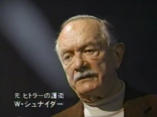
Hitler's former bodyguard W. Schneider: “Leni Riefenstahl's artistic talent served Nazi Germany's propaganda and gave it a beautiful outward form. In that sense, she was a leading force behind the Party.”
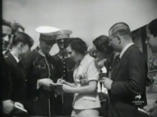
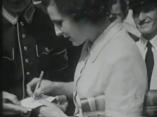
After its release, the film became famous abroad as well. Its director embarked on a world tour with it. Neighboring Austria had just been annexed to Germany by Hitler.
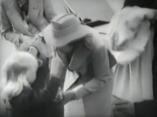
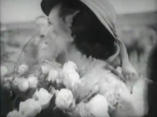
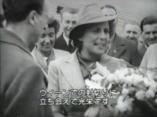
Leni Riefenstahl: “I am honored to attend the premiere in Vienna. It has been five years since I was last in Austria, and this is my first visit since the Führer came to power.”
The Relationship with Hitler
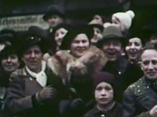
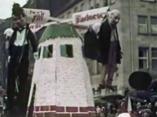
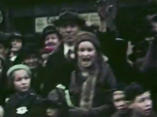
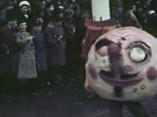
At the same time, grotesque antisemitism became popular entertainment at Nuremberg's carnival.
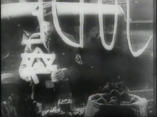
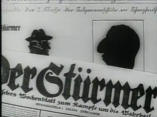
Nazi anti-Jewish policies grew increasingly radical. Among their leading proponents was a friend of Leni's: Julius Streicher, one of the war criminals executed after the war.
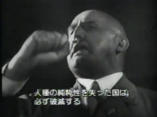
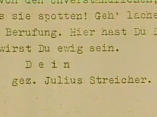
Julius Streicher: “A nation that loses its racial purity will inevitably perish.”
In 1938, he wrote to Leni: “Dear Leni. Time spent with you is always worthwhile. Fulfill your great mission with that smile. Yours, Julius Streicher.”
In November 1938, the large-scale attack on Jews known as Kristallnacht took place. From then on, Nazi Germany openly pursued anti-Jewish policies.
Leni was not in Germany at the time. She was visiting the United States. Reporters confronted her with the issue on everyone's mind.
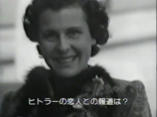
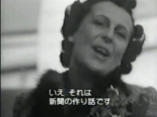
—What about reports that you were Hitler's lover?
"No, that is a fabrication."
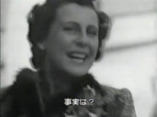
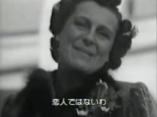
—What are the facts?
“We are not lovers.”
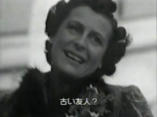
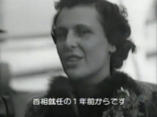
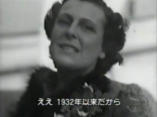
—An old friend?
"Yes. Since 1932—a year before he became chancellor."
The relationship between Hitler and the beautiful film director was the subject of gossip in Germany too. Was there more than friendship between them?
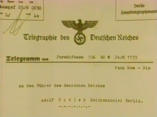
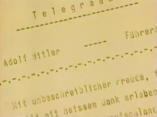
In 1939, Leni spent her summer holiday at a mountain residence in South Tyrol. Her birthday was August 22. Three days later, a telegram from her to Hitler arrived at the Reich Chancellery in Berlin.
‘—The Führer’s birthday wishes were more wonderful than anything. Every time I touch the crimson flowers, I feel happiness beyond words.’
She now claims that this telegram is a forgery.
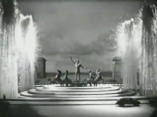
As war approached, Hitler was devising an enormous plan in Berlin: to rebuild the city completely as Germania, the capital of the world.
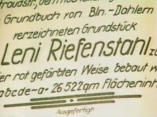
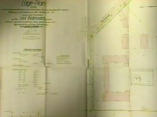
The blueprints depicted an enormous complex: Riefenstahl’s studio, covering 26,000 square meters. It was a token of Hitler’s friendship for her.
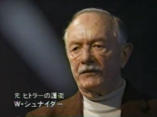
Former Hitler bodyguard W. Schneider: ‘One day at the Reich Chancellery in Berlin, I was ordered to set a dining table in the great hall. Before long, SS General Brückner appeared with Leni Riefenstahl, and then Führer Hitler arrived. The two exchanged greetings…but the scene at that moment is vividly burned into my memory. Her beautiful eyes, gazing at the Führer, glittered as if on fire. There was something extraordinary in the atmosphere.’
Hitler praised Leni's talent, and Leni revered him as her leader. Their good relationship continued into the war.
Shock at the Horrors of the Front
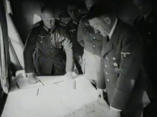
In September 1939, the Second World War began in Poland. The supreme commander immediately went to the war zone.
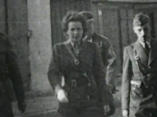
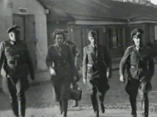
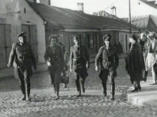
Leni also headed to Poland, following in Hitler's footsteps, to film the German army in action.
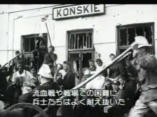
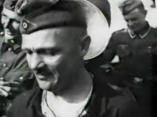
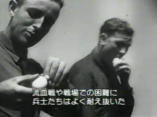
Film narration: “The soldiers endured bloody battles and the hardships of the battlefield admirably.”
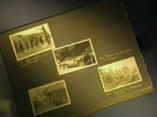
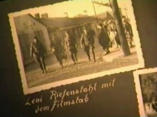
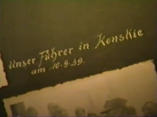
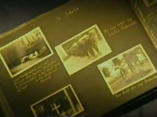
Photographs of Riefenstahl's visit to the front survived in a German's album. She intended to film soldiers elated by victory. But something unexpected happened: Wehrmacht soldiers were shot at a frontline encampment.
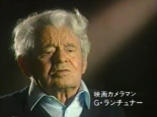
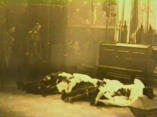
Cinematographer G. Lantschner: "We were just about to film the encampment when something unexpected happened. Several people were killed. Seeing it upset her, and she ultimately canceled the filming."
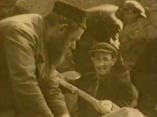 Digging graves...
Jewish people being...
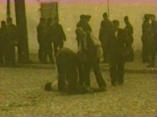 shot de—
Photograph of the street where ... occurred
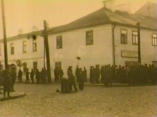
Wehrmacht soldiers vented their anger on people unconnected with the incident. Polish Jews were forced to dig soldiers’ graves and then shot in the street. Leni Riefenstahl witnessed the gruesome scene and confronted the reality of war.
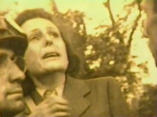
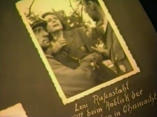
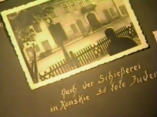
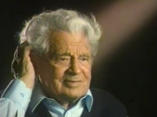
Cinematographer G. Lantschner: “She was so shocked that filming became impossible. She simply wanted to leave that nightmarish place as quickly as she could.”
The Film Tiefland — Marriage
Even after she stopped filming combat, her obedience to her patron remained unchanged.
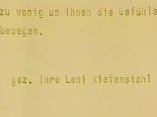
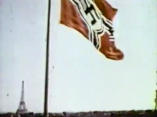
Nazi Germany's triumphant advance soon led to the occupation of France. There is no doubt that the congratulatory telegram she sent Hitler on this occasion was genuine.
'My Führer. Congratulations on your great victory and Germany's. Words alone cannot fully convey my emotion. Yours, Leni Riefenstahl.'
During the war, Leni Riefenstahl concentrated on filming Lowlands, a feature she had long wanted to make. It was her second attempt at a dramatic feature film.
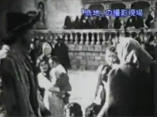 of Lowlands
Filming Location
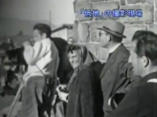
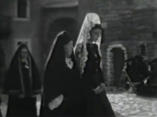
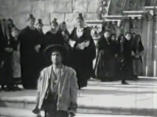
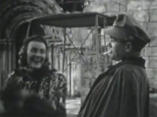
Tiefland was filmed in Mittenwald in southern Germany. Its shooting schedule stretched on year after year. She could continue making a film unrelated to the war only because powerful people protected her.
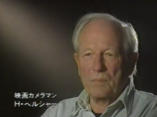
Cinematographer H. Hölscher: "During filming—it was autumn—we had heavy snow and everything turned white. Since snow was unwanted in the scene, she telephoned someone at the Reich Chancellery and asked them to send a company of soldiers immediately to clear the roofs. A company actually arrived. Its commander was Peter Jacob. Apparently, as soon as he met Leni, he bluntly told her she was crazy to make him and his men shovel snow. After that she became infatuated with him. To our surprise, she actually married him toward the end of the war."
This marriage, too, did not last and was dissolved soon after the war.
Postwar Activities and Claims
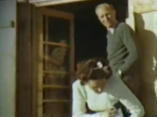
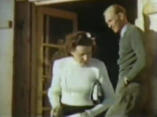
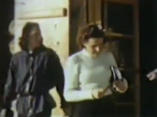
By the time the feature Lowlands was completed, war dominated everything, and films without military importance no longer had opportunities for release. It was increasingly clear to everyone that the war was turning against Germany.
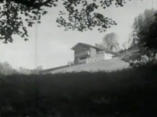
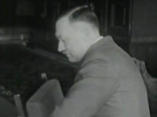
In 1944, Leni Riefenstahl visited Hitler's mountain retreat. At what would be their last meeting, the dictator looked dispirited.
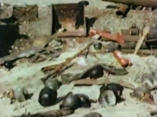
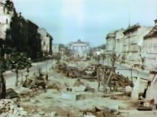
May 1944. Germany's unconditional surrender ended the war in Europe. The Allied forces thoroughly investigated those responsible for Nazi Germany's war and their collaborators. Film director Leni Riefenstahl too was detained and interrogated as an important figure in Nazi Germany.
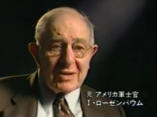
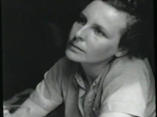
Former American army officer I. Rosenbaum: “My first impression during the interrogation was of a sick woman who had broken down inside. She did seem physically unwell. We had thought of her as a friend of Goebbels and Hitler who willingly cooperated with the Nazis. But that bold, fearless image did not fit the frail woman before us. She was utterly crushed. I think she would have liked to forget everything, if she could.”
Held responsible for her involvement in Nazi propaganda, she would thereafter face relentless, severe criticism.
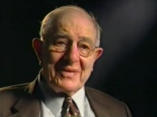
Former American military officer I. Rosenbaum: "I think Riefenstahl understood what she had done and her responsibility to society. But she refused to acknowledge it. Perhaps she hoped to preserve her dignity and justify herself. Yet her words and actions were full of deception. Even she herself can have found her excuses no more than half convincing."
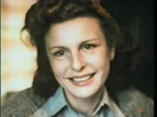
The investigation concluded that Leni Riefenstahl had been a Nazi sympathizer. She has continued to insist that she had nothing to do with politics and that her postwar assessment was unjust.
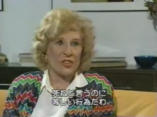
Leni Riefenstahl (1998): “Society erased me. I loved film, devoted myself to it and searched for new art, yet they kept me from filmmaking for fifty years. It was the same as telling me to die.”
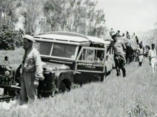
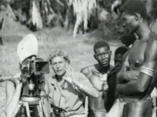
She was not banned from working in film. In 1956, filming of the feature Black Cargo began in Africa.
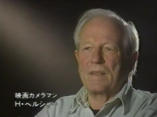
Cinematographer H. Hölscher: "Black Cargo is the story of a researcher. To find her husband, who has vanished in Central Africa, his wife sets out with a slave trader. Scenes such as the transport of slaves were to be filmed in the African wilderness itself."
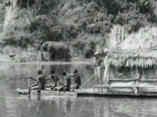
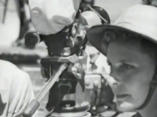
Months passed on location while she worked out the scenes. During that time, not even a meter of film was shot.
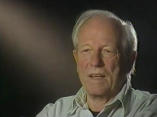
Cinematographer H. Hölscher: “A great deal of time had passed, and even the filming boats were ready, yet there was no concrete plan for which scenes to shoot when. Such a leisurely, absurd approach was no longer workable.”
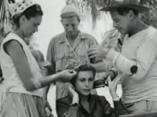
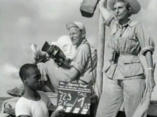
Leni intended to play the lead herself in this film and make a comeback as an actress. But just as a few screen tests had finally begun, the financiers decided to withdraw. Filming ground to a halt.
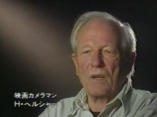
Cinematographer H. Hölscher: "All directors at the time worked under similar conditions; she was not singled out for especially cold treatment. But she could not compromise with those conditions. She was not buried by others; she defeated herself."
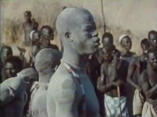
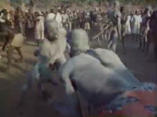
In Africa, Leni found something other than film to devote herself to. She eventually published a photographic book about the Nuba people of Sudan.
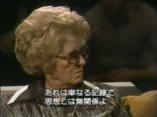
Leni Riefenstahl: ‘Wait. Listen. If you mean Triumph of the Will, which I directed in 1934, that was simply a record, unrelated to ideology.’
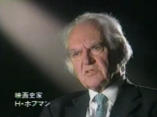
Film historian H. Hoffmann: "She lives within her own truth and does not even perceive contradictions in her words and actions. Of course she condemns Nazi policy toward the Jews, but she firmly believes that Hitler himself, and her relationship with him, are entirely separate matters."
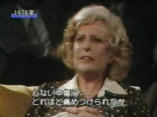
Leni Riefenstahl (1976): “Being treated like a witch for decades shattered my nerves. How deeply I was hurt by that heartless slander.”
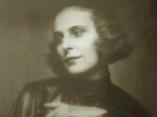
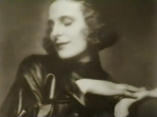
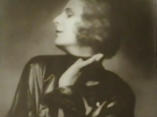
Today, looking back over the twentieth century, the world is trying to reassess objectively Leni Riefenstahl's extraordinary talent and influence. But she herself no longer even cares how her age judges what she did.
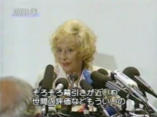
Leni Riefenstahl (2000): "All I can do is live out my life. The final curtain is approaching. I don't care what the world thinks."
On the stage of life, Leni Riefenstahl is determined to play her role to the end. The truth is within her and will vanish with her.
〈End〉