Rainer Höss
Rudolf Höss's Grandson—Rainer Höss
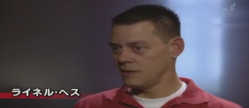
“I do not think changing my name would change anything. Knowing who my grandfather was is enough. Even if I took my mother's surname, it would not change the fact that I belong to that Hess family.”
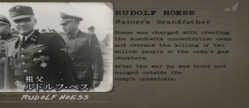
Rainer's grandfather, Rudolf Höss, built Auschwitz concentration camp and served as its commandant. He is said to have murdered two million people in the gas chambers. Tried after the war, he was hanged outside the camp crematorium.
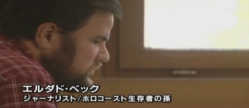
Eldad Beck (journalist/grandson of Holocaust survivors): ‘I met Rainer Höss as a journalist. The Holocaust memorial informed me that it had received a letter from the grandson of the man who had been commandant of Auschwitz. I hoped that, as his grandson, he might have photographs showing what happened there. I was also curious about what sort of person he was.’
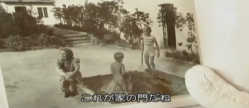
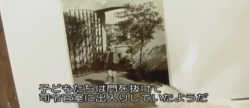
Eldad Beck: “This is the gate to the house. Where is the camp?”
Rainer Höss: “Outside here.”
Eldad: "The other side?"
Eldad: “Yes. It seems the children went through the gate and in and out of the commandant's office.”
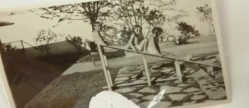
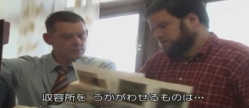
Rainer: "This is the gate."
Eldad: ‘They lived here?’
Rainer: “Yes.”
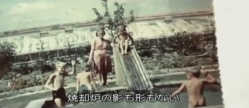
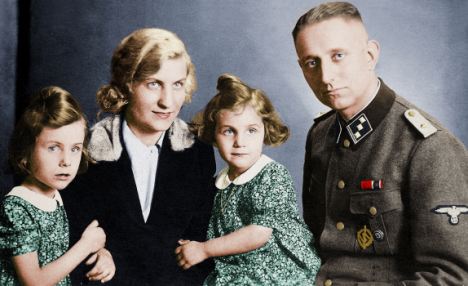
Eldad: “There is nothing in any of these pictures to suggest a concentration camp...”
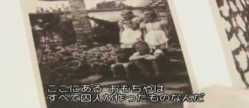
Rainer: "A peaceful family photograph."
Eldad: ‘There is no trace of the cremation ovens.’
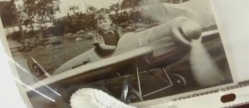
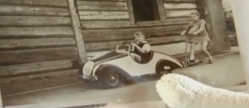
Rainer: “All the toys here were made by prisoners.”
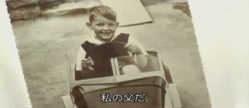
Rainer: ‘My father.’
Eldad: "Yes."
Eldad Beck: “Apparently, as a child, Rainer was unable to join a visit to Auschwitz because of the name Höss. I told him I had never been either and invited him to go with me.”
“As far as I know, my father was as cold-hearted as my grandfather. I never once wanted to sit on his lap. He strictly forbade us to show weakness or emotion. If we cried, we were beaten badly.”
"My father never abandoned Nazi ideology. Like my grandfather, the commandant of Auschwitz, he remained a fanatical believer in the Third Reich.Since my parents divorced, I have had no contact with my father. We last spoke when my daughter was born in 1984. I have no wish to contact him in future."
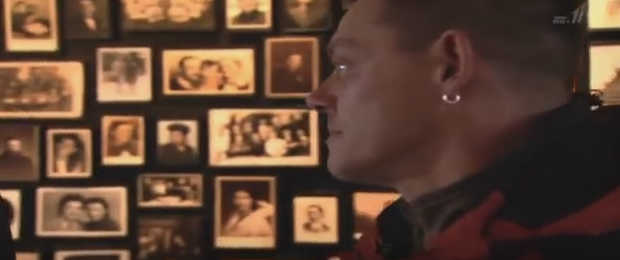
“Eldad kept reading the documents. I tried to listen to music, but could not concentrate. I was very anxious about the people I would meet at Auschwitz, because I look so much like my grandfather. I became afraid they would see my face and realize I was Höss’s grandson.People who do not bear a name like this may not understand. People with no connection to Auschwitz, especially, could hardly understand this feeling. We turned out the light at 1:30 a.m. Eldad apparently could not sleep soundly either. I kept looking at the photographs. I simply could not calm myself.Again and again—that accursed gate appeared before my eyes. In my mind I called it the gate to hell. I felt as if this photograph were accusing me. Through this gate, they too must have seen hell.”
[Oświęcim, southern Poland]
Guide: "Auschwitz was the first camp, and its commandant was Rudolf Höss. Construction of Birkenau began in 1942 in a village three kilometers away. That was Auschwitz II concentration camp."
Rainer Höss: “My hell. For the descendants on both sides, this place is hell. ...What a shock.” (Note: Rainer enters the house with the gate he had seen in photographs.)
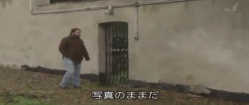
Guide: "This house is not open to the public."
Rainer: “What? The gate. Just as in the photograph.”
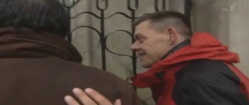
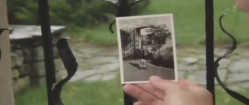
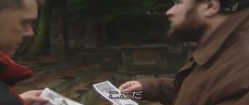
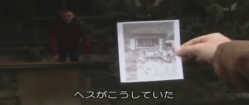
“Here.”
‘Höss was doing this in the photograph. Exactly the same.’
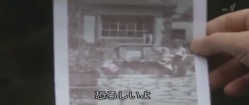
"Amazing."
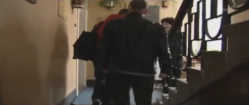
"It's horrifying. While they were killing children here one after another, he brought his family and raised his own children here. And gave them a perfectly ordinary life."
“It gives me chills.”
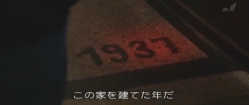
“The year this house was built.”
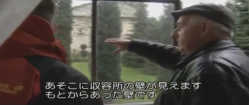
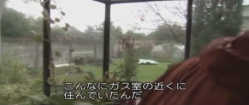
Guide: “There is a small garden. You can see all of it. We closed the greenhouse. You can see the camp wall over there. It is the original wall.”
Rainer: ‘They lived this close to the gas chamber.’
Rainer: ‘Is this the commandant’s office?’
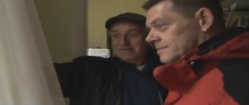
Guide: “Yes. It is designed so you cannot see them. The chimneys. You cannot see the crematorium, the two gas chambers, or the prisoners either. It is special window glass.”
“Your father grew up with the smell and the smoke.”
Rainer: ‘Apparently, when they picked strawberries, Grandmother told them to wash them well.’
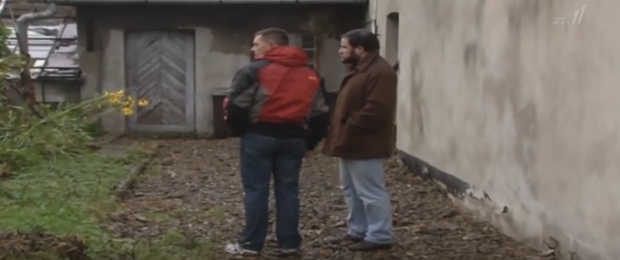
Rainer: ‘It hurts. It was insane. Everything rested on other people’s suffering. And yet they insisted nothing like that had ever happened, that they themselves were decent. It is madness.’
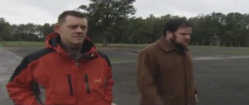
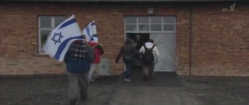
(Note: A group of visiting students carrying an Israeli flag was there. Rainer joins them.)
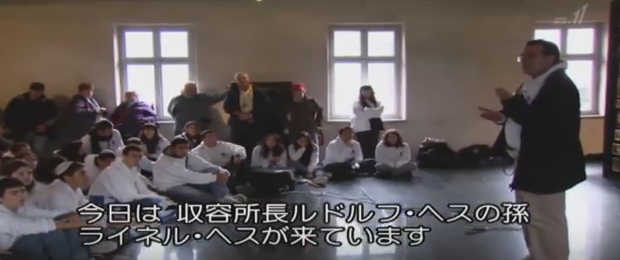
(Note: The teacher addresses the students.)
Teacher: "Today we have Rainer Höss, grandson of camp commandant Rudolf Höss. He has invited dialogue with us. I have only just met him myself..."
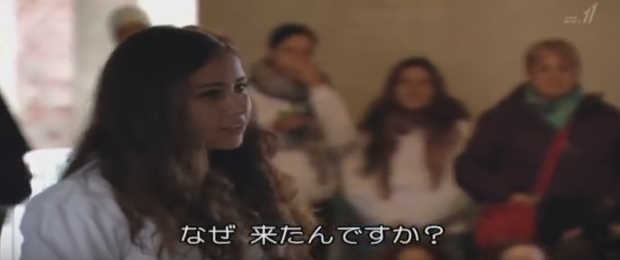
Student: “Why did you come?”
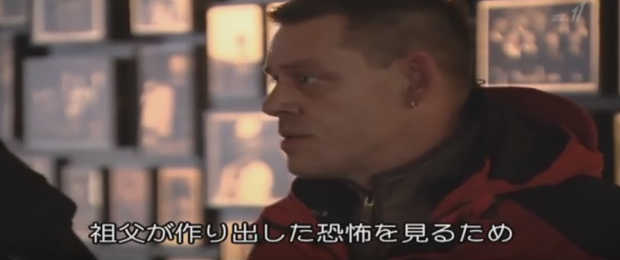
Rainer Höss: “Why did I come? To see the horror my grandfather created. And to find the truth behind the lies.”
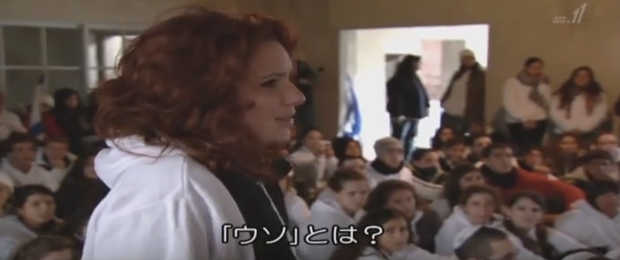
Student: “What do you mean by lies?”
Rainer: “My family's lies. As a child I saw my grandmother and asked several times what this name meant. But I got no answer. There was much that was never discussed in the family.”
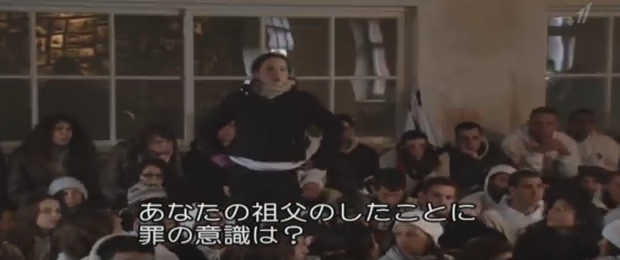
Student: “Do you feel guilt about what your grandfather did? Do you feel responsible?”
Rainer: “I feel guilty.”
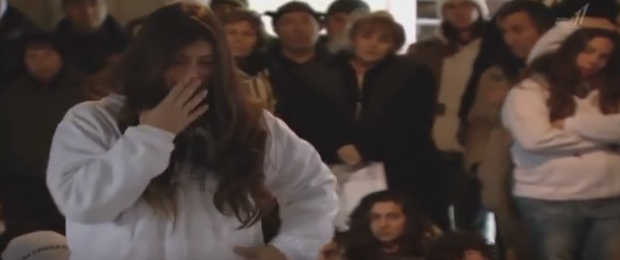
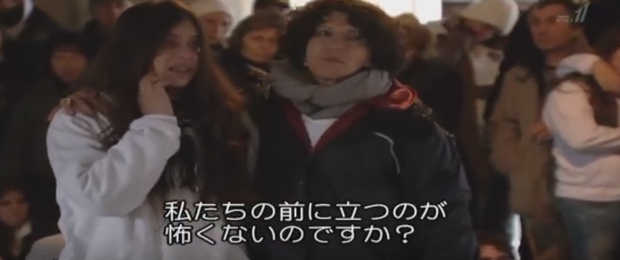
Student: “Your grandfather tortured people, murdered them... (begins crying). He massacred my family. Aren't you afraid to stand before us?”
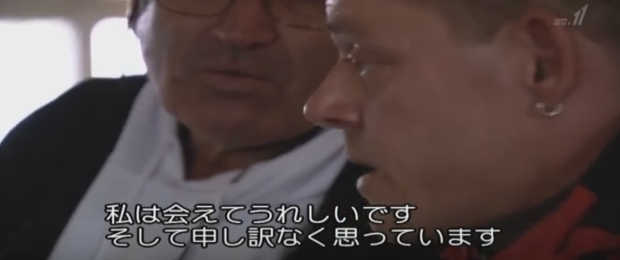
Rainer: “I am glad to meet you. And I am sorry.”
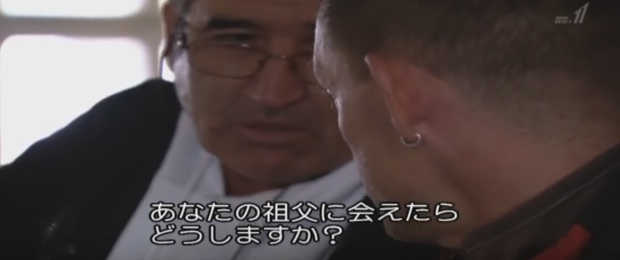
Teacher: ‘What would you do if you could meet your grandfather?’
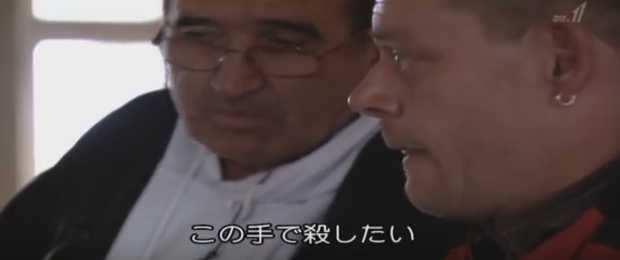
Rainer: “Do you want to know what I would do? I would want to kill him with my own hands.”(Note: loud laughter from those present)
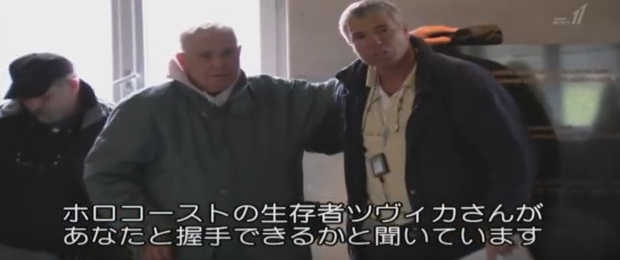
Teacher: “Tzvika, a Holocaust survivor, is asking whether he may shake your hand.”
(Note: the elderly man, Zvika, walked from the back of the venue toward Rainer.)
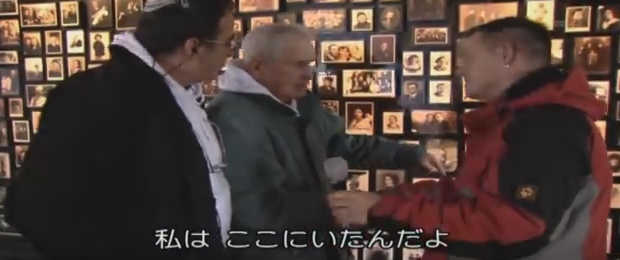
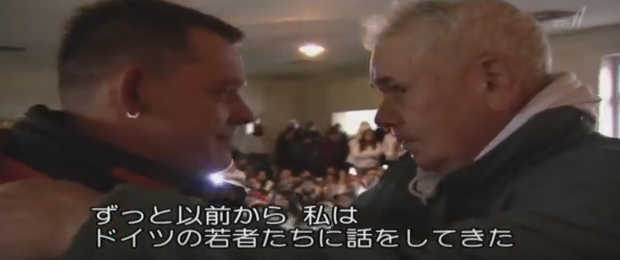
Tzvika: "I was here.
(Note: the students applaud.)
...For a very long time, I have spoken to Germany's young people.
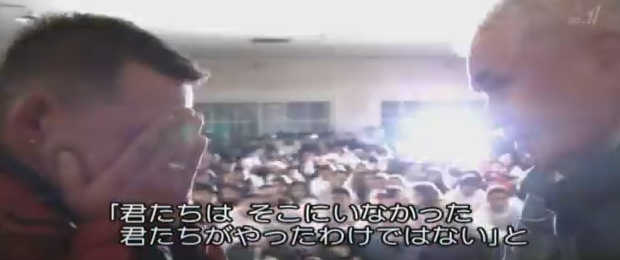
“You were not there. You did not do it,” he said.
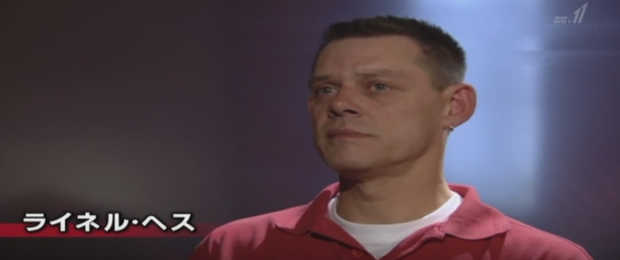
"An Auschwitz survivor came closer—step by step... I was afraid. I was bewildered. And then—I was overwhelmed. I felt as if my father were behind me, scolding me: Don't cry. Don't show your emotions. At that moment the ultimate shock struck me. An Auschwitz survivor stood before me, took my hand... and said, You don't have to feel guilty. My throat tightened. That was it. I could no longer hold back. My mind went blank; I no longer knew what was happening. Then an emotion different from fear or shame welled up. I felt happiness and heartfelt joy. Someone who had survived such a terrible experience told me: It wasn't you. You didn't do it."
Rainer: “Thank you. I hope we can begin to change things from here.” (Shakes hands with passing students.)
"I'm glad I could see you."
(Rainer receives a brooch)
Rainer: ‘Did you make this yourself?’ (Eldad watches the scene.)
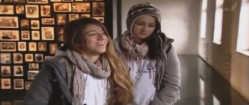
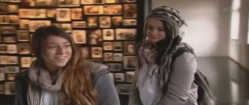
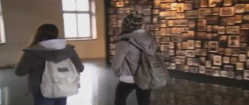
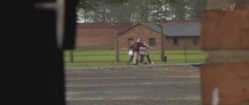
Eldad Beck: “Meeting Rainer may have brought the students some comfort. Seeing him and hearing him speak probably helped resolve a little of what had been weighing on them.It was not really enough, but it gave them a small measure of peace.” (The two students who handed Rainer the brooch walk away from Auschwitz with their teacher's arms around their shoulders.)
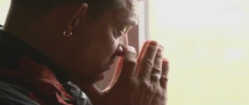
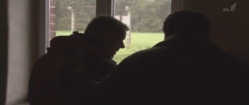
(Eldad silently pats Rainer's shoulder twice.)
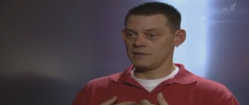
"How can I explain this sense of guilt? Even though I have no reason to feel guilty, I cannot cast it off. Of course I am also ashamed of what my family, my grandfather, did to thousands of other families. I ask myself: those people had to die, yet I am alive. Why? Is it to suffer under this burden of guilt? Sometimes that seems to be my only reason for existing. To do what my grandfather failed to do. Not to make amends, but to do what he should have done. How can I put it...?"
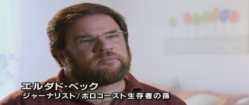
Eldad Beck (journalist/grandson of a Holocaust survivor): "I think we Jews have generously accepted the postwar process of destruction, because we needed to. The Holocaust was unimaginably horrific... and the fact is that even today it threatens every one of us. The Holocaust has not disappeared from the world. We all want to find a happy ending to this story. Those students spoke with the camp commandant's grandson, accepted his apology, and tried to find a connection. That lets them go on with their lives. They met Rainer—and it was a happy ending. But this is one of very few examples. Usually there is no ending. The Holocaust has no end."