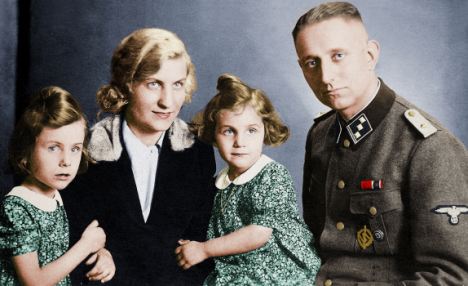
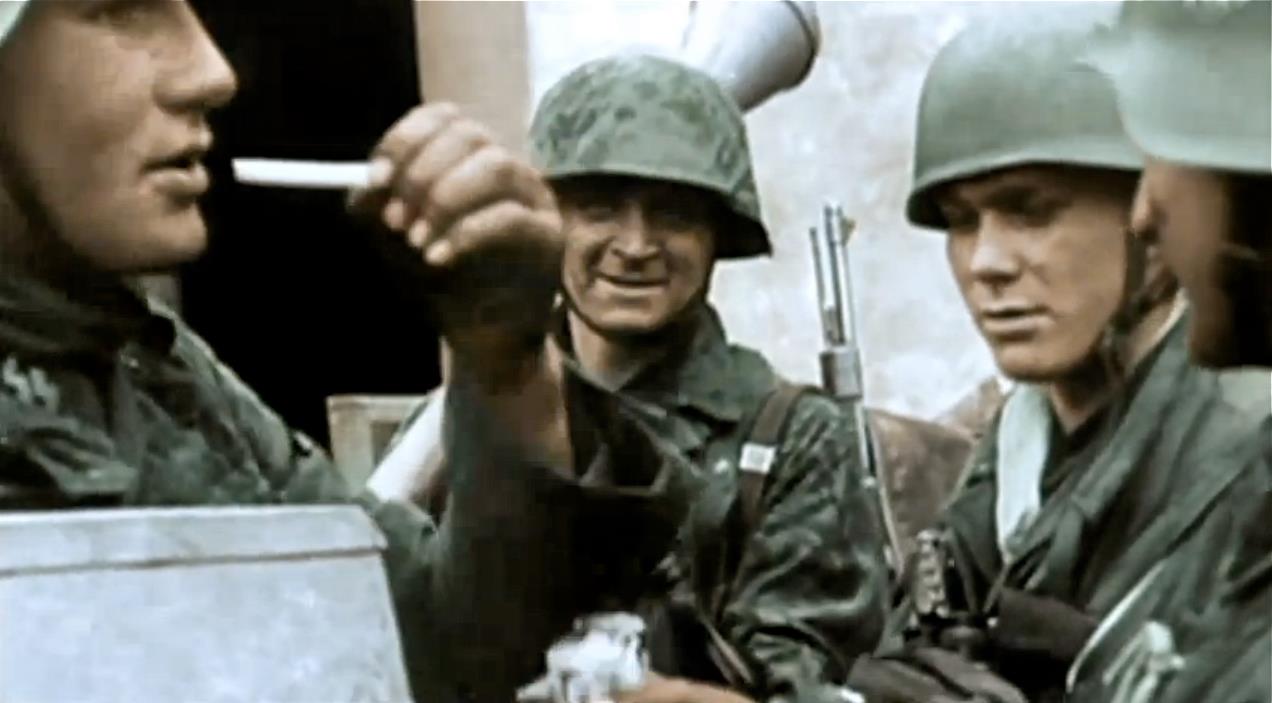

Josef Mengele
The Angel of Death
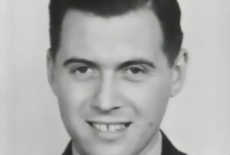
“He was elegant. He always wore white gloves and was handsome. His face was not particularly distinctive, but his skin was smooth, and he had unforgettable eyes.”
'My guinea pigs'—that was what Mengele called the children of Auschwitz. He treated them as nothing more than material for human experiments.
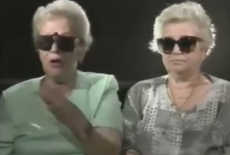
“He had no conscience. Mengele was no doctor. A doctor promises life. What he promised was death.” Former Auschwitz prisoners M. Sattler and V. Sattler [Magda and Vera Sattler]
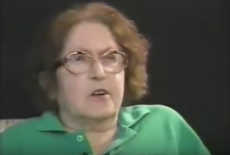
"He was a truly cruel man. A devil." Former Auschwitz prisoner V. Alexander [Vera Alexander]
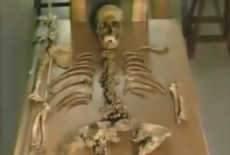
In January 1945, Mengele fled the scene of his crimes. In the end, he was never captured. But he could not escape the crimes he had committed. Throughout his life, he lived in fear that his pursuers would find him. Could these exhumed remains be those of Auschwitz’s Angel of Death?
[Josef Mengele: The Angel of Death]
Drawing Closer to Hitler
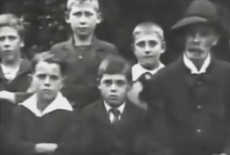
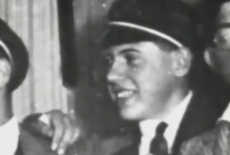
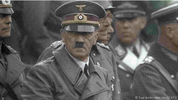
Josef Mengele was born in 1911 in Günzburg, a town in southern Germany. He was a polite child. His father manufactured agricultural machinery, and the family was wealthy. At this stage, he was simply a pleasure-loving young man.He spent much of his time in Günzburg's cafés and took no interest in political events. This man changed everything. Hitler became an object of worship for the Mengele family.
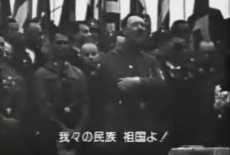
<Hitler: 'Our people, our fatherland!'>
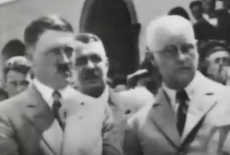
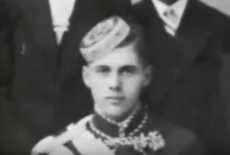
In a sense, it may have been natural for Mengele's father, a manufacturer of agricultural machinery, to support Hitler's promise of aid to farming. His son, however, approached the Nazis and Hitler from a different direction.Entering the University of Munich, Mengele dreamed of making his name in medical research. He embraced Hitler's racism in its scientific guise and specialized in anthropology. Its role was to provide scientific support for the racial prejudices at the heart of Nazi ideology.
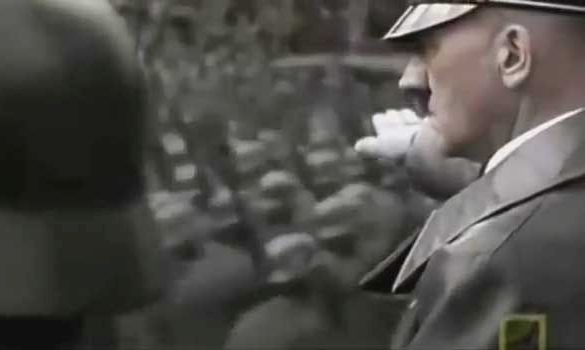
Hitler's voice: “The state does not rule us; we rule the state. The state did not create us; we create the state.”
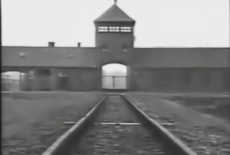
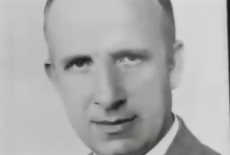
They also created hell on earth: Auschwitz concentration camp. It was here that Mengele's wish to become famous would be fulfilled. As assistant to the geneticist Professor von Verschuer, he worked to develop the medical concept of the Aryan.Professor Verschuer was obsessed with creating a superior race, superhumans. Mengele was this man's faithful disciple. The authorities decided racial purity—in other words, whether someone was Aryan or Jewish.
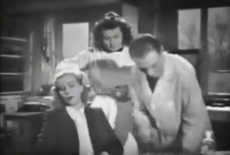
<Doctor: 'We will check your blood type.'>
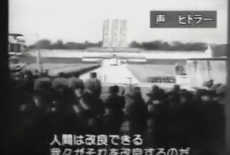
Doctors acted as assessors, and a form of selection had already begun. But the Final Solution—the mass murder of the Jews—had not yet started. The demand of the age was that people be able to adapt to society. Those who could not adapt, and those who carried such traits, were to be eliminated. It was doctors who carried this out. Doctors were obliged to create a master race.
Hitler's voice: “We ourselves know what we must improve. Human beings can be improved. We will improve them.”
Mengele wanted to advance quickly. To that end he joined the SS, the Nazis' terrifying organization under their direct control, the force that implemented Hitler's distorted ideas of selection.
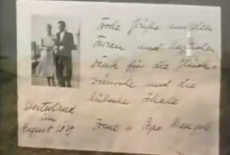
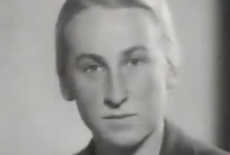
In 1939, Mengele needed SS approval to marry. The couple honeymooned on the island of Sylt.In letters from their travels, Josef Mengele and his wife Irene (pictured right) expressed thanks for their wedding gifts. Without the war, everything might have been different. Even later, Josef's wife said that he had always been a very kind man.
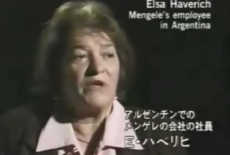
"He was very kind. Dr. Mengele was a well-bred, charming man. He always treated people properly and never became aggressive. Even when someone made a mistake at work, he did not get angry; he was very understanding." (E. Haverich [Elza Haverich], an employee of Mengele's company in Argentina)
In the Nazi era, there was no understanding of people with disabilities. In a society accepting only the strong and healthy, they became the first victims.
Inferior Genes
A film released in 1939 justified what was about to happen.
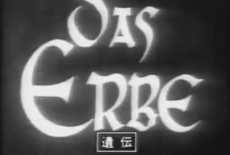
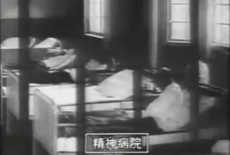
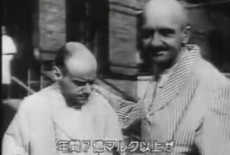
〈[Heredity] [Psychiatric hospital] ‘More than 700 million marks a year are spent on them.’〉
The animal world was invoked to justify eliminating the weak.
〈‘Conflict occurs even within the same species, and the weak are sacrificed.’〉
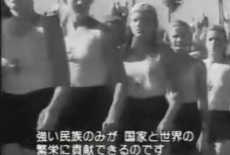
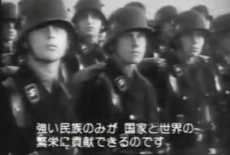
Brave and pure-blooded: such people were portrayed as the opposite of the so-called inferior races.
〈“Only a strong people can contribute to the prosperity of the nation and the world.”〉
In Germany, sterilization and abortion escalated into murder. It was called the elimination of life unworthy of living. Many doctors became executioners. Countless murders were committed. Medicine marched in step with the dictatorship. Doctors were no different from soldiers.
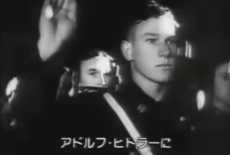
⟨“Oath: I pledge loyalty and courage to Adolf Hitler.”⟩ ⟨“I will obey until death.”⟩ Their oath was to a dictator. Their human conscience was lost.
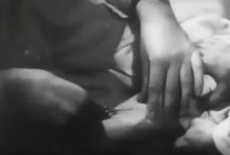
Once war began, all restraints ceased to function. Propaganda labeled certain peoples inferior races, and Nazi doctors began treating them as material for human experimentation.Experiments on people were conducted to find a treatment effective against typhus. Concentration camp prisoners were infected with the pathogen. Not one survived.
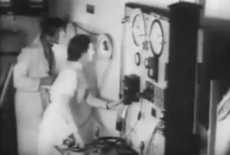
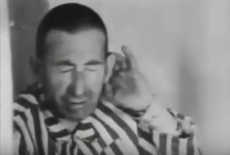
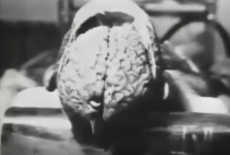
How does the human body react at extremely high altitudes? Human experiments were conducted to find out.Concentration camp prisoners were subjected to agonizing low-pressure experiments. They died gruesome deaths. Some were dissected alive.
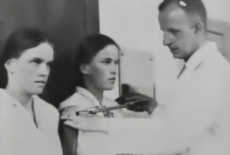
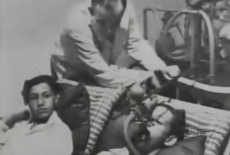
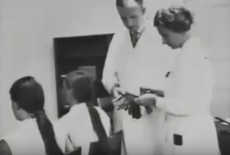
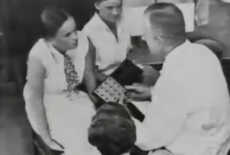
At the Kaiser Wilhelm Institute in Berlin, eugenics research was being conducted by the Nazis. These murderers in white coats were also present at the sites of mass murder. The Kaiser Wilhelm Institute was the center of research that exploited human bodies for medicine.Professor von Verschuer was trying to decipher the code of life using twins. Verschuer had an ambitious plan: to collect genes in order to create a superior race. For this, he needed children in particular.
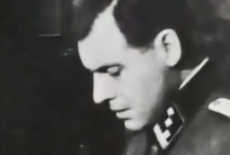
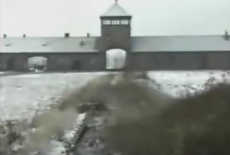
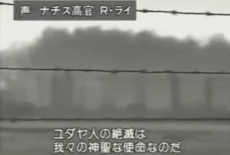
In the summer of 1942, Mengele returned to the Nazi SS. He experienced fighting on the Eastern Front. As an SS military doctor, he carried out selections every day, deciding which of the wounded could survive and which could not. This was not yet the Mengele who would later become notorious at Auschwitz.But on his mentor's recommendation, Mengele found an opening for advancement. Verschuer introduced him to a research paradise unlike any other in the world. Countless prisoners were sent there every day to serve as experimental subjects. In the Auschwitz camp there was no right to life, and no mercy. It was a factory of death. In May 1943, Mengele received orders transferring him to Auschwitz.
<[Voice of Nazi official R. Ley] 'Jews, bacteria, lice and fleas—I cannot understand why such vermin exist. Exterminating the Jews is our sacred mission.'>
Mengele Goes to Auschwitz
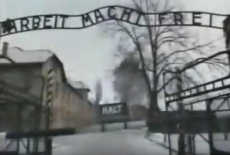
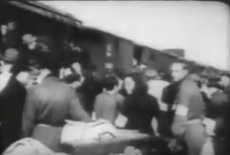
Mengele arrived at Auschwitz on May 30, 1943. Every day, thousands of people were sent there from all over Europe.
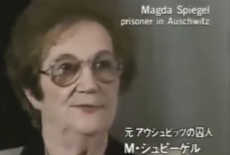
"Our whole family was together, but we did not know where we were being taken. We thought the adults would work somewhere and there would be a kindergarten for us children.That was how we imagined it. Nobody knew about Auschwitz. Day and night we traveled in freight cars. It was truly dreadful. There was no food, no toilet, nothing at all. There was nothing there." (Former Auschwitz prisoner M. Spiegel [Mgda Spiegel])
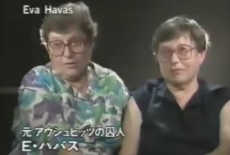
“We arrived at Auschwitz after three days in a freight car. It was night.” (Former Auschwitz prisoner E. Havas [Eva Havas])
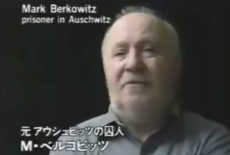
“Suddenly I saw a dazzling light. There was a great deal of noise. It was utter chaos.” (Former Auschwitz prisoner M. Berkowitz [Mark Berkowitz])
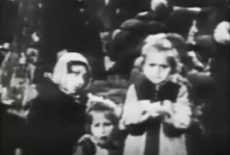
“It was two in the morning. As we got off the train, we heard shouting. We were divided into groups in no time: men to the right, old people and children to the left. The sorting was soon finished. Then I heard voices shouting, ‘Any twins? Twins!’” (Former Auschwitz prisoner M. Spiegel [Mgda Spiegel])
‘Twins, step out.’
“Hurry up, Jew.”
“Get out!” (Note: witnesses recall what happened at the time)
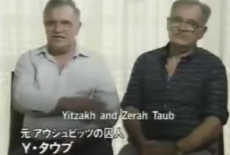
"We were all taken off the train and made to stand in long lines. The men were separated from the women and children. Mengele stood before us posing like Napoleon. He put the sturdy people in one line, to use them as labor. We children were of no use as workers, so we were put in another line with our mothers—the line for those who would be killed." (Former Auschwitz prisoner Y. Taub [Yitzakh and Zerah Taub])
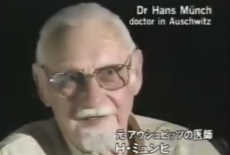
“I want you to understand this: every doctor at Auschwitz was placed in a situation where he had to decide, in a short time, whether thousands of people should go right or left. That was everyday life.” (Former Auschwitz doctor H. Münch [Dr Hans Munch])
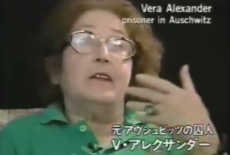
“He said nothing. He was quietly humming something like an operatic aria. It was as if he were conducting an orchestra. Right, left, right, left, right—that was how it went.” (Former Auschwitz prisoner V. Alexander [Vera Alexander])
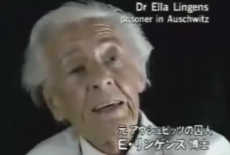
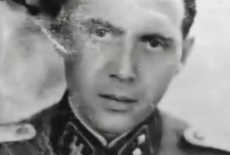
“He was a typical Nazi Party member. There was just one respect in which he differed from the others. The Nazis said Jews were degenerate and physically inferior. Mengele, however, thought that Germans and Jews were the superior peoples and that one or the other would rule the world.And what he wanted was for Germans to rule the world.” (Former Auschwitz prisoner Dr. E. Lingens [Dr Ella Lingens])
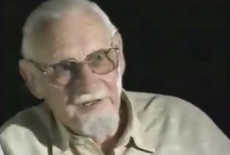
"He was wondering what his real duty was. Was it to do the job he had entered into—that is, exterminate the Jews—or was there something else he ought to consider?" (H. Münch [Dr Hans Munch], former Auschwitz doctor)
The Terror of Auschwitz's Prisoners
〈♪〉Mengele often hummed this melody in front of the twins.
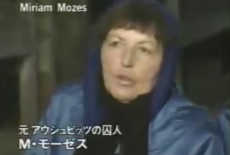
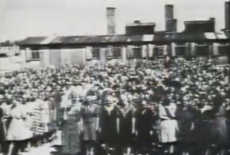
“A day at Auschwitz began with roll call. Every prisoner had to stand outside their barracks for hours. If anyone was missing, everyone had to keep standing there until that person was found. Sometimes bodies were brought in front of the barracks while we stood there. Afterward, we twin children were taken to the laboratory.” (Former Auschwitz prisoner M. Mozes) [Miriam Mozes]”
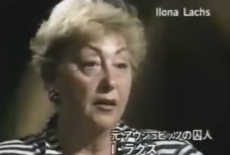
“At first, they simply compared us: our eyes, body size, noses, every part of our bodies. Everything visible was compared. This took hours and days. Then they performed experiments transferring blood from one twin to the other.” (Former Auschwitz prisoner I. Lachs [Ilona Lachs])
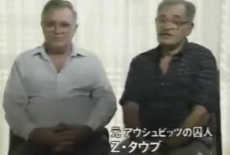
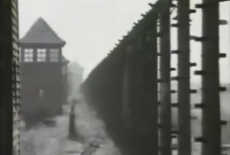
"I remember when blood was taken from several pairs of twins." "They drew huge quantities of blood for their vile experiments—so much it was as if all the blood in their bodies had been drained. Drained completely, they collapsed on the floor like empty plastic bags. After that they were simply killed, because they were no longer useful for experiments. I will never forget it as long as I live." (Former Auschwitz prisoners Y. Taub and Z. Taub)
Thousands of twins lived behind this barbed wire. Selected from the prisoners for experiments, they became Mengele’s possessions.
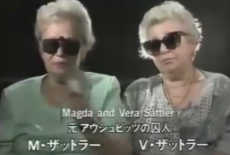
“Whether we lived or died depended on him. We were all terrified of him. Every time he came, we were scared to death, wondering what he intended to do to us: experiments, or the gas chamber?” (Former Auschwitz prisoners M. Sattler and V. Sattler [Magda and Vera Sattler])
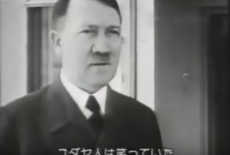
The true ruler of this empire of death was, of course, Hitler.
〈(Hitler’s voice) ‘The Jews were laughing. But now they can no longer laugh. They have realized the seriousness of the situation.’〉
Yet Hitler never saw the scenes of these crimes. He never heard of Mengele, but the Angel of Death was unquestionably his faithful subordinate.
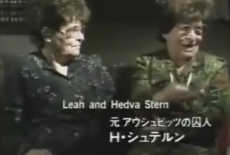
“We met Mengele a few days after arriving. He made a strong impression. He was tall and handsome. Every morning he came alone to the hut where we twins were housed.” (Former Auschwitz prisoner H. Stern [Leah and Hedva Stern])
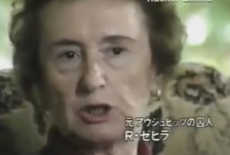
"Mengele was young and handsome, about thirty. He called himself the father of the twins. When someone asked him for something, he carefully wrote down the request. Often, that person would be taken away during the night afterward. They never returned." (R. Zehira [Rachel Zehira], former Auschwitz prisoner)
Human Experimentation
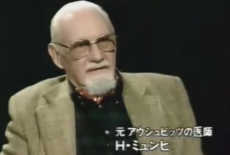
"Human beings, rather than rabbits, were used for experiments there, because they were available in unlimited numbers. No one criticized you for experimenting on humans. At Auschwitz, using human beings for scientific experiments was perfectly normal. In those days only the strong survived. The weak were supposed to be eliminated so that the strong could live." (Former Auschwitz doctor H. Münch [Dr Hans Munch])
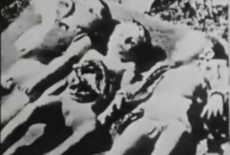
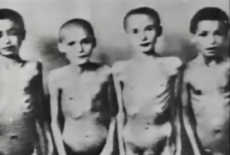
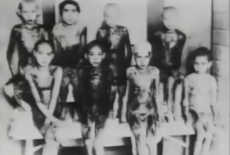
Mengele injected children with bacteria, opened their skulls, and removed their organs. He was determined to achieve results in his research on twins and become a professor at any cost. The children of Auschwitz called Mengele “Uncle.”
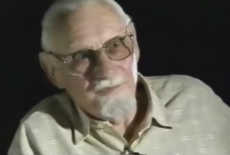
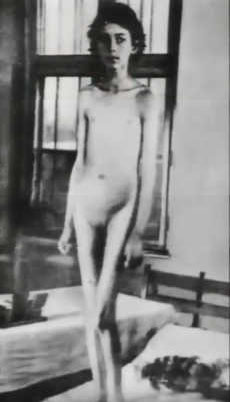
“His attitude toward the children was utterly incomprehensible to me. Sometimes he would take small children, especially girls, for cheerful drives around the camp in his car. Yet only a few days later, those children would be lying on the dissecting table. I could not understand such things. But for Mengele they were perfectly normal. I could no longer understand Mengele. I could not follow him in that aspect of his character.” (Former Auschwitz physician H. Münch [Dr Hans Munch])
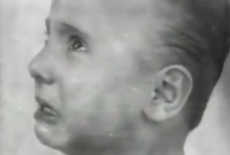
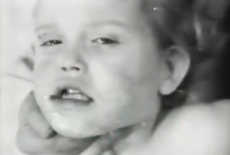
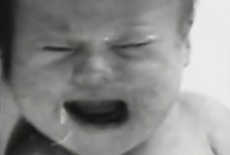
“One day Mengele took away the twins Dieter and Nina. One of the children had a hump on the back. He took the twins away and brought them back the next day, or perhaps two days later. It was horrifying. He had sewn the children together, back to back.Pus was pouring from their hands, blood vessels in various places, and wounds. The children could no longer even cry. They could only moan in misery.” (Former Auschwitz prisoner V. Alexander [Vera Alexander])
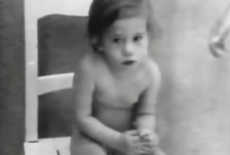
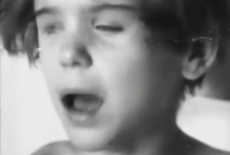
“Mengele took the twins to the ward and surgically made them into conjoined twins.” “He wanted to see whether the body would function. Two hearts in one body. Two sets of organs. It was monstrous.” “Three days later, the twins' parents suffocated them to release their children from their suffering.” (Former Auschwitz prisoners Y. Taub and Z. Taub)
Worsening Military Situation and Cover-up
Summer 1944. Hitler's soldiers had to continue the war to conceal the mass murder.
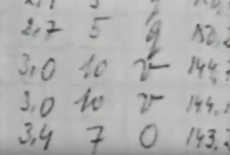
"It was September 1944. I happened to meet him on a road in the camp. He said, 'Hello, have I shown you my research results yet?' When I said no, he said, 'Then let me show you now.' There were neatly written papers and thick files. As I leafed through them, I kept wondering why he was showing them to me. He commented on each diagram, saying things like, 'Isn't this one good?' When we had finished, he said, 'Wouldn't it be a shame if all this fell into the hands of the Communists?'" (Dr. E. Lingens, former Auschwitz prisoner)
In January 1945, Soviet troops were approaching Auschwitz. The camp doctor had already begun packing his belongings.
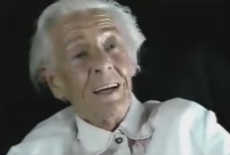
“Suddenly I realized why he had shown me the files: if I survived, he wanted me to testify that his research had been ordinary anthropology. He was already preparing for that. He must have known the war would be lost.” (Former Auschwitz prisoner Dr. E. Lingens)
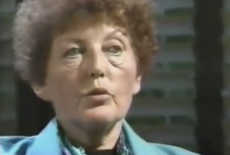
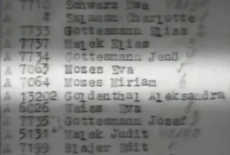
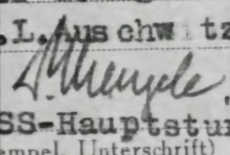
“I think Mengele had run out of time—time to complete his experiments. So he intended to kill all the twins in the gas chambers, because they were evidence of his crimes. One day they took us to a gas chamber. They made us undress there. But after about ten minutes they told us we could go outside.They had run out of the poison gas Zyklon B. That was why they could not kill us. In the Auschwitz museum there is a list written by Mengele. It gives the names of twins killed with poison gas, and in fact my younger sister Eva's name and mine are on it. It is astonishing that we survived.” (Miriam Mozes)
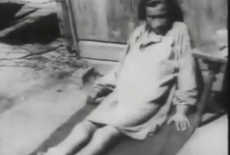
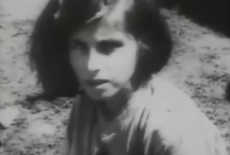
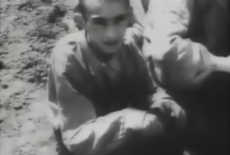
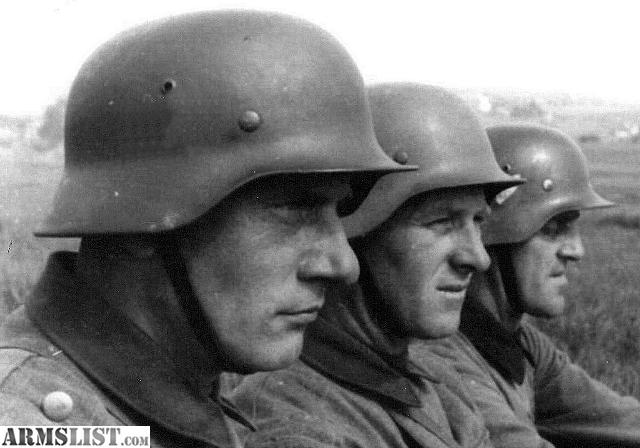
On January 17, 1945, Nazi SS Captain Josef Mengele left Auschwitz. He took all his research records on twins with him. The prisoners were liberated. Of 3,000 twins, 180 survived. But they would be tormented by those memories for the rest of their lives.
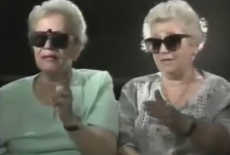
“Mengele has haunted us all our lives like an evil ghost. Our illnesses are his fault. Everything is his fault.” (Former Auschwitz prisoners M. Sattler and V. Sattler [Magda and Vera Sattler])
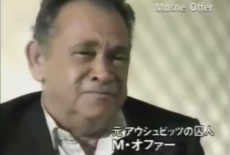
“I was injected with poison there. For a long time, I did not realize that was why I was unwell. Tests showed that two-thirds of my body was impaired. Sometimes I cannot stop shaking. I have seizures occasionally too. What a life.” (Former Auschwitz prisoner M. Offer [Mosne Offer])
Mengele's Escape
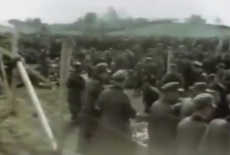
The nightmare was over. Yet the Auschwitz criminal Mengele escaped by posing as a Wehrmacht soldier. He had changed out of his SS uniform. The situation was beyond even the Americans' control. How did they identify Nazi war criminals?
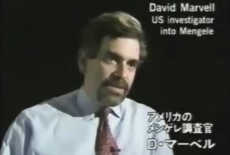
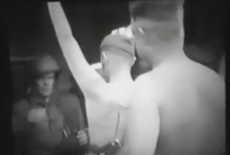
"The Allied forces, especially the Americans, used a simple but effective way of identifying SS men. SS members had their blood group tattooed on their arm in case they were wounded in battle. Making them take off their shirts and raise their arms identified them. But Mengele had no tattoo, so he escaped identification by this method." (American Mengele investigator D. Marvell [David Marvell])
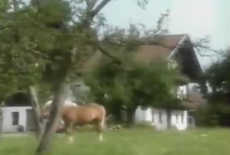
Mengele first hid in Mangolding, a small village in southern Germany. He worked as a live-in farmhand there, calling himself Fritz Hollmann.
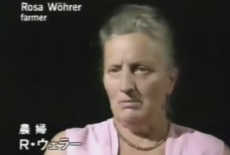
“I thought he was looking for work after the war, and that he probably had nowhere to go back to. Then he found a place to settle here.” (Farmer R. Wöhrer [Rosa Wohrer])
Mengele cleaned animal sheds and sorted potatoes. He slept here. From a place of safety, the Angel of Death watched the Nuremberg trials unfold. What sentence would he have received had he been arrested?
"There is no doubt. A death sentence." (D. Marvell [David Marvell], American investigator of Mengele)
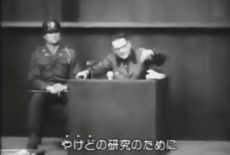
At the end of 1946, his colleagues were put on trial: murderers in white coats.
“To study burns, we conducted experiments using the method that would cause the fewest casualties. I am convinced of that.” (Himmler's personal physician K. Gebhardt)
“Had Josef Mengele been arrested, he would have become the symbol of the Doctors' Trial at Nuremberg. The likely reason that did not happen is that the prosecution was convinced he was already dead.” (American Mengele investigator D. Marvell [David Marvell])
To South America
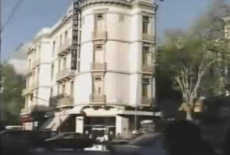
In September 1949, he left Europe for Argentina in South America. Even after successfully making people believe he was dead, Mengele could not feel safe. Adopting the name Helmut Gregor, he tried to bury his past in a new land. The Palermo Hotel in Buenos Aires became the first home of the war criminal who was believed to be dead.
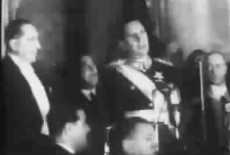
Argentina was an ideal hiding place. Its dictator Perón admired the Nazis, and a network of former Nazis had been established in Buenos Aires.
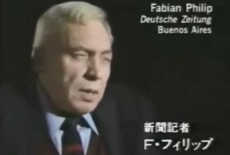
“First, you have to understand that human rights and morality played no part at the time. If you came to this country then with money, you could obtain the freedom you needed. He became free and should have had nothing to worry about.” (Journalist F. Philip [Fabian Philip])
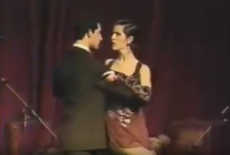
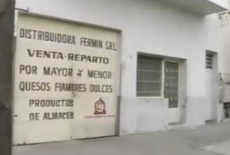
He could buy freedom. But he could not buy peace of mind. He tried to numb his anxiety by escaping into entertainment. Yet the old memories remained. Eight years had passed since Auschwitz. With his family's help, Mengele even became a joint owner of a pharmaceutical company.But he lived in constant fear of arrest.
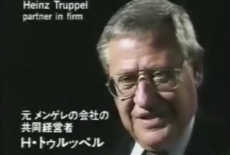
“One evening I went to his house. His nerves were shattered. At every little noise he looked around anxiously. What stayed with me was that he never talked about his past. Every morning he was exhausted. I cannot forget how often he fell asleep slumped over his desk.” (Former business partner in Mengele's company H. Truppel [Heinz Truppel])
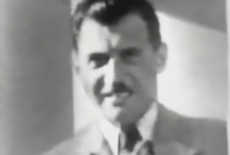
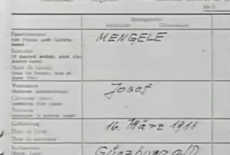
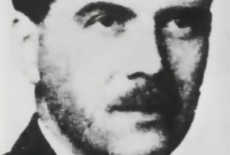
In 1956, a letter from Germany reached Mengele, who was calling himself Helmut Gregor. His wife Irene wanted a divorce. Mengele went to the West German embassy and signed the divorce papers in his real name. He was tired of concealing his identity.He also applied for a West German passport under his real name. The procedure went ahead quite normally.
This passport photograph is the only official document showing the Angel of Death after the Second World War. The name Helmut Gregor also disappeared from the telephone directory, replaced by Mengele’s name.
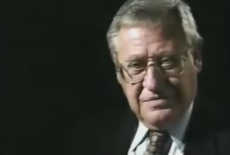
In 1958, thirteen years after Auschwitz, a group consisting mainly of Auschwitz survivors, convinced the killer in a white coat was alive, filed accusations against Mengele.
“He received a warning from Germany: Be careful, they are looking for you.” (H. Truppel [Heinz Truppel], former co-owner of Mengele's company)
Mossad Closes In
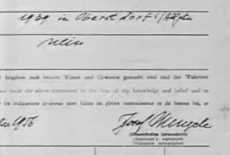
In 1959, an international arrest warrant was finally issued, and Israel's secret intelligence service, Mossad, began its own investigation of Mengele. His passport application showed he had been hiding in Argentina. Subsequently, the Nazi war criminal Eichmann was captured.
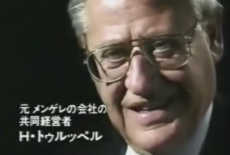
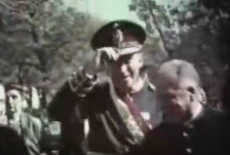
"He immediately packed his bags and left. You're going to ask where? North." "(Interviewer) Paraguay?" "Yes." (Former partner in Mengele's company, H. Truppel [Heinz Truppel])
Paraguay’s German-born dictator granted Mengele citizenship.
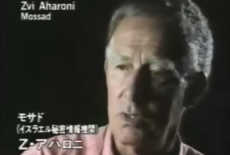
"For at least a year, I searched for him in South America—in Montevideo, Chile and Paraguay. Eventually, information from a former SS member led me to his trail in Brazil. But then, suddenly, we were all recalled for other assignments." (Z. Aharoni, Mossad, Israel's secret intelligence service)
Mossad was closing in on him. In the end, however, Mengele escaped arrest. His new refuge was Serra Negra, Brazil. An Austrian named Wolfgang Gerhard helped him escape. He also arranged a hiding place for Mengele.He tried to suppress his anxiety by singing.
(Mengele's voice): “The Prater is full of flowers again; the vines in Sievering have blossomed. O happy dreams, spring has come again.”
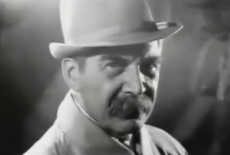
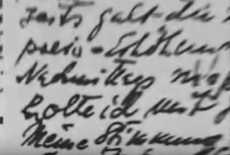
But the oppressive memories of the past continued to torment him. His diary for June 18, 1968: “I cannot settle down at all. I am anxious.”
Uncle Josef
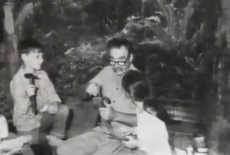
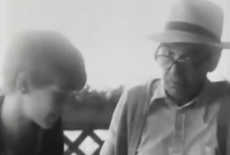
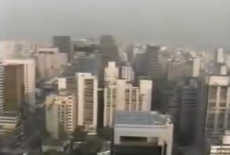
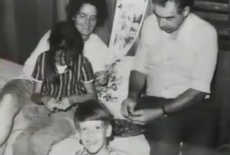
In 1969, Mengele moved to São Paulo. The Ossert family became his last friends. Uncle Josef liked playing with the children. “Uncle” was what Mengele had also made the Auschwitz twins call him.
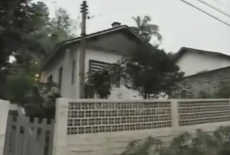
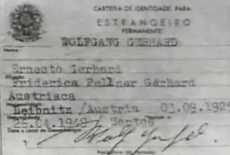
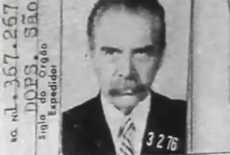
He changed his address once again. This would be his last move. He called himself Wolfgang Gerhard, having received a passport from Gerhard, his protector.Mengele, once Hitler's faithful subordinate, had reached retirement age.
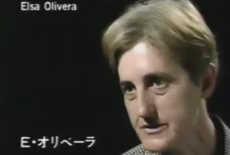
She was Mengele's last lover, twenty-five at the time.
"No one ever loved me as much as he did. He was my lover and my true friend. He was the most important person in my life. He always cared for me and showered me with affection." (E. Olivera [Elza Olivera])
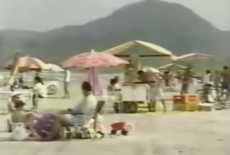
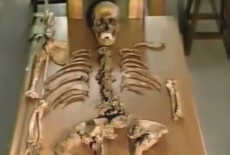
The search for the Angel of Death continued, but meanwhile Mengele was enjoying a weekend on the coast near São Paulo. February 7, 1979: Mengele died after suffering a seizure while swimming in the sea.
In 1985, remains were exhumed and identified as Mengele's. He had evaded capture and escaped punishment in court. But he suffered the punishment of fearing arrest until his death. ≪End≫Read other articles