
The Nazi Waffen-SS
○○


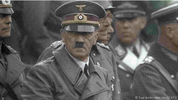
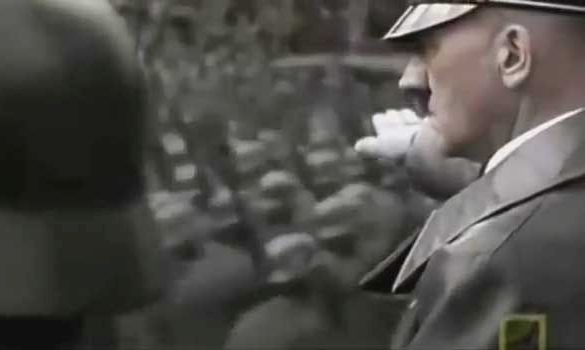
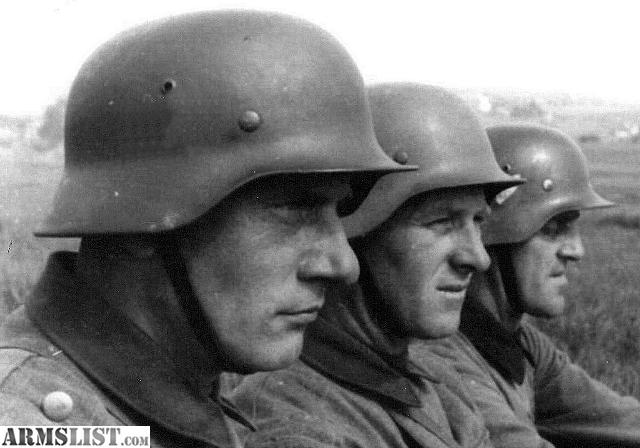
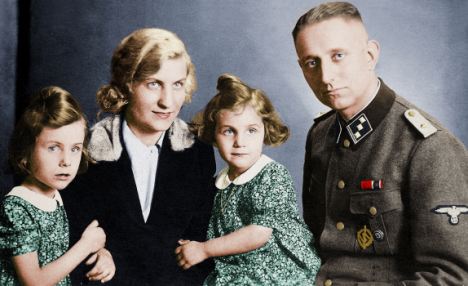
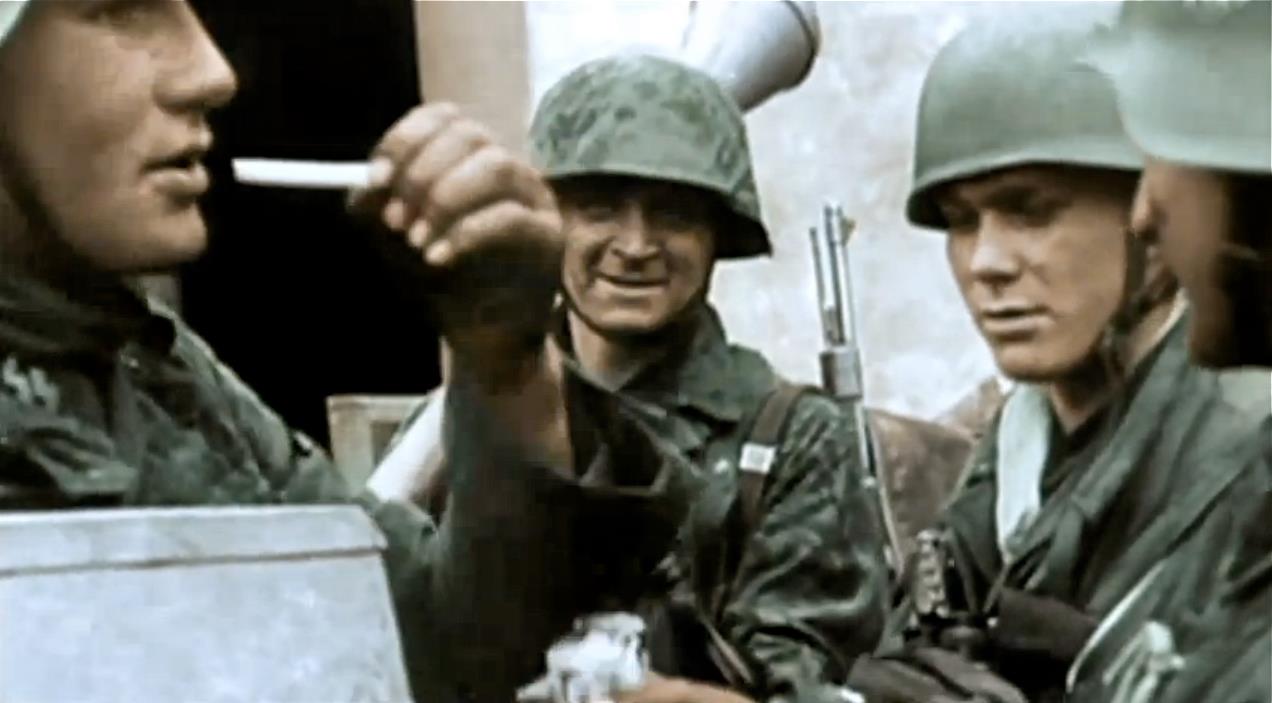
May 1940. German troops head west. Hitler's aim is to crush France. Alongside the Wehrmacht are the Waffen-SS, the armed Nazi SS. They are Hitler's political soldiers.

Our guiding principles were duty, loyalty, honor, homeland, and comradeship.
Were they soldiers no different from any others?

They showed no mercy to men, women, or children. Whatever was in front of their gun barrels, they killed it all.

They were prepared to be killed someday, and possessed a cruelty that made them unhesitating killers.


The Waffen-SS were regarded as warriors with a global outlook and the elite of Hitler's empire. It was an appealing image.

First, after serving as an officer in the Hitler Youth, joining the SS was natural. Second, my ancestors had served in the Guards Division for generations. So it was obvious that I would want to join the bodyguard regiment.


Hitler’s bodyguard, the Leibstandarte Adolf Hitler, became a central component of the Waffen-SS. Admission to this unit was an honor.


When my acceptance notice arrived, I was so happy that I ran all over town. There had been eighty volunteers, and only a few could get in. The others might enlist, but they could not join the Waffen-SS.


The Waffen-SS promised the best prospects for promotion and was regarded as a secure career. Kurt Sametreiter joined after becoming unemployed.

One day I asked my father: I'm thinking of joining the SS. What do you think? After four years' apprenticeship I can qualify as a civil servant. My father objected: What an idea! He probably understood the bigger picture better than I did. After an argument, I insisted on having my way. I left home, telling him I would return in four years.


But the SS was not a place to qualify for civil service. Himmler wanted a powerful army sworn to absolute loyalty. It was intended to fight enemies within as well as outside. The Waffen-SS went to the front under German military command. Ordinary soldiers viewed this Nazi Party army with suspicion.

Hitler and his associates had repeatedly assured the national army that it was the sole armed force representing the German state. Now another army was taking shape, and it was clear that there would be a struggle for power with the Wehrmacht.
At this stage, the Waffen-SS was not a major military force. Yet by 1940 it had already begun a kind of religious war.


We often encountered the Adolf Hitler bodyguard regiment and large numbers of SS men. They always left signs for the rest of their troops to recognize, so we in the Wehrmacht knew exactly who had been there before us. They destroyed every cross in Catholic France. At the time we did not recognize their aggressive paganism.


Their religion was blood and soil, part of Hitler's delusional racist creed. They declared war on everyone but themselves.

The SS man who later became a priest recalls:

One day a high-ranking official came from Berlin to speak to us. What he said was astounding, but we were forbidden to repeat it. It was top secret. Victory would be complete only when every church had been destroyed; not just Judaism but Christian faith must also be eliminated; Christ was the illegitimate child of a Jewish woman. That was the official view of Christ.