
Katrin Himmler
Katrin Himmler—granddaughter of the younger brother of Nazi SS chief Himmler
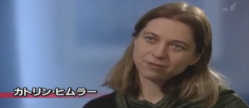
"Having someone like that in your family is a tremendous burden. This name has worn down my nerves. Nothing good has come of it. If I had to name anything, it would be that Heinrich Himmler's presence was so overwhelming that there was no time to worry about anything else. There were other committed Nazis in the family. But beside the monstrous Heinrich, they seemed insignificant. So no one mentioned the other relatives or asked about them."
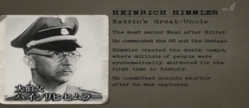
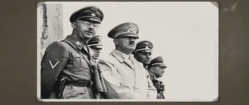
Heinrich Himmler, the elder brother of Katrin's grandfather, was an early Nazi Party member. He commanded the SS and Gestapo, established concentration camps for Jews, and murdered millions. After Germany's surrender, he killed himself following his capture.
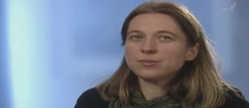
“It was still all right when I was in Germany. But when I traveled abroad, I felt terribly anxious and uncomfortable. If people mistook me for Dutch or Swedish... I was happy. What mattered was that no one realized I was German. I studied foreign languages very hard so that my German accent would be undetectable. That was important to me.”

"I have never feared that I might have inherited something, or that Heinrich Himmler's monstrous blood might run in my veins. To say that would endorse the absurd Nazi ideology that everything is determined by ancestry. I do not believe such nonsense. I see no reason even to think about it."
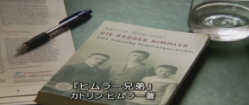

(Pictured right: The Himmler Brothers by Katrin Himmler) "Some relatives see me as the person who disturbed the family's peace. It is certainly unusual, in a sense: I married an Israeli Jewfrom a family that survived the Holocaust. I am sad that ties with some relatives have been severed. It hurts to know that some people feel bitter about me. Facing that is painful."
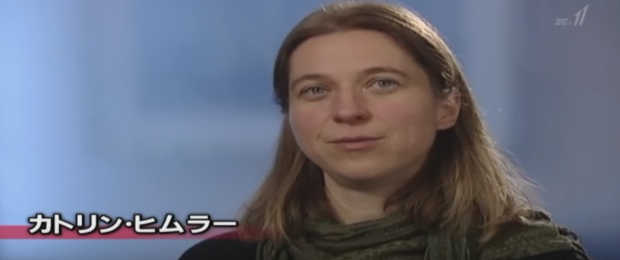
"There is something I do not understand. When following your conscience leads you to discover your parents' crimes, how should you deal with them? Is it still possible to love them? Where do you draw the line?
People who committed crimes as grave as Himmler’s. People whose guilt was somewhat less. And people even more deeply involved in crimes than Himmler. The boundaries are very blurred and cannot easily be defined. I have repeatedly asked myself: how guilty could such parents be and still be loved? Where is the limit? It is a very difficult question. And in reality, each person arrives at a different answer.
I think most children of Nazi war criminals struggle to find a balance. Most choose to sever ties with their parents so they can live their own lives. Others decide to remain loyal and give their parents unconditional love, resolving to accept no negative facts whatsoever.’